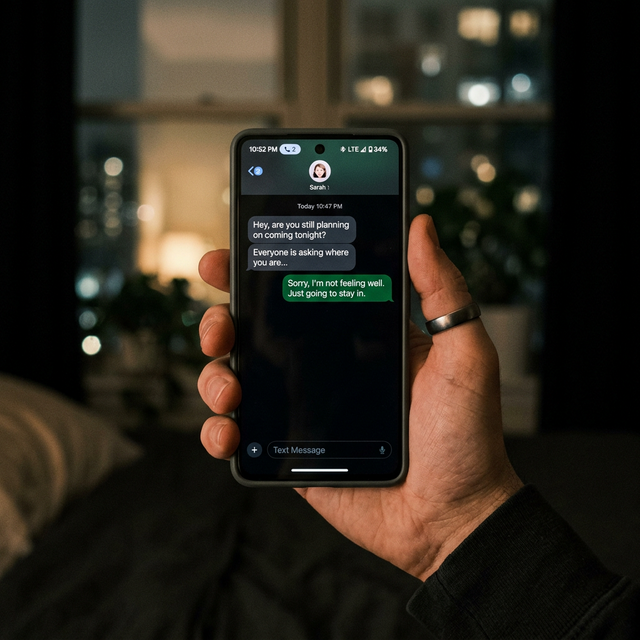
Picture this: dinner is getting cold, but your teenager is still scrolling through Instagram. You've asked them twice to put their phone away, but the pull of the screen is too strong. As a digital parenting consultant with ten years of experience, I've seen this scenario play out in countless households. What if you could push a button on your own phone and instantly secure your child's device, no matter where they are in the house?
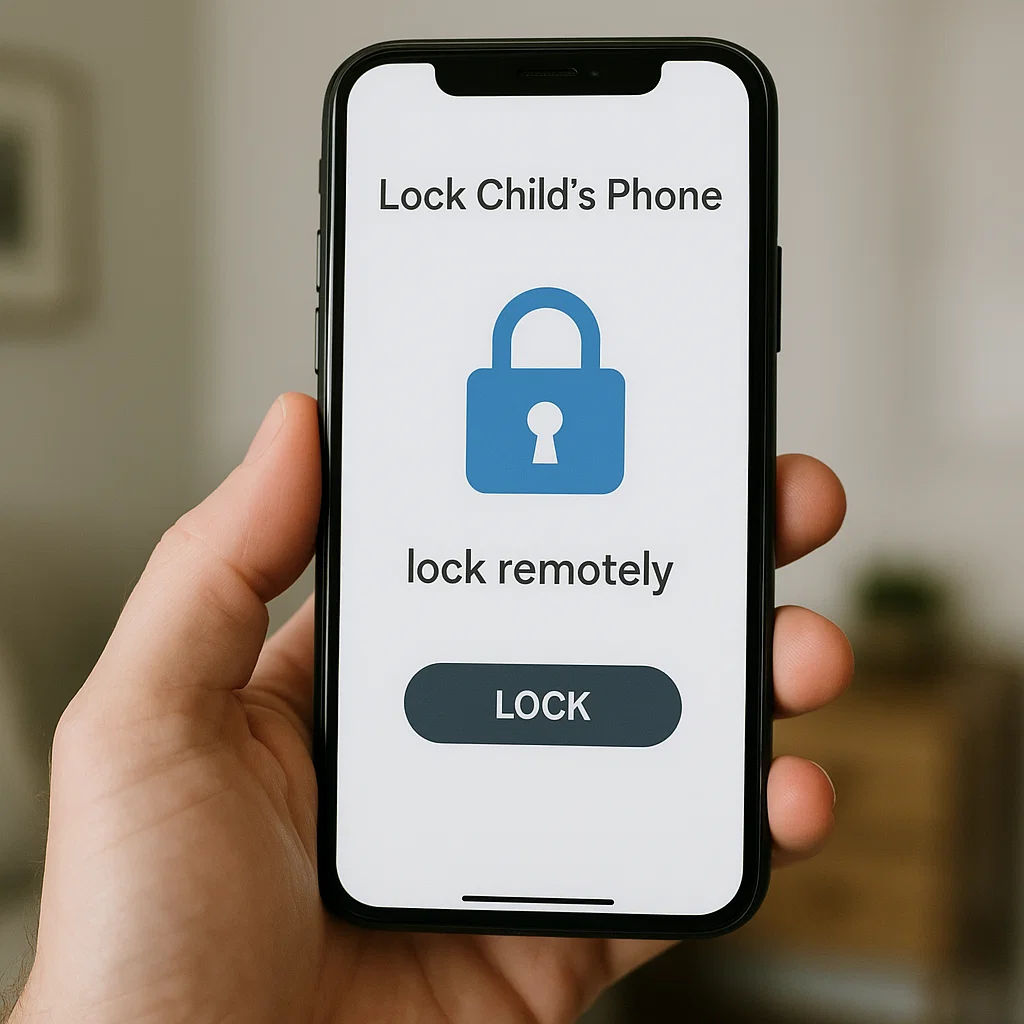
The ability to lock a child's phone remotely is one of the most powerful tools in a modern parent's arsenal. It's not about being controlling—it's about establishing healthy boundaries in a world of constant digital distraction. This comprehensive guide will walk you through every method, from simple built-in features to sophisticated parental control apps that give you complete command over your child's screen time.
Why Remote Phone Locking is a Game-Changer for Families
The average teenager spends nearly 8 hours per day on screens for entertainment alone, according to Common Sense Media. This constant access can interfere with homework, family time, and crucially, sleep. The ability to lock a child's phone remotely transforms the dynamic from nagging to effective boundary-setting.
This technology serves multiple purposes:
Instant boundary enforcement during meals, homework, and family activities
Automated scheduling for bedtime and study hours
Emergency control in dangerous or inappropriate situations
Consistent enforcement without constant supervision
Remote locking isn't about spying—it's about creating the digital equivalent of a bedtime curfew or homework hour. It's a tool that helps children develop healthy digital habits when they lack the self-regulation skills to do it themselves.
Method 1: Using Built-in Phone Features (Free Solutions)
Your first line of defense is already on the device. Both major operating systems offer free tools that can help you understand how to lock a child's phone remotely.
For Android Users: Google Family Link
Google's Family Link provides robust remote control features for Android devices:
Setup Process:
Download Google Family Link on your phone (the parent device)
Install Family Link on your child's Android phone
Follow the pairing process to link the accounts
Set up appropriate restrictions and schedules
Remote Locking Features:
Bedtime Mode: Automatically locks the device during specified hours
Screen Time Limits: Set daily usage limits that lock the phone when exceeded
Manual Lock: Instantly lock the device from your parent app
App-Specific Limits: Restrict time on specific applications
Limitations: Family Link requires your child to have an Android device, and some features vary by device manufacturer and Android version.
For iPhone Users: Apple Screen Time
Apple's ecosystem offers similar functionality through Screen Time:
Setup Process:
On your child's iPhone, go to Settings > Screen Time
Tap "Turn On Screen Time" and select "This is My Child's iPhone"
Set up Content & Privacy Restrictions with a secure passcode
Remote Control Features:
Downtime: Schedule periods where only allowed apps and phone calls are available
App Limits: Set time limits for app categories
Communication Limits: Restrict who your child can communicate with
Important Note: While you can manage these settings from a family member's device through Family Sharing, true real-time remote locking from any location requires third-party apps.
Understanding the Limitations of Built-in Tools
While free built-in tools are a great starting point, they have significant limitations:
Limited true remote access: Most require pre-set schedules rather than instant locking
Cross-platform challenges: Difficult to manage if your family uses both Android and iOS
Easily bypassed: Tech-savvy children can find workarounds
No real-time alerts: You won't know if your child is trying to bypass restrictions
This is where dedicated parental control applications fill the gaps and provide truly comprehensive remote management.
Method 2: Dedicated Parental Control Apps for Maximum Control
For parents who need robust, reliable remote locking capabilities, third-party applications offer the most powerful solution. These apps are specifically designed to provide instant remote control and are much more difficult for children to bypass.
Let's examine three top-tier solutions for parents learning how to lock a child's phone remotely.
mSpy: The Comprehensive Monitoring and Control Solution
When parents need the most powerful remote control capabilities, mSpy stands out as an industry leader with robust locking features.

Key Remote Locking Features:
Instant Remote Lock: Lock the device immediately with a single click from your dashboard
Custom Scheduling: Create detailed lock schedules for school hours, bedtime, and family time
App-Specific Blocking: Remotely block specific apps while keeping essential functions available
Usage-Based Locking: Automatically lock the device when usage limits are reached
Additional Benefits:
Real-time location tracking
Cross-platform compatibility
Tamper-resistant design
Who it's for: Parents who need enterprise-level control and monitoring capabilities with reliable remote locking features.
Moniterro: The User-Friendly Remote Management Solution
Moniterro provides an excellent balance of powerful features and user-friendly design, making remote phone management accessible to all parents.

Key Remote Locking Features:
One-Tap Lock: Immediately secure the device from your parent portal
Flexible Scheduling: Create custom lock schedules that fit your family's routine
Quick Presets: Use pre-configured locking patterns for homework, meals, and bedtime
Override Options: Temporarily unlock for special circumstances
Additional Benefits:
Intuitive dashboard and mobile app
Screen time reporting
Web filtering capabilities
Affordable pricing tiers
Who it's for: Parents who want reliable remote locking without technical complexity or overwhelming features.
Scannero: The Budget-Friendly Remote Control Option
Scannero offers essential remote locking capabilities at an accessible price point, making it ideal for budget-conscious families.

Key Remote Locking Features:
Basic Remote Lock: Fundamental device locking functionality
Schedule Setup: Ability to create basic locking schedules
Emergency Lock: Instant locking in urgent situations
Time-Based Access: Restrict device use to certain hours
Additional Benefits:
Cost-effective solution
Simple setup process
Location tracking features
Reliable performance
Who it's for: Families who need basic remote locking functionality without advanced monitoring features.
Creating an Effective Remote Locking Strategy
Technology alone isn't the solution—it's how you use it that matters. Here's how to implement remote locking effectively:
Establish Clear Rules and Expectations
Explain to your child why remote locking is necessary
Set clear guidelines about when and why their phone might be locked
Involve them in setting reasonable schedules and limits
Use Locking Scenarios That Actually Work
Homework Hours: Lock everything except educational apps
Family Time: Complete device locking during meals and activities
Bedtime: Schedule automatic locking 30-60 minutes before sleep
School Hours: Restrict non-educational apps during school time
Balance Control with Trust
Use instant locking sparingly for emphasis
Rely more on pre-set schedules than surprise locking
Gradually reduce restrictions as your child demonstrates responsibility
Always explain the reason behind locking decisions
Advanced Remote Locking Techniques
Once you've mastered basic remote locking, consider these advanced strategies:
Geofenced Locking
Some premium apps allow you to automatically lock devices when your child enters specific locations (like school) or leaves safe areas.
Usage-Triggered Locking
Set up automatic locking when your child exceeds reasonable usage thresholds or accesses inappropriate content.
Emergency Locking Protocols
Establish family protocols for immediate remote locking in dangerous situations or when children violate serious safety rules.
Troubleshooting Common Remote Locking Issues
Even with the best tools, you might encounter challenges:
Problem: Child bypasses locking
Solution: Use tamper-resistant apps like mSpy that prevent unauthorized removal and provide tamper alerts.
Problem: Locking interferes with emergencies
Solution: Ensure emergency calls are always available, and establish alternative communication methods.
Problem: Resistance and arguments
Solution: Maintain consistent rules and use locking as a tool for habit-building, not punishment.
The Bigger Picture: Teaching Digital Self-Regulation
While knowing how to lock a child's phone remotely is valuable, the ultimate goal is teaching children to manage their own screen time. Use remote locking as a training tool, not a permanent solution.
Gradually extend trust as your child demonstrates responsibility
Have regular conversations about digital wellness
Model healthy device habits yourself
Use locked time for connection and alternative activities
Conclusion
The ability to lock a child's phone remotely is no longer a luxury—it's an essential parenting skill in our hyper-connected world. Whether you start with free built-in tools or invest in a comprehensive solution like mSpy, Moniterro, or Scannero, you now have the knowledge to take control of your family's digital environment.
Remember: This isn't about restriction for its own sake. It's about creating space for what truly matters—connection, learning, and real-world experiences. By implementing these strategies, you're not just limiting screen time; you're opening the door to richer family interactions and healthier digital habits that will serve your children for life.
Frequently Asked Questions (FAQs)
1. Is it legal to remotely lock my child's phone?
Yes, it is generally legal for parents to monitor and control devices used by their minor children. As the parent and typically the owner of the device, you have both the legal right and responsibility to ensure your child's safety online. Parental control apps are specifically designed for this legal purpose.
2. Can my child bypass the remote locking?
Basic built-in controls can sometimes be bypassed by tech-savvy children. However, dedicated parental control apps like mSpy are specifically designed to be tamper-resistant. They use advanced methods to prevent deletion and will alert you if someone tries to remove them from the device.
3. Will remote locking work if the phone is offline or out of battery?
Most remote locking features require an active internet connection to receive the lock command. However, once the command is received, the locking mechanism will typically work even if the device goes offline. If the phone is completely turned off or has a dead battery, you'll need to wait until it's powered back on and connected to the internet for new commands to take effect.