It’s a familiar scene for many parents: dinner is on the table, but your child is glued to their phone, lost in a video game or social media feed. You’ve asked them to put it away, but the pull of the digital world is strong. Or perhaps it's late on a school night, and you see the glow from under their bedroom door. In our hyper-connected world, managing a child's screen time requires more than just verbal reminders; it requires concrete tools. As a child safety advocate with ten years of experience navigating the complexities of digital parenting, I hear one question more than any other: "How can I lock my child's phone remotely?"
The good news is that you can, and it’s easier than you might think. This comprehensive guide is designed to give you back control. We will explore the built-in options on both iOS and Android devices and then dive into powerful third-party applications that offer unparalleled remote management. You will learn not only how to implement these tools but also how to use them to foster healthy digital habits and open communication with your child.
Why Remote Phone Locking is a Modern Parenting Essential
The ability to lock my child's phone remotely is not about being overly controlling; it's about providing structure and safety in an unstructured digital environment. It serves several critical purposes:
Enforcing Boundaries: It translates family rules into action. When screen time is over, it's truly over, preventing negotiations and arguments.
Promoting Healthy Habits: It ensures that phones don't interfere with sleep, homework, or family time by allowing you to enforce "digital curfews."
Ensuring Safety: In emergencies or when you need your child's immediate attention, the ability to temporarily lock the device can be crucial.
Peace of Mind: Knowing you can intervene from anywhere—whether you're in the next room or at the office—provides a significant layer of reassurance.
Your First Step: Built-in Phone Features
Before investing in specialized software, it's important to understand the tools already at your disposal. Both major mobile operating systems have developed robust parental control features.
Using Apple's Screen Time for iOS
For iPhones, Apple's Screen Time is your foundational tool. To set up remote management, you will use Family Sharing.
Set up Family Sharing on your device and add your child as a family member.
Go to Settings > Screen Time and tap your child's name under the "Family" section.
Tap Downtime to schedule periods where only phone calls and apps you explicitly allow are permitted (e.g., from 9 PM to 7 AM).
Tap App Limits to set daily time limits for specific app categories, like Games or Social Networking.
Most importantly, create a Screen Time Passcode that is different from your child's phone passcode. This prevents them from extending time or changing settings.
While you can't instantly "brick" the phone from your own device, you can manage these settings remotely through the Family Sharing settings on your iPhone, effectively controlling its functionality.
Using Google Family Link for Android
For Android devices, Google's Family Link app is the equivalent built-in solution.
Download the Google Family Link app on your phone and your child's phone.
Follow the in-app instructions to link the devices.
From the Family Link app on your phone, you can select your child's device.
Tap Set up under "Daily limit" to set a hard cutoff for overall device use.
Tap on Bedtime to completely lock the device during specified hours.
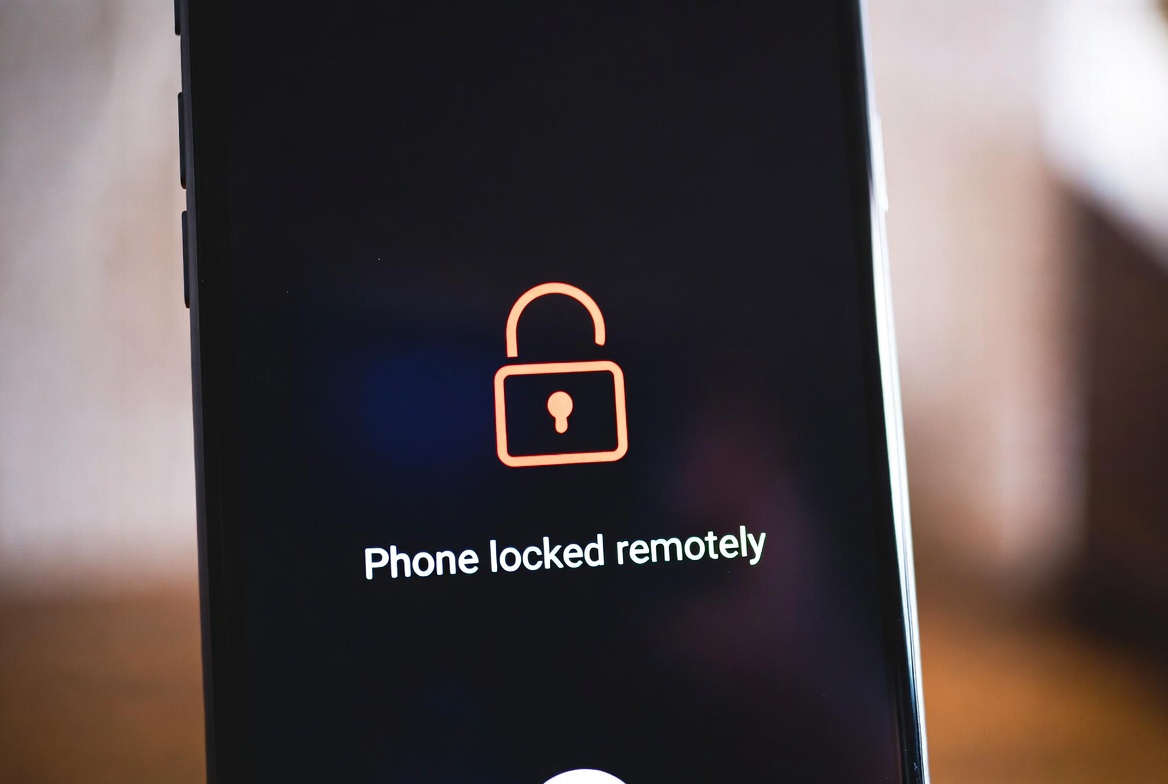
A key feature is the "Lock device" button, which allows you to instantly lock my child's phone remotely outside of the scheduled times with a single tap.
The Limitations of Built-in Tools and the Case for Specialized Apps
While Screen Time and Family Link are excellent starting points, they have limitations. They can sometimes be bypassed by determined teens, they may not block all apps or browsers uniformly, and their remote control features can be limited. If you find yourself needing more granular control, stricter enforcement, or additional monitoring features, a dedicated parental control application is the next logical step.
In-Depth Review: Top Apps to Remotely Lock Your Child's Phone
These third-party apps are specifically engineered to provide a comprehensive and tamper-resistant solution for parents.
1. mSpy: For Maximum Control and Monitoring
mSpy is one of the most powerful and well-established applications in this field. It goes far beyond simple screen time management, offering a full suite of monitoring and control features that give parents a complete picture of their child's phone activity.

Key Features for Remote Locking:
Remote App Blocking: Instantly block any application on the target device with a click from your web dashboard.
Instant Device Lock: Remotely lock the entire device, rendering it unusable except for emergency calls.
Schedule-Based Locking: Create a detailed schedule for when the phone should be automatically locked (e.g., during school hours).
Website Filtering: Block inappropriate websites across all browsers.
Geofencing & Location Tracking: Receive alerts and automatically lock the phone based on location.
Best For: Parents who need the highest level of control and detailed insight into their child's device usage, especially for older teens who may be more tech-savvy.
How to Get Started with mSpy:
For comprehensive control and monitoring, mSpy is an industry leader.
TRY NOW
2. Parentaler: Streamlined and User-Friendly
Parentaler offers a clean, intuitive interface that makes remote management straightforward. It focuses on providing the essential tools for phone management without overwhelming the user with complexity.

Key Features for Remote Locking:
One-Tap Remote Lock: A simple button in the parent app instantly locks the child's device.
Screen Time Scheduling: Set daily limits and create recurring schedules for when the phone is locked.
App-Specific Blocking: Easily select and block individual distracting apps while allowing educational tools to remain active.
Panic Alert Feature: Allows your child to send an immediate alert to your phone.
Best For: Parents who want a simple, effective, and user-friendly solution to manage screen time and lock their child's device without a steep learning curve.
How to Get Started with Parentaler:
For a straightforward and powerful remote locking tool, Parentaler is an excellent choice.
BUY NOW
3. Eyezy: The All-in-One Monitoring and Control Suite
Eyezy blends powerful remote control features with extensive monitoring capabilities. It’s designed for parents who want both the ability to take immediate action and the data to understand their child's digital habits.

Key Features for Remote Locking:
Remote Phone Locker: Securely lock the device from your online control panel.
App Blocker & Scheduler: Control exactly which apps can be used and when.
Screen Time Management: Set daily limits and view detailed reports on phone usage.
Magic Alerts: Get notified about specific keywords or activities, allowing for proactive intervention.
Location History & Geofencing: See where the device has been and set up safe/restricted zones.
Best For: Data-driven parents who want to combine the power to lock my child's phone remotely with deep insights into how the phone is being used.
How to Get Started with Eyezy:
For deep monitoring and robust control, Eyezy provides a complete solution.
TRY NOW
Fostering Trust Through Open Communication
Technology is a powerful tool, but it should not replace conversation. Use these apps to enforce the rules you've already discussed as a family. Be transparent with your child about why you are using parental controls. Frame it as a tool for safety and health, not as a punishment. The ultimate goal is to teach them self-regulation, and these tools provide the guardrails they need to learn that skill.
Conclusion
The question of how to lock my child's phone remotely has a clear answer. You can start with the built-in features of Screen Time or Family Link, or you can upgrade to a dedicated, powerful solution like mSpy, Parentaler, or Eyezy for complete peace of mind. In a world full of digital distractions, these tools empower you to protect your child's time, focus, and well-being.
Don't wait for the next argument over screen time to take action. Choose the solution that best fits your family's needs and implement it today. Your child's safety and your family's harmony are worth it.
Frequently Asked Questions (FAQs)
1. Will my child know that I've installed a parental control app?
This depends on the app and your settings. Some apps, like Google Family Link, are visible. Many third-party apps like mSpy and Eyezy offer "stealth mode" or similar features that allow them to operate discreetly, making the icon hidden from the phone's app menu. It is important to consider your child's age and your family's philosophy on transparency when making this decision.
2. Can a tech-savvy teen uninstall these apps?
The best parental control apps are designed to be tamper-resistant. They often require a password from the parent's device or web dashboard to be uninstalled. For Android, this may involve setting the app as a "device administrator." For iOS, it requires protecting the Screen Time passcode or using a configuration profile. While no system is 100% unbreakable, these apps make unauthorized removal very difficult.
3. Is it possible to lock the phone based on location, like when they're at school?
Yes, this is a key feature of advanced apps like mSpy and Eyezy. It's called "Geofencing." You can draw a virtual boundary on a map (e.g., around your child's school) and set a rule to automatically lock the phone, or block specific apps, whenever the device enters that area.