The moment is a milestone in modern parenting: your child looks up at you, filled with hope and anticipation, and asks for a smartphone. It’s a decision fraught with anxiety. You worry about their safety, their sleep, the strangers they might meet, and the childhood moments they might miss while staring at a screen. Having guided families through this transition for over a decade, I can tell you with certainty that the key to success isn't about choosing the right device; it's about the preparation that happens long before you ever hand it over.
Giving a child a smartphone without preparation is like handing them the keys to a car without driver's ed. It’s a powerful tool that opens up a world of information and connection, but it also comes with significant risks and responsibilities. This article will provide you with a proven, step-by-step roadmap to prepare kids for first smartphone. We will cover how to build a foundation of trust, establish non-negotiable rules, and implement the safety nets that will allow your child to navigate the digital world with confidence and caution.
Laying the Groundwork: Building Digital Literacy Before the Device
The preparation for a smartphone should begin months, or even years, before the device is in their hands. Digital citizenship is a skill that needs to be taught, not assumed.
Start with shared screens. When you're watching a video together or playing a game on your tablet, use it as a teaching moment. Talk about online advertising: "See how this game is trying to get us to buy more lives? That's how they make money." Discuss privacy: "Why shouldn't we share our full names or where we live in a comment section?"
Introduce the concept of a "digital footprint." Explain that everything they post, share, or even "like" online creates a permanent record. Use simple analogies, like comparing it to a tattoo that is very difficult to remove. This preemptive education builds a critical foundation, so when they get their own device, they already understand the basic rules of the road.
The Cornerstone of Safety: Creating a Family Smartphone Agreement
A smartphone is a privilege, not a right, and this should be clearly established with a collaborative Family Smartphone Agreement. This is not a dictated list of rules, but a contract that you create together. This process gives your child a voice and ensures they understand the "why" behind each guideline.
Your agreement should be printed and signed. Key clauses must include:
Ownership Clarification: "This phone is owned by us, the parents, and is on loan to you. We may need to see it at any time."
Usage Times: Define times when the phone is off-limits, such as during homework, family meals, and after a specific bedtime.
Safety Rules: Mandate that they never share personal information (address, school name), must never communicate with strangers, and must immediately tell a parent about any message that makes them feel uncomfortable or scared.
Digital Citizenship: Outline expectations for kind behavior. They are not to use the phone to bully, gossip, or share embarrassing photos of anyone.
Consequences: Be clear about what will happen if the rules are broken, typically starting with the loss of phone privileges for a set period.
This document is your single most important tool to prepare kids for first smartphone and set clear expectations from day one.
Choosing the Right Device and Starting with Training Wheels
You don't need to start with the latest, most expensive model. In fact, it's wiser not to. An older-generation smartphone or a specifically designed "kid's phone" is a perfect starting point.
Before activating the phone, work with your child to set it up. This is a crucial bonding and teaching moment. Together, you will:
Set Up User Accounts: Create their Apple ID or Google Account with you controlling the password. For children under 13, you should set up Family Sharing (Apple) or Family Link (Google) to manage their account.
Review Privacy Settings: Go through every privacy setting on the phone and in each app you download. Disable location services for non-essential apps and lock down social media accounts to the strictest privacy settings.
Download Apps Together: Make a rule that no app can be downloaded without your prior approval. This allows you to research the app's features and privacy policy first.
Implementing Your First Line of Defense: Built-In Parental Controls
Both iOS and Android have powerful, built-in tools that act as "training wheels" for your child's first digital experience.
For Apple Families (Screen Time):
Navigate to Settings > Screen Time. Here, you can:
Set a passcode that only you know to prevent changes.
Use Downtime to schedule a period where only apps you approve and phone calls are allowed (e.g., from 9 PM to 7 AM).
Set App Limits for specific categories like Social Networking or Games.
Use Content & Privacy Restrictions to block inappropriate content, prevent iTunes & App Store purchases, and more.
For Android/Google Families (Family Link):
The Google Family Link app is essential. It allows you to:
Manage the apps your child can use and see how much time they spend on each.
Set daily screen time limits and a bedtime to remotely lock the device.
Approve or block apps your child wants to download from the Google Play Store.
See your child's location if they have their device with them.
When You Need a Stronger Safety Net: Introducing Parental Monitoring Apps
Built-in controls are excellent for managing screen time and app downloads, but they don't provide insight into what your child is actually doing on their phone. For many parents, especially with a child's first foray into the digital world, this deeper layer of oversight is essential for peace of mind. Parental monitoring apps can act as a safety net, catching dangers that simpler filters might miss.
mSpy: For Comprehensive Insight and Safety
mSpy is one of the most robust applications available, offering a wide array of monitoring features that give parents a detailed window into their child's digital activity.

Key Features:
Social Media Monitoring: Track interactions and messages on platforms like Instagram, Snapchat, and WhatsApp.
Location Tracking & Geofencing: Know your child's whereabouts in real-time and receive alerts if they enter or leave a designated area like school or home.
Keylogger: This feature records every keystroke made on the device, allowing you to see search queries and message drafts, which can be critical for identifying cyberbullying or contact with predators.
Web History & App Blocking: See all visited websites and remotely block distracting or harmful apps.
mSpy is a powerful choice for parents who want the highest level of transparency to guide and protect their child.
Parentaler: For Straightforward and Effective Management
Parentaler offers a clean, user-friendly approach to parental controls, focusing on the essential features that parents need most.

Key Features:
App Blocker: Instantly block any application you deem inappropriate or too distracting.
Screen Time Scheduler: Set specific time limits for overall device use or for individual apps.
Web Filter: Block access to adult and harmful websites across all web browsers on the device.
Panic Alert: Your child can send an immediate alert to your phone if they feel unsafe or need help.
Parentaler is an excellent tool for parents who want an intuitive, no-fuss solution to enforce the rules of their Family Smartphone Agreement.
Eyezy: For All-in-One Monitoring and Control
Eyezy provides a comprehensive suite of monitoring tools within a modern, easy-to-navigate dashboard, making it a strong all-in-one option.
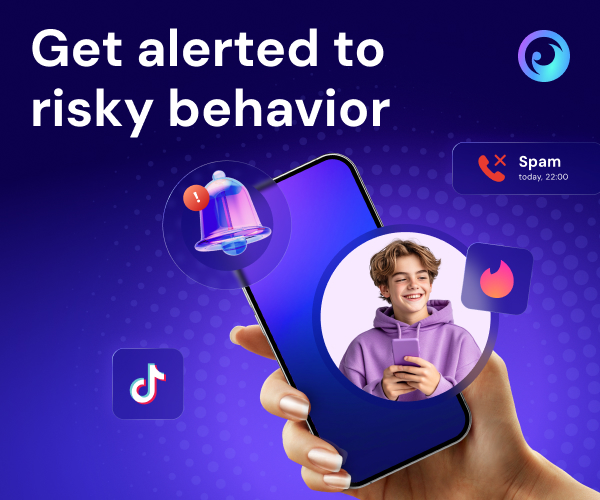
Key Features:
Social Media Magnifier: Gain insights into your child's social circles and the content they are engaging with on various platforms.
Screen Recording: View recordings of your child's screen activity to understand exactly how they are using their apps.
Invisible Shield: Operates discreetly in the background.
Phone Analyzer: Access a complete log of calls, messages, photos, and installed applications.
Eyezy is ideal for parents who want a detailed, 360-degree view of their child's phone usage to foster informed and proactive safety conversations.
Maintaining an Open Dialogue: The Ongoing Conversation
Technology is not a "set it and forget it" endeavor. Your most powerful tool is ongoing, open communication. Have regular check-ins with your child about their online life. Ask them what new apps their friends are using. Ask if they've seen anything weird or worrying. When they make a mistake—and they will—use it as a teachable moment, not just an opportunity for punishment.
Conclusion
The goal of this entire process is not to raise a perfectly monitored child, but to guide them toward becoming a responsible, resilient, and ethical digital citizen. Taking the time to thoroughly prepare kids for first smartphone is an act of love and protection. It builds trust, establishes safety, and empowers them with the knowledge they need to navigate the complexities of the online world.
You are not just giving them a phone; you are giving them their first major tool for modern life. Equip them with the wisdom to use it well.
Frequently Asked Questions (FAQs)
1. What is the right age to get a child their first smartphone?
There is no magic number. The right age depends on your child's maturity, their need for the phone (e.g., walking home from school alone), and their understanding of digital responsibility. Generally, many experts suggest waiting until at least middle school, but the preparation we've discussed should begin much earlier.
2. Isn't using a monitoring app like spying on my child?
This is a vital distinction. The approach matters immensely. Using a monitoring app secretly on a teen's phone can breach trust. However, when used transparently with a younger child getting their first phone, it's a safety and teaching tool. You should explain, "This phone is a big responsibility. To help you learn and stay safe, we will be using an app that lets us see how you're using it. This isn't because we don't trust you; it's because the online world has real risks, and our job is to protect you while you learn."
3. My child says they'll be the only one without a phone and will be left out. How do I handle this?
This is a powerful social pressure. Acknowledge their feelings, but don't be swayed by them. Explain that every family has different rules. Your responsibility is to their safety and well-being, not their popularity. Connect with other parents in your child's class to discuss guidelines; you may find you have more allies than you think.