What Does LMK Mean?
In texting, chat apps, and social media, LMK stands for "Let Me Know."
It is a widely used, completely harmless acronym used to request information, an update, or a decision from someone at a later time.

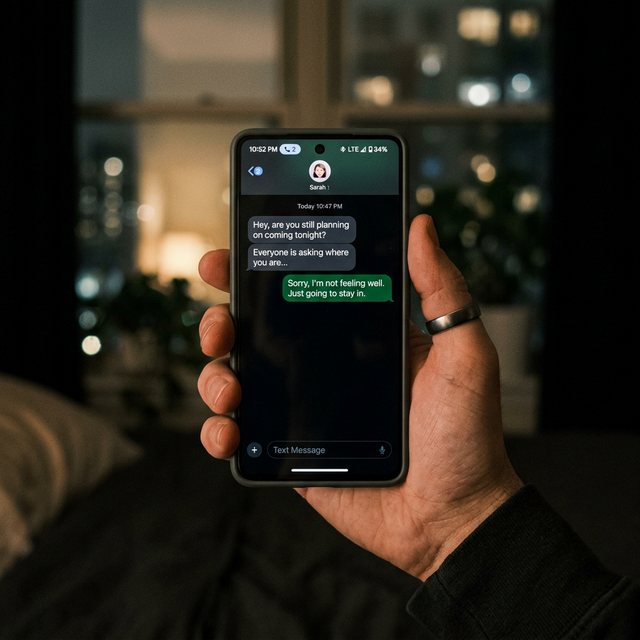
LMK is most frequently used when making plans or asking for an update later.
Examples of LMK in Action
Here are three common ways teens (and adults) use LMK:
- Making Plans: "Are you coming to the game on Friday? LMK!"
- Asking for Updates: "LMK when you get home safely."
- Requesting Help: "I'm struggling with this math homework. LMK if you can help me study later."
Variations of LMK
You might also see variations like LYK, which stands for "Let You Know" (e.g., "I'll LYK what my mom says about sleepover").
Beyond the Acronyms
LMK is harmless, but what about the texts you don't understand? Get alerts for dangerous keywords directly from their chats.
See Their Actual TextsUsing LMK Yourself: A Check-in That Doesn't Feel Like Surveillance
LMK is the one piece of shorthand that translates directly into better parenting, because it is a request rather than a demand. "LMK when you get there" asks for one piece of information at one moment and leaves the rest of the evening alone. "Text me the second you arrive, and when you leave, and who's with you" asks for the same information in a tone that guarantees an argument.
Three family uses do most of the work. Arrivals: "LMK when you're through the gate." Plan changes: "LMK if the film finishes late and I'll pick you up." Offers: "LMK if you need a lift — I'd rather drive than wonder." Each one gives the child something back, which is why they keep answering.
Then use it as a promise in the other direction. "I'll LMK by six whether I can drive you" only works if you actually do it, because the word is a reliability contract both ways. Parents who keep their own LMKs get answered; parents who do not get silence, and then describe the silence as secretiveness.
When LMK goes unanswered, match the response to the situation rather than the anxiety. Give a window that fits the context — twenty minutes after practice, not two — then make one call. Five follow-up texts read as panic and teach a child that replying late causes an escalation, which makes late replies more likely, not less.
The pressure variant deserves a mention: "lmk??", "lmk now", "why aren't you answering" turn a low-stakes request into an obligation, and the standard teenage answer is a fast "ok" that means nothing at all. If a reply genuinely is needed by a time, say the time: "LMK by seven or I'll assume you're eating there." A written family digital agreement is the natural place to record those windows so nobody has to negotiate them at bedtime.
LMK and the Read-Receipt Economy
What LMK means depends on what the messenger reports back. WhatsApp and Messenger show delivery and read status in most setups, iMessage shows "Delivered" and then "Read" if read receipts are switched on, SMS reports nothing at all, and Snapchat shows when a chat was opened. The same three letters therefore carry three different social weights, and a parent reading "lmk" needs to know which system they are reading it in.
"Seen, no lmk" is itself a message. In apps that report reads, silence after a read is a decision the sender is visibly making, and teens read it exactly that way. What looks to a parent like being ignored is usually a teen deciding, deferring, or negotiating the same plan with someone else - very rarely a message that never arrived.
The rule that follows: never let read status stand in for agreement. A read receipt proves the message landed, not that a plan was accepted. Where a decision matters - a pickup, a curfew, a permission - ask for a yes or no instead of "lmk", and give a clock. "lmk by 5" is a different message from "lmk", and the difference is most of what makes a family plan work.
There are two pressure variants too. "lmk?" is a nudge and "lmk asap" is impatience; both are the same request with the dial turned. If your child sends you "lmk?" it is worth answering even with nothing to report - "deciding, by 7" removes the whole exchange. The reverse also helps: when you send lmk, say what you will do with the answer, because "let me know if you're staying for dinner" and "let me know who you're with" are not the same ask and teens hear the difference.
One habit worth dropping on the parent side is reading message status as a safety signal. A delivery tick says nothing about where someone is or whether they are okay, and a "Read" cannot be turned into an answer. When it matters, call. Message behaviour tells you about the conversation, which is why our guide to monitoring teenager texting habits puts context ahead of timestamps.
It is worth saying to a teen once, plainly: read receipts are a courtesy, not a contract. Someone turning them off says nothing about the friendship, and a household rule that depends on them will fail the first time a phone is on silent or a message is read on a lock screen and then forgotten.
The Parental Value: Why LMK Matters
If you're looking up the meaning of LMK, chances are you are trying to better understand your teen's digital world. The good news: LMK is a highly practical, safe term. It shows communication and planning.
However, slang evolves rapidly, and understanding the harmless terms helps you better identify the concerning ones. Taking an interest in their digital vocabulary is a great way to start conversations. We recommend a "conversation-first" parenting approach. Ask your teen what new acronyms mean rather than policing every word.
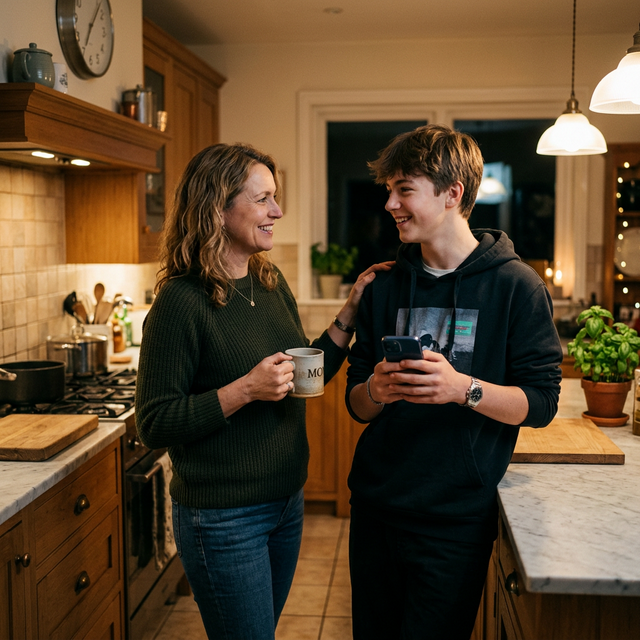
Using "LMK" in your own texts ("LMK when you get there") shows you trust them while still enforcing boundaries.
If you feel the need to structure your child's digital life further, rely on agreed-upon screen-time boundaries and focused keyword alerts, rather than blanket monitoring, to stay compliant with ethical and legal use policies.
Related Slang & Acronyms
Expand your understanding of teen texting habits by exploring these related terms:
For a complete overview, visit our Teen Slang Dictionary Pillar Page.
Want to know more about keeping chats safe? Read our guide on using keyword alerts ethically.
LMK as a Soft Maybe, and the Group-Chat Version
Not every lmk is a request for a fact. Sent back after an invitation, "lmk" is often a polite no: the sender is keeping the door open without walking through it, because a flat refusal costs more in a friendship than a vague one. A parent reading the thread sees indecision where the child is being diplomatic.
The group version has a mechanical problem worth knowing. A request addressed to nine people is answered by nobody, because each person assumes someone else is replying, and the sender concludes they were ignored. That is not rudeness, it is what happens when one message has nine possible owners. The same effect runs the other way: a child who asks a group and hears nothing learns that the group chat is unreliable, and eventually stops asking, which parents later read as withdrawal.
Three unanswered lmks about the same plan are your answer. If the same evening out has been asked about, deflected and deferred three times, treat it as a no in progress and do not make the child say it out loud. Making a no expensive to give is exactly how a household stops receiving lmks at all.
What helps is narrowing the ask to one person, one time, one decision - "Sam, are you coming Saturday?" gets a reply where a group lmk gets silence. Parents can model that in the family chat, and if the household keeps anything written down, the place for the rule is the section on who confirms plans and by when, which is what our guide to shared family phone guidelines covers.
LMK When the Offer Has No Mechanism
The lmk parents write most often is the one with nothing attached: "lmk if you need anything". It is a courteous sentence, and teenagers learn within a year or two that it is a courtesy rather than a plan, because a child who takes it literally - "I need a lift at six" - often gets a vague reply. Once that happens a few times, the phrase stops registering at all, and the parent concludes the child never asks for help.
A real offer carries three things: a person, a channel and a deadline. "Lmk by four and I'll pick you up" has all three. "Lmk if you need anything" has none, so it puts the whole cost of the request on the person asking, at the exact moment they are least able to organise anything. That is the mechanic behind the familiar gap - a teenager who will text a friend at midnight for a lift and not a parent at six.
The same failure runs in reverse, and it is worth watching for. A teen's "lmk if you're coming" is a real question with a real deadline attached, usually the start of something, and a parent who never answers teaches the same lesson in the other direction: that an lmk can safely be ignored. Answering their lmks, even with a no, keeps the word meaningful in the house.
If the family keeps any written agreement, the useful place for this is the section listing who confirms what and by when - the same structure set out in our phone contract template for teenagers. One line is enough: offers come with a time, and confirmations come back before it.
Tone is Everything
Knowing that "LMK" means "Let Me Know" doesn't tell you if your teen is communicating with safe friends or risky individuals. To understand the true tone and context of their digital life, you need the full picture.
Explore Parental Dashboards →