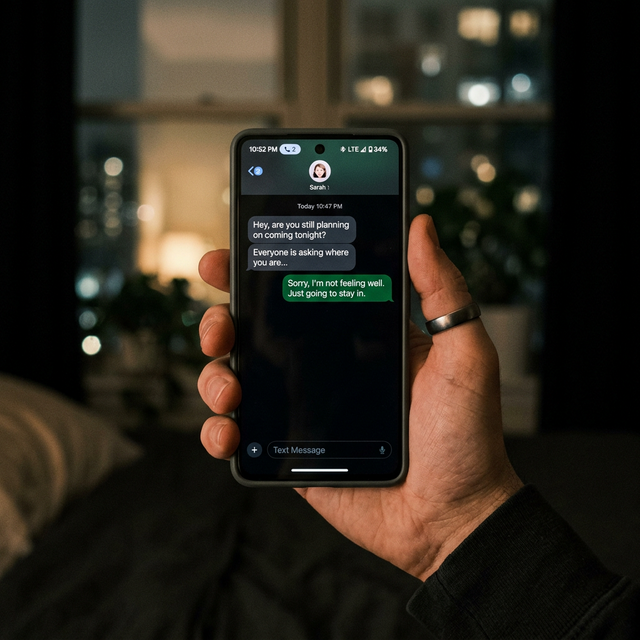
I’ve lost count of the number of times a parent has described the same scene to me: a dinner table silent except for the tapping on screens, a teenager storming off after being told to put their phone away, or the nightly struggle over a device at bedtime. The smartphone, designed to connect us, often becomes the very thing that drives a wedge into family life. After a decade of helping families navigate digital challenges, I’ve learned one universal truth: rules imposed from the top down will always be met with resistance. The solution isn't more control; it's more collaboration.

The goal is not to create a fortress against technology, but to build a framework that allows your family to enjoy its benefits without being consumed by its downsides. This is achieved through the creation of clear, fair, and collaboratively developed shared family phone guidelines. This article will provide you with a proven blueprint to move from constant nagging to a shared understanding, transforming your home's digital environment from a source of conflict to one of connection.
The Foundation: Why Shared Guidelines Beat Imposed Rules
The difference between "my rules" and "our guidelines" is the difference between resentment and responsibility. When children and teenagers are simply told what to do, they see phone restrictions as an arbitrary punishment. When they are involved in creating the framework, they understand the "why" behind it and feel a sense of ownership over the agreement.
Effective shared family phone guidelines are built on mutual respect. They acknowledge that everyone in the family, parents included, can struggle with healthy tech habits. This approach shifts the dynamic from a parent-versus-child battle to a family unit working together towards a common goal: a happier, more present, and balanced home life. This collaborative spirit is the glue that makes the guidelines stick.
Step 1: The Family Meeting – Launching the Conversation
The first step is to schedule a dedicated family meeting, free from distractions. The tone of this meeting is critical. Frame it positively: "We want to figure out how we can all use our phones in a way that helps our family instead of hurting it."
Start by asking open-ended questions to understand everyone's perspective:
"What do you love about your phone?"
"When does phone use in our house bother you?"
"What activities do you wish we did more of as a family?"
Listen without judgment. You might be surprised to learn that your teen feels just as distracted as you do. This process ensures that the resulting guidelines aren't just about limiting kids, but about improving the digital well-being of the entire household.
Step 2: Drafting Your Family's Digital Constitution
From the conversation, you can now draft a formal document—your family's Digital Constitution. This should be a simple, written agreement that everyone can refer to. Post it on the refrigerator as a visible reminder of your shared commitment. Key sections should include:
1. Phone-Free Zones & Times:
The Dinner Table: A universal zone for conversation and connection.
Bedrooms Overnight: All devices charge in a common family charging station by a set time (e.g., 9 PM). This is the single most effective rule for improving sleep.
The First Hour After School/Work: A buffer period to decompress and reconnect without digital interference.
2. Digital Citizenship & Safety:
Oversight Clause: Acknowledge that parents may periodically check phones to ensure safety. This is about guidance, not spying.
Privacy & Kindness: Never share personal information or use phones to gossip, bully, or post unkind comments.
Stranger Danger: Do not communicate with people you do not know in real life.
3. Leading by Example (The Parent Pledge):
This is the most powerful part of the agreement. Parents must also commit to the guidelines. This might include:
"I will not check my work email during family movie night."
"I will put my phone away when you are talking to me."
"I will also adhere to the device curfew."
Step 3: Leveraging Technology to Uphold Your Agreement
A written agreement is a great start, but technology provides the tools to enforce it consistently and without daily arguments. Both built-in settings and third-party apps can act as impartial referees for your shared family phone guidelines.
Using Built-In Tools:
For Apple Families: Use Screen Time in Settings to set up Downtime (blocking apps during sleep hours), App Limits (for games and social media), and always-enforced Communication Limits.
For Android/Google Families: The Family Link app allows you to manage your child’s screen time, set bedtimes to lock the device, and review their app activity.
These tools are excellent for managing time, but for deeper insight into safety and usage, many families benefit from a dedicated parental control app.
When You Need a Helping Hand: The Role of Parental Control Apps
For many families, especially with teenagers, built-in controls aren't enough to ensure safety and adherence to the agreed-upon rules. Parental control apps provide a deeper layer of oversight and can be introduced transparently as part of your family's safety net.
mSpy: For Comprehensive Oversight and Peace of Mind
mSpy is a powerful, all-in-one monitoring solution that provides parents with a detailed view of their child's digital activity, aligning with the safety principles in your family guidelines.

Key Features:
Social Media Monitoring: Track interactions on platforms like Instagram, Snapchat, and WhatsApp to help guard against cyberbullying and predatory behavior.
Location Tracking & Geofencing: Receive automatic alerts if your child arrives at or leaves a designated location like school or a friend's house.
Keylogger: This feature records keystrokes, which can help you understand what your child is searching for and typing, providing context for conversations about online safety.
App Blocking: Remotely block distracting or inappropriate apps during homework or family time.
mSpy is ideal for parents who want a high level of transparency to proactively guide their children in a complex digital world.
Parentaler: For Straightforward and Effective Management
Parentaler offers a clean, user-friendly approach to parental controls, focusing on the core features that help enforce family rules without complexity.

Key Features:
App Blocker: Instantly block any application you deem inappropriate or too distracting, directly supporting your app limit guidelines.
Screen Time Scheduler: Set specific time limits for overall device use or for individual applications, automating your daily screen time rules.
Web Filter: Block access to adult and harmful websites across all web browsers.
Panic Alert: Your child can send an immediate alert to your phone if they feel unsafe or need help, adding a layer of physical safety.
Parentaler is an excellent choice for parents seeking a simple, effective tool to uphold the rules laid out in your family agreement.
Eyezy: For All-in-One Family Monitoring
Eyezy provides a comprehensive suite of monitoring tools within a modern dashboard, making it a strong option for families who want detailed insights.

Key Features:
Social Magnifier: Gain insights into your child's social media circles and the content they are engaging with.
Screen Recording: View recordings of your child's screen activity to understand their app usage patterns.
Invisible Shield: Operates discreetly in the background.
Phone Analyzer: Access a full log of calls, messages, and installed apps.
Eyezy is a robust solution for parents who want a detailed, all-in-one view to inform their conversations about digital responsibility.
The Power of "Analog Time": Filling the Vacuum
Rules and restrictions can only do so much. The most effective way to reduce the pull of screens is to fill your family's time with more appealing, real-world alternatives. Proactively schedule "Analog Time."
This could be:
A weekly board game or puzzle night.
A family walk or bike ride.
Cooking a meal together.
Visiting a park, museum, or library.
When children have positive, engaging activities to look forward to, the allure of the screen naturally diminishes. This is the ultimate goal of your shared family phone guidelines: to create a life so rich and connected that the digital world becomes a supplement, not the main event.
Conclusion
Creating and upholding shared family phone guidelines is not a one-time task but an ongoing practice. It requires patience, consistency, and a willingness to adapt as your children grow and technology evolves. The reward, however, is immeasurable: a home with less conflict, more conversation, and a healthier relationship with the technology that surrounds us.
You have the power to transform your family's dynamic. Start the conversation, draft your constitution, and use the tools available to support your shared vision. The path to digital harmony begins with a single, collaborative step.
Frequently Asked Questions (FAQs)
1. What if my teenager refuses to sign or follow the agreement?
Resistance is a form of communication. Instead of forcing the issue, explore the resistance. What specific guideline are they objecting to? Why? Be willing to negotiate on smaller points (e.g., an extra 30 minutes of screen time on weekends) while holding firm on non-negotiables like safety and overnight charging. Ultimately, the phone is a privilege contingent on following the family's rules.
2. How do we handle phones when friends come over?
This should be addressed in your guidelines. A good rule is that the same basic courtesies apply. During a playdate or hangout, phones should be put away to encourage real-world interaction. You might designate a basket where all phones go for the first hour. This prevents your home from becoming a place where kids simply sit together on their devices.
3. We both work and sometimes need to contact our kids. How does the "phone-free" time work?
The guidelines should have flexibility for practical needs. During a "phone-free" time like the after-school buffer, you can use the Communication Limits feature on iPhones or Family Link on Android to whitelist parents and specific family members. This means your calls and texts will still come through, but notifications from games and social media will be silenced