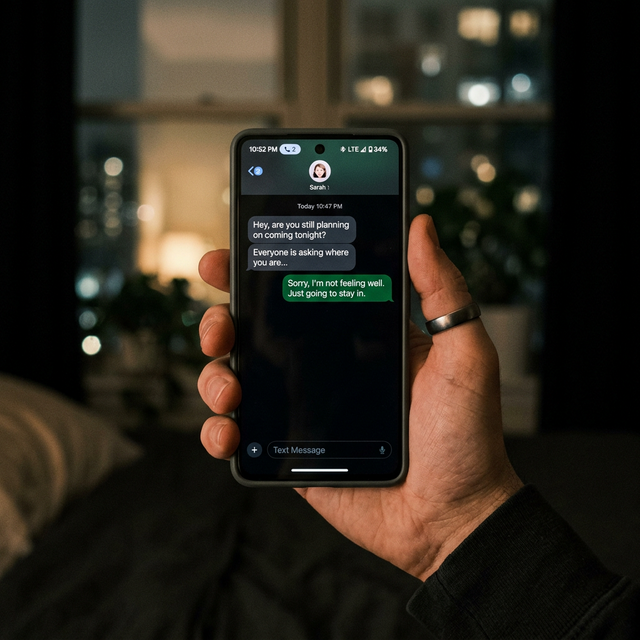
The schoolyard bully of the past has evolved. They no longer need physical dominance or a captive audience on the playground. Today, the bully operates from a pocket-sized device, armed with a keyboard and a seemingly infinite audience. The harm they inflict doesn't end when the final bell rings; it follows a child into their bedroom, their kitchen, and their most private spaces. For over a decade, I've worked with families navigating this new reality, and the pain is just as real, but the scars are often invisible until it's too late.

As a parent, you might feel outmatched. The technology is new, the platforms are constantly changing, and your child may be reluctant to talk. But you are not powerless. Your role as their protector is more crucial than ever, and it starts with understanding the digital landscape they inhabit. This comprehensive parent guide to cyberbullying and phones will equip you with the knowledge to recognize the signs, the strategies to respond effectively, and the tools to create a safer digital environment for your child.
Understanding the Digital Battlefield: How Phones Amplify Bullying
To protect your child, you must first understand how a phone transforms traditional bullying. Cyberbullying is the willful and repeated harm inflicted through electronic devices like smartphones. Its unique characteristics make it particularly damaging:
Permanence and Audience: A hurtful message or embarrassing photo can be saved, shared, and viewed by hundreds of people in minutes, creating a permanent, public record of humiliation.
24/7 Access: There is no escape. The harassment can happen at any time of day or night, invading your child's home and personal life.
Anonymity: Bullies can hide behind fake profiles, making them feel empowered to say things they never would in person and making the source of the attacks difficult to identify.
The Disinhibition Effect: The lack of face-to-face interaction makes it easier for children to act more aggressively online than they ever would offline.
Understanding this dynamic is the first step in this parent guide to cyberbullying and phones. It’s not an overreaction; you are recognizing a legitimate and potent threat to your child's mental well-being.
Recognizing the Red Flags: Is Your Child Being Targeted?
Children often hide cyberbullying out of shame, fear of having their phone taken away, or a belief that adults can't help. As a parent, you must be a detective of behavior, not a spy on their device. Look for these subtle changes:
Emotional and Behavioral Shifts: Suddenly becoming withdrawn, anxious, sad, or angry after being on their phone. A marked loss of interest in friends, hobbies, or activities they once enjoyed.
Device-Related Behavior: Jumping or showing anxiety when they receive a notification. Suddenly hiding their screen when you walk by, being unusually secretive about their online life, or drastically increasing or decreasing their phone use.
Physical Symptoms: Complaints of headaches or stomachaches, changes in eating or sleeping patterns, or avoiding school.
Social Withdrawal: Pulling away from family and friends, or dropping out of social groups and clubs.
If you notice a cluster of these signs, it's time to open a gentle, non-confrontational conversation.
The First Response: What to Do When Your Child Confides in You
Your initial reaction will set the tone for your child's recovery and their willingness to come to you in the future. If they trust you enough to tell you, your response is critical.
Listen and Comfort: Your first job is not to solve the problem, but to provide emotional support. Say, "Thank you for telling me. That must have been so hard. I am here for you, and we will get through this together." Assure them that they are not to blame.
Do Not Overreact: Resist the immediate urge to take away their phone. This punishes the victim and cuts off a vital social lifeline. Avoid confronting the bully or their parents yourself in the heat of the moment.
Validate Their Feelings: Let them know that their pain is real and justified. Cyberbullying is not "just kids being kids."
Collaborate on a Plan: Empower your child by involving them in the next steps. Ask, "What do you think would help make this stop?" This shifts them from a victim to an active participant in their own defense.
Taking Action: A Step-by-Step Intervention Plan
Once your child feels heard and supported, you can move into action mode with a clear, calm strategy.
Document Everything: Take screenshots of all harmful messages, posts, and comments. Include dates and usernames. This creates a crucial evidence trail.
Report and Block: Use the reporting functions on the social media platform, game, or app where the bullying occurred. Then, help your child block the bully and any associated accounts.
Contact the School: Most schools have anti-bullying policies that cover off-campus cyberbullying if it disrupts the school environment. Share your documentation with a school counselor or administrator.
Know When to Escalate: In cases involving threats of violence, stalking, hate crimes, or sexually explicit photos, contact your local law enforcement.
Building a Proactive Defense: Open Communication and Digital Literacy
Prevention is always more effective than intervention. The core of any effective parent guide to cyberbullying and phones is fostering an environment of open communication and critical thinking.
Talk Early and Often: Have ongoing conversations about digital citizenship. Discuss what cyberbullying is and assure your child that they can always come to you without judgment.
Create a "Support, Don't Punish" Policy: Explicitly promise your child that if they are being cyberbullied, you will not punish them by taking away their phone. This removes a major barrier to them asking for help.
Role-Play Responses: Practice what to do if they are targeted. The best response is often no response at all, followed by blocking the person and telling a trusted adult.
How Parental Monitoring Apps Can Serve as a Safety Net
While communication is your primary tool, technology can provide a critical safety net. Parental control apps are not about spying on your child's every message, but about having the visibility to spot a pattern of harmful behavior—either directed at your child or originating from them—before it escalates into a crisis.
mSpy: For Comprehensive Digital Insight
mSpy offers a deep level of monitoring that can be crucial for identifying both sides of cyberbullying—whether your child is a victim or exhibiting bullying behavior themselves.

Key Features for Cyberbullying Prevention:
Social Media Monitoring: Track direct messages and comments on platforms like Instagram, Snapchat, and Facebook Messenger, where much of cyberbullying occurs.
SMS and iMessage Tracking: Read text messages to identify harmful exchanges.
Keylogger: This feature records every keystroke, which can reveal hurtful messages your child may be typing or searching for help about their situation.
mSpy provides the detailed evidence often needed to understand the full scope of a cyberbullying situation.
Scannero.io: For Location Safety and SMS Tracking
Scannero.io focuses on core features that can be vital if cyberbullying escalates into real-world threats or if your child becomes withdrawn.

Key Features for Cyberbullying Prevention:
SMS Tracking: Monitor the content of text messages for abusive language or threats.
Location Tracking: Know your child's whereabouts. If they are feeling overwhelmed or threatened at school, their location can provide context and reassurance.
Geofencing: Set up safe zones and receive alerts if your child arrives at or leaves a location, offering an extra layer of logistical safety.
Scannero.io is a straightforward tool for parents concerned about the intersection of online harassment and physical safety.
Moniterro: For Balanced Monitoring and Awareness
Moniterro offers a well-rounded set of features that give parents a clear overview of their child's digital interactions without being overwhelming.

Key Features for Cyberbullying Prevention:
Social Media & Message Tracking: Keep a pulse on conversations across multiple platforms from a single dashboard.
Notification Monitoring: See all incoming alerts, which can help you understand the volume and sources of communications your child is receiving.
Web History Monitoring: See if your child is searching for terms related to depression, self-harm, or bullying, which can be a critical cry for help.
Moniterro helps parents stay informed and spot troubling patterns early.
Conclusion
In the fight against cyberbullying, your child's phone is not the enemy—it's the arena. Your knowledge, empathy, and proactive approach are their most powerful shields. By combining open communication with smart tools, you can transform a device of potential risk into a tool for connection and support.
Your vigilance and willingness to engage on this issue send a powerful message to your child: you see them, you hear them, and you are in their corner. Don't wait for a crisis to start the conversation.
Frequently Asked Questions (FAQs)
1. Should I demand my child's phone password?
A demand can feel like an invasion. A better approach is to establish from the outset that phone ownership in your family comes with transparency. Frame it as a safety rule, not a lack of trust: "In our house, we know each other's passwords for safety reasons, just like we know where you are after school." This makes it a standard practice, not a punitive reaction.
2. What's the difference between normal teen conflict and cyberbullying?
The key distinctions are repetition, intention, and power imbalance. Normal conflict is typically a two-sided argument between peers of relatively equal social power. Cyberbullying is one-sided, repeated, and intended to cause harm, often involving a power imbalance where the bully feels empowered by their anonymity or audience.
3. If I use a monitoring app, should I tell my child?
For trust-building, transparency is almost always best. You can explain it as a safety tool, not a spying tool. Say, "Because the online world can be risky, we use an app that helps us spot bullying or dangerous situations. It's my job to help keep you safe, and this is one way I can do that." This frames the app as part of your parental responsibility