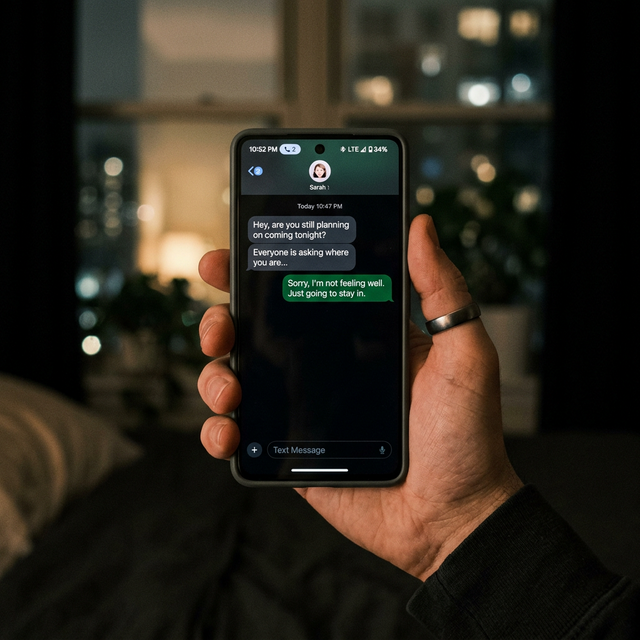
For over ten years, I've sat with families in living rooms, their faces illuminated by the glow of separate screens. The story is often the same: parents feel overwhelmed, children are distracted, and the constant pull of technology is eroding the very connections it promises to build. The term "digital wellbeing" can sound like another item on an endless to-do list, but I'm here to tell you it's something far more achievable. It’s not about eliminating technology, but about integrating it into your family life in a way that serves you, not the other way around.

This guide is the culmination of a decade of work, trial, and error. We will move beyond the guilt and frustration to establish a practical, sustainable framework. You will learn how to set clear boundaries, use the powerful tools already on your devices, and introduce habits that protect conversation, play, and rest. My goal is to provide you with actionable digital wellbeing tips for families that will help you create a more present, balanced, and joyful home environment.
Laying the Foundation: The Family Digital Wellness Plan
Before you download a single app or change a setting, the most critical step is to have a family meeting. This isn't about laying down the law; it's about creating a shared vision. A Family Digital Wellness Plan is a collaborative agreement that everyone has a voice in.
Start by discussing the "why." Ask questions like:
"How do we feel after too much time on our devices?"
"What activities do we miss doing together?"
"When should we be fully present with each other?"
From this conversation, draft a simple plan. It might include:
Tech-Free Zones: The dinner table and bedrooms are the most common and effective starting points.
Tech-Free Times: Consider the first hour after school/work and the hour before bedtime as sacred, screen-free periods.
Device Curfews: All devices charge overnight in a common area, like the kitchen, not in bedrooms. This single change improves sleep for everyone.
This plan is your family's constitution for technology use. It makes every subsequent step a shared effort, not a top-down imposition.
Harness the Power in Your Pocket: Using Built-In Tools
Your smartphones and tablets come with incredibly powerful, yet often overlooked, features designed specifically for digital wellbeing. Leveraging these is your first line of defense.
For Apple Families (Screen Time):
Navigate to Settings > Screen Time. Here, you can:
Set Downtime to automatically silence non-essential apps during chosen hours (e.g., 9 PM to 7 AM).
Create App Limits for specific categories like Social Media or Games. Once the time is up, the app is paused for the day.
Use Communication Limits to manage who your children can contact and when.
Most importantly, use Screen Time Passcode to prevent your settings from being easily changed.
For Android/Google Families (Digital Wellbeing & Family Link):
Go to Settings > Digital Wellbeing and parental controls. Key features include:
Wind Down: This mode fades your screen to grayscale at a scheduled time, a visual cue that it's time to disconnect.
Focus Mode: Pause distracting apps with a single tap during homework or family time.
For younger children, the Family Link app allows you to manage their apps, set screen time limits, and remotely lock their devices.
Spending 30 minutes configuring these settings is one of the highest-return investments you can make in your family's digital wellbeing.
Lead by Example: Modeling Healthy Digital Habits
Children won't always listen to what you say, but they will always imitate what you do. Our habits as parents set the standard. This means being intentional about our own phone use.
Practice what you preach. Put your phone away during the tech-free times you've established. When you're with your children, be fully with them. If you need to check a message, verbally acknowledge it: "I just need to check the map to see how long this drive will take," instead of silently disappearing into your screen. Your conscious effort to be present is the most powerful digital wellbeing tips for families you can ever demonstrate.
The Role of Parental Control Apps: A Closer Look
While built-in tools are excellent for establishing basic boundaries, some situations call for more robust solutions. Parental control apps offer deeper insight and more granular management, which can be invaluable for establishing initial habits and ensuring safety, especially with younger children and teens. Here are three effective options.
mSpy: For Comprehensive Oversight
mSpy is a well-established application known for its extensive monitoring capabilities, providing parents with a detailed view of their child's digital activity.

Key Features:
Social Media Monitoring: Track interactions on platforms like Instagram, Snapchat, and Facebook Messenger.
Location Tracking & Geofencing: View your child's real-time location and receive alerts if they enter or leave a designated area.
Keylogger: This feature records keystrokes, which can help you understand what your child is searching for and typing.
App Blocking & Usage Reports: See exactly how much time is spent on each app and remotely block distracting applications.
mSpy is a powerful tool for parents who need a high level of transparency to guide their children through the complexities of the online world.
Parentaler: For Straightforward, Effective Management
Parentaler offers a user-friendly approach to parental controls, focusing on core features that are easy to set up and manage.

Key Features:
App Blocker: Instantly block access to any app you deem inappropriate or distracting.
Screen Time Scheduler: Set specific time limits for overall device use or for individual applications.
Web Filter: Block access to adult and harmful websites across all browsers.
Panic Alert: Your child can send an instant alert to your phone if they feel unsafe or need help.
Parentaler is an excellent choice for parents seeking a clean, simple interface to enforce the rules laid out in their Family Digital Wellness Plan.
Eyezy: For All-in-One Family Monitoring
Eyezy positions itself as a comprehensive solution, combining a wide array of monitoring features with a modern, intuitive dashboard.

Key Features:
Social Magnifier: Gain insights into your child's social media circles and the content they are engaging with.
Screen Recording: View recordings of your child's screen activity to understand their app usage patterns.
Invisible Shield: Operates discreetly in the background of the monitored device.
Phone Analyzer: Access a full log of calls, messages, photos, and installed apps.
Eyezy provides a robust suite of tools for parents who want a detailed, all-in-one view of their child's digital life to foster informed conversations about safety and responsibility.
Prioritize Connection: Schedule Analog Time
Technology often fills a vacuum. The most effective way to reduce its pull is to fill your family's time with more appealing, real-world alternatives. Proactively schedule "analog time."
This could be:
A weekly board game night.
A family walk after dinner.
Cooking a meal together.
Visiting a park or library.
When children (and adults) have positive, engaging activities to look forward to, the allure of the screen naturally diminishes. This is the heart of true digital wellbeing: creating a life so rich that the digital world becomes a supplement, not the main event.
Conclusion
Achieving digital wellbeing is not a one-time event but an ongoing practice. It requires patience, consistency, and a willingness to adapt as your family's needs change. The goal is not perfection, but progress. By creating a plan, using the right tools, and, most importantly, prioritizing real-world connection, you can transform your family's relationship with technology.
You have the power to create a home environment where technology is a tool that you control, not a force that controls you. Start the conversation tonight. Review your phone's settings this weekend. Choose one small change and implement it. Your family's focus, sleep, and connection are worth the effort.
Frequently Asked Questions (FAQs)
1. At what age should we start implementing these digital wellbeing tips for families?
It's never too early to start. For young children, the focus is on strict time limits and high-quality content. As children grow into tweens and teens, the conversation shifts from pure restriction to guided responsibility, critical thinking, and self-management. The habits you establish when they are young create a strong foundation for the more complex challenges of adolescence.
2. My teenager resists all our rules and monitoring. What can I do?
Resistance is common and often a sign of a growing desire for independence. Revisit your Family Digital Wellness Plan with them, not for them. Listen to their perspective and be willing to negotiate certain points. Frame the discussion around safety and health, not control. Using monitoring apps transparently, as a temporary training tool to build trust, can be more effective than using them secretly.
3. Are these parental control apps detectable on the target phone?
The apps mentioned, like mSpy and Eyezy, are designed to operate discreetly. They may not have a visible icon or may run in the background under a different name. However, I strongly advocate for open communication with your children about the use of such tools. The goal is to foster trust and safety, not to create an environment of surveillance that could damage your relationship if discovered.