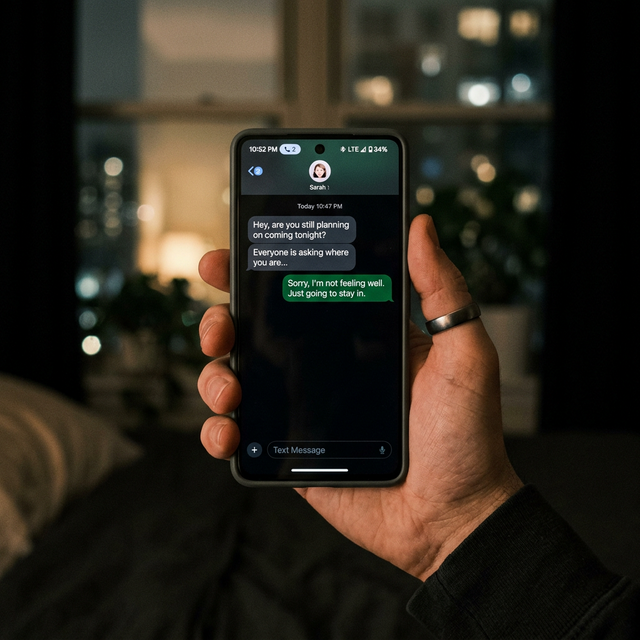
You hand your child their first smartphone with a mix of pride and pure anxiety. You know the dangers that lurk online, and your instinct is to protect them by seeing everything—every message, every search, every post. But then you pause. You value your child’s growing sense of privacy and your relationship with them. The idea of sifting through their personal conversations feels invasive, even wrong. Is it possible to be a vigilant parent without becoming a full-time spy?

After a decade of advising families on digital safety, I can confidently say yes. The goal of monitoring is not to know every detail of your child’s social life, but to be aware of potential dangers and guide them toward healthy digital habits. It is entirely possible to monitor your child's phone without reading every text. This approach focuses on patterns, context, and red-flag alerts rather than a constant, line-by-line invasion of their privacy. This article will provide you with the strategies and tools to build a robust safety net that protects your child while respecting the trust between you.
The Philosophy of "Trust but Verify" Parenting
The "trust but verify" model is perfectly suited for the digital age. It means you trust your child to make good choices, but you also verify that the environment they are in is safe and that their behavior aligns with that trust. This is not about catching them in a mistake; it’s about ensuring they have the tools and support to succeed.
Monitoring a phone under this philosophy shifts from content surveillance to risk management. You are not reading a diary; you are checking the digital perimeter for threats. This allows you to monitor your child's phone without reading every text, focusing your attention on behavioral patterns and potential dangers rather than the minutiae of their daily chats with friends.
The Power of Built-in Controls: Your First Layer of Defense
Before investing in any third-party apps, you should master the powerful, free tools already on the device. Both iOS and Android have robust features that allow for significant oversight without delving into private messages.
For Apple devices, use Screen Time within Family Sharing. You can:
Set "Downtime" to limit usage during sleep or study hours.
Set "App Limits" for specific categories like Social Networking or Games.
Use "Content & Privacy Restrictions" to block explicit content and prevent accidental purchases.
For Android devices, Google Family Link is your go-to. It allows you to:
Set daily screen time limits.
Remotely lock the device when it's time for a break.
Approve or block apps your child wants to download from the Play Store.
See their app activity to understand where their time is spent.
These tools provide a foundational layer of control, managing when and how long the phone is used, which addresses a significant portion of parental concerns without ever touching a private text.
mSpy: Focused Alerts for High-Risk Communications
While mSpy is capable of showing you every text message, its true power in a "trust but verify" model lies in its ability to flag specific risks, allowing you to monitor your child's phone without reading every text. You can use it as an alert system rather than a constant feed.

Key Features for Focused Monitoring:
Keyword Alerts: You can set up alerts for specific words or phrases related to bullying, depression, drugs, or violence. If these keywords appear in a text or social media message, you receive a notification. This turns the app from a surveillance tool into a digital smoke alarm.
Contact Analysis: Instead of reading every message, you can review the contact list to identify unknown or suspicious numbers.
Geofencing: Receive an automatic alert when your child arrives at or leaves a specific location, like school, home, or a friend's house. This provides peace of mind about their physical safety without tracking their every move.
App Usage Reports: See which apps are being used most frequently, which can indicate where to focus your attention and conversations.
By using mSpy strategically, you can create a safety net that only brings concerning activity to your attention, preserving your child's privacy for everyday interactions.
Parentaler: Managing Screen Time and App Access Simply
Parentaler is designed for parents who want to manage their child's digital habits without deep-diving into their social life. It offers a clean, intuitive interface focused on control and scheduling, making it an excellent choice if your primary goal is to ensure a healthy balance.
Key Features for Focused Monitoring:
One-Tap App Blocker: Instantly block distracting or inappropriate apps without needing to see what your child is doing inside them.
Screen Time Scheduler: Automatically lock the device during homework, meals, or bedtime. This enforces boundaries proactively.
Web Filter: Block access to inappropriate websites categorically, preventing exposure to harmful content without monitoring their individual browsing history.
Panic Button: This feature empowers your child to send an immediate alert to your phone if they feel unsafe, fostering a partnership in their safety.
Parentaler is the ideal tool for parents who believe that setting clear boundaries around device usage is more effective and respectful than constant surveillance of content.
Eyezy: Gaining Context Through Visual Insight
Eyezy offers a unique middle ground. It doesn't require you to read every text, but it can provide powerful visual context that other apps miss. Its standout feature gives you a different kind of insight into your child's phone activity.
Key Features for Focused Monitoring:
Invisible Screen Recording: This feature takes periodic screenshots of the device's screen. Instead of reading a cryptic text thread, you might see a screenshot of a concerning social media post or a group chat that reveals the context of a situation. It provides a snapshot of what your child is actually seeing and doing.
Plans & Schedule View: Get a visual timeline of your child's location and app usage patterns over a day or week. This helps you understand their routines without tracking their every GPS coordinate.
File Finder: See what photos and videos are being saved on the device, which can be a red flag for inappropriate content without reading a single message.
Eyezy is for the parent who wants to understand the "what" behind the "how long." It provides contextual clues that can signal when a deeper conversation is needed.
The Crucial Role of Open Communication
Technology is only one part of the solution. The most effective monitoring happens alongside open, ongoing conversations about online safety. Explain to your child that having a phone is a privilege that comes with responsibilities. Discuss the very real dangers of the online world and frame your monitoring as a safety net, not a punishment.
Tell them, "I may not read your texts with your friends, but I have tools that will alert me if someone sends you something dangerous or if you search for something harmful. My job is to keep you safe, and this is how I do it in the digital world." This honesty builds trust and makes the technology a partner in their safety, not a secret weapon.
Creating Your Family's Personalized Monitoring Plan
To build a system that works for your family, follow these steps:
Start with a Conversation: Talk to your child about online risks and your responsibility as a parent.
Activate Built-in Controls: Set up Screen Time (iOS) or Family Link (Android) as your foundation.
Choose a Supplemental App Based on Your Need:
If you want alerts for specific risks, choose mSpy.
If you want to manage screen time and app access, choose Parentaler.
If you want visual context and pattern analysis, choose Eyezy.
Configure for Privacy: Use the app's settings to focus on alerts and patterns, not constant feeds.
Review and Discuss: Periodically review the data together, using it as a starting point for conversations about digital citizenship.
Conclusion
You do not have to choose between your child's safety and their privacy. By adopting a strategic approach, you can effectively monitor your child's phone without reading every text. This method empowers you to identify genuine threats and guide your child's digital development while honoring the trust that is the foundation of your relationship.
The tools exist to make this balanced approach a reality. Start by having the conversation, then implement the technological layers that make sense for your family. You can gain the peace of mind you deserve and raise a child who is both safe online and feels respected by you.
Frequently Asked Questions (FAQs)
1. Is it really effective to monitor a phone without reading the texts?
Yes, it can be highly effective. Many dangers manifest through patterns—sudden changes in app usage, contact with unknown numbers, or visits to inappropriate websites. By focusing on alerts for specific keywords, app activity reports, and location boundaries, you can catch the vast majority of serious issues without infringing on private, benign conversations with friends.
2. How can I explain this type of monitoring to my child without damaging our trust?
Be honest and frame it as a safety issue, not a lack of trust. You can say, "I trust you, but I don't trust everyone online. This is like a seatbelt—it's there to protect you just in case. I've set it up to alert me about specific dangerous words or situations, but I won't be reading your everyday chats with your friends."
3. What is the biggest red flag I should set an alert for?
This depends on your child's age and your concerns, but common and critical keywords to monitor include those related to self-harm, suicide, severe bullying, and meeting strangers ("meet up," "don't tell your parents"). It's less about specific slang and more about concepts that indicate immediate danger.