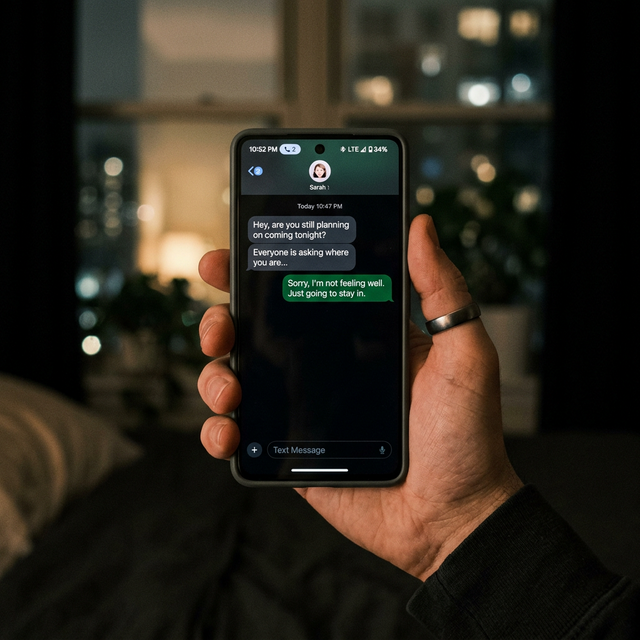
The smartphone in your child’s hand is a portal to a world of incredible opportunity and undeniable risk. As a child psychologist specializing in digital wellness, I’ve spent the last decade helping families navigate this tension. The most common dilemma I hear from parents is, "I need to keep my child safe, but I don't want to become a spy who destroys their trust." This is a valid and crucial concern.
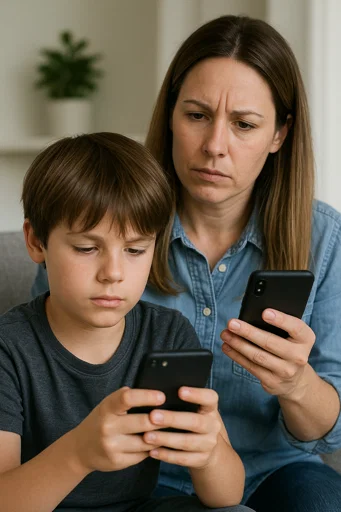
The line between responsible parenting and invasive surveillance can feel blurry. However, the distinction is not in the tools you use, but in the intent, transparency, and process behind them. It is entirely possible to be an informed, proactive parent without resorting to secretive tactics. This article will provide a clear framework for monitoring a child's phone without spying, focusing on building open communication and using technology as a supportive guide rather than a hidden weapon.
The Critical Difference Between Monitoring and Spying
Understanding this distinction is the foundation of a healthy digital parenting strategy.
Monitoring is open, proactive, and focused on guidance. It is done with the child's knowledge and is framed as a safety measure, similar to teaching them to look both ways before crossing the street. The goal is education and protection.
Spying is secretive, reactive, and focused on control. It is done without the child's knowledge and often stems from a place of distrust. The goal is to catch them doing something wrong.
The outcome of each approach is dramatically different. Monitoring, when handled correctly, builds trust and teaches responsible digital citizenship. Spying, when discovered, almost always erodes trust and teaches children to become more secretive.
The Foundation: Open Communication and Shared Values
Before you install a single app, you must lay the groundwork with conversation. This is the most critical step in monitoring a child's phone without spying.
Initiate a calm, non-confrontational family meeting about digital safety. Frame the discussion around your universal values: safety, responsibility, and health. Explain that just as you have rules for physical safety (like wearing a seatbelt), you need rules for digital safety. Ask for their input on what they think are fair boundaries. This collaborative approach transforms the dynamic from "you versus me" to "us versus the potential dangers online."
What to Monitor: Focusing on Safety, Not Secrecy
Your monitoring efforts should be targeted and purposeful, focusing on the highest-risk areas for a child.
Screen Time and App Usage: This is about health and balance, not content. Monitoring overall usage helps ensure the phone isn't interfering with sleep, homework, and physical activity.
Social Media Connections: For younger teens, it's reasonable to periodically review their follower and friend lists together to ensure they only connect with people they know in real life.
Location Data: Knowing your child's whereabouts is a fundamental safety measure, especially before they can drive. This provides peace of mind when they are at school, a friend's house, or on their way home.
App Downloads: Requiring permission before downloading new apps allows you to vet for age-appropriateness and privacy concerns.
Notice that reading every private text message is not on this list. Unless there is a specific, serious concern, respecting private conversations is a key part of building trust as your child matures.
How to Implement Monitoring with Trust
The "how" is just as important as the "what." Here is a step-by-step approach to implementation.
Choose the Tools Together: Sit down with your child and explain that to help everyone stick to the family's digital safety plan, you will be using a parental control app. Show them the options and explain what the app can and cannot do.
Set Clear, Collaborative Boundaries: Work together to set the rules within the app. "You can have two hours of screen time on weekdays. Which apps do you think are most important for that time?" or "Let's set the phone to be locked during homework hours and after 9 PM to protect your sleep."
Grant Increasing Autonomy: As your child demonstrates responsible behavior over time, gradually loosen the restrictions. This shows that you trust their growing judgment. For example, you might move from reviewing every app download to only reviewing paid apps or new social media platforms.
Use Data for Conversation, Not Confrontation: If you see concerning activity through the monitoring app, use it as a conversation starter. Instead of "The app says you were on Instagram past midnight!" try, "I noticed you were up late on your phone last night. Is everything okay? I worry about you getting enough sleep."
Tools That Support Transparent Monitoring
The right technology can enforce the boundaries you set together and provide valuable insights. Here are several applications that can be used as part of a transparent strategy for monitoring a child's phone without spying.
1. mSpy: For Comprehensive, Knowledge-Based Oversight
mSpy is a powerful tool that provides a detailed view of a device's activity. When used transparently, it can be a resource for understanding your child's digital world rather than a spying device.

Key Features for Transparent Use: The location tracking and geofencing features are excellent for physical safety. The ability to see app usage patterns can help you have informed conversations about screen time balance, rather than guessing.
Best For: Parents of older teens who are entering higher-risk digital environments and where a prior agreement about comprehensive oversight is in place.
2. Spynger: For Discreet but Agreed-Upon Safety Checks
Spynger offers a suite of monitoring features with a focus on security. The key to using it ethically is a prior family agreement that such tools are part of the household's digital safety protocol.
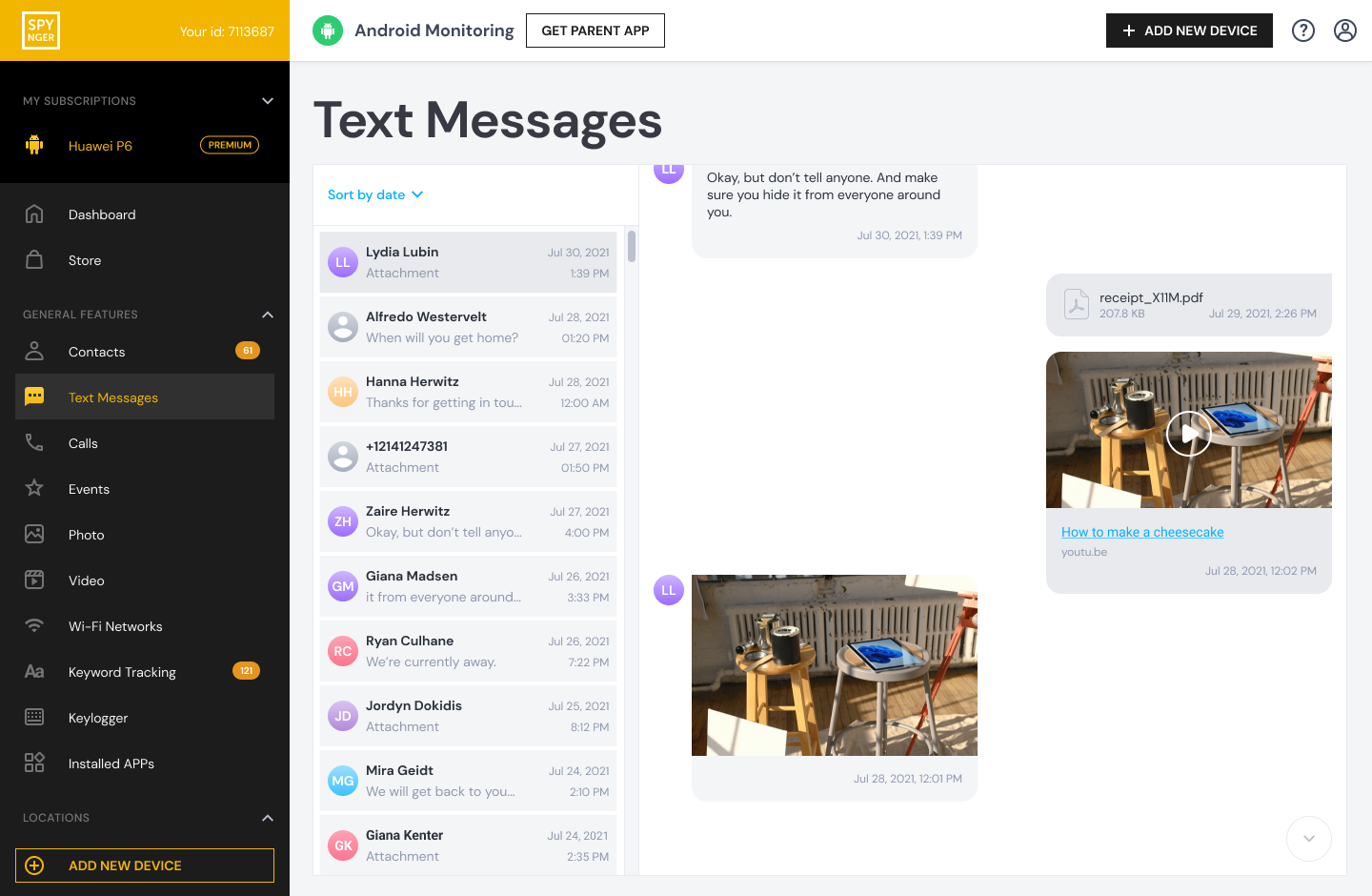
Key Features for Transparent Use: Its social media monitoring can help parents guide teens through the complexities of online interactions. Its discreet nature, when agreed upon, can provide a safety net without feeling like constant surveillance.
Best For: Families who have established a clear "digital driver's license" agreement where the child understands that parental monitoring is a condition of having a smartphone.
3. Scannero: For Focused Location-Based Peace of Mind
Scannero specializes in one of the least controversial but most important aspects of monitoring: knowing your child's physical location.

Key Features for Transparent Use: Its reliable, real-time location tracking and geofencing alerts are straightforward safety features. You can openly tell your child, "This app helps me know you got to soccer practice safely," which is a reasonable and generally accepted form of monitoring.
Best For: Parents of younger teens and tweens who are starting to gain more independence, and for whom physical location is the primary safety concern.
Navigating the Teenage Years: Adjusting Your Approach
As your child grows into a young adult, your role shifts from manager to coach. The monitoring should gradually scale back in proportion to their demonstrated responsibility. The conversations will become more about digital ethics, critical thinking, and long-term consequences than about specific time limits. The ultimate goal is to make the parental control app obsolete because your child has internalized the principles of safe and responsible phone use.
Conclusion
Monitoring a child's phone without spying is an ongoing process of communication, education, and trust-building. It requires you to be a guide, not a warden. By choosing transparency over secrecy and collaboration over control, you can protect your child from digital dangers while fostering a relationship built on mutual respect.
The path to digital safety is a partnership. Start the conversation today, establish your family's guidelines, and choose tools that support your values.
Frequently Asked Questions (FAQs)
1. At what age should I stop monitoring my child's phone?
There is no specific age. The process should be a gradual transition of trust. As your teen consistently makes good choices, shows responsibility with their time, and communicates openly about their online experiences, you can incrementally reduce monitoring. The goal is to phase it out entirely by the time they are ready to leave home, empowering them to be independent, digitally literate adults.
2. My teen says monitoring their phone is an invasion of privacy. How should I respond?
Acknowledge their feelings and explain your perspective. You can say, "I understand why it feels that way. My most important job is to keep you safe, both in the real world and online. This isn't about invading your privacy; it's about giving you the freedom to use your phone while I make sure you're safe from things you might not yet see coming." Reassure them that your intent is protection, not punishment.
3. What if I find something concerning while monitoring?
Stay calm. Do not react immediately with anger. Gather your thoughts and approach the conversation with a focus on understanding. Use open-ended questions: "Can you help me understand what's going on here?" or "I saw this and I'm concerned about your safety. Can we talk about it?" This transforms a potential confrontation into a supportive intervention, reinforcing that the purpose of monitoring is guidance and safety.