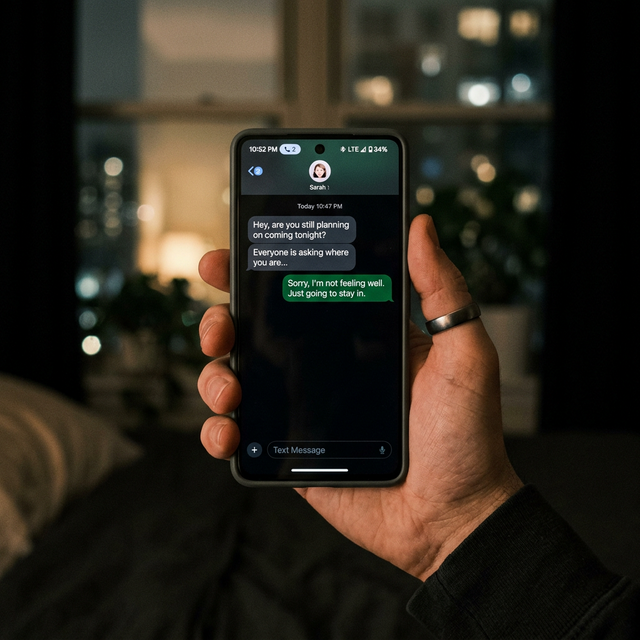
I’ll never forget the 14-year-old client who told me, “I know I should stop scrolling, but I just can’t. It’s like my thumb has a mind of its own.” After a decade of working with teens and families, I’ve seen firsthand how the pull of social media can feel overwhelming for both adolescents and their parents. The data is striking: a recent study from the Pew Research Center found that nearly half of U.S. teens report being online “almost constantly,” with YouTube and TikTok being their primary destinations.

This isn’t just a matter of wasted time. The constant connection has been linked to increased rates of anxiety, depression, and sleep deprivation in teenagers. But the answer isn't to simply take the phone away. The goal is to teach responsible digital citizenship, and that starts with implementing sensible social media limits for teenagers. This guide will provide you with a balanced, effective approach that combines communication, collaboration, and the right technological tools to foster a healthier relationship with technology.
Why Setting Limits is an Act of Love, Not Control
Many parents worry that setting boundaries will lead to conflict, so they avoid it. It’s crucial to reframe this thinking. Establishing social media limits for teenagers is not about punishment or control; it's about providing structure and teaching self-regulation. The adolescent brain is still developing its prefrontal cortex—the area responsible for impulse control and long-term planning.
By setting clear boundaries, you are acting as an external prefrontal cortex for your teen, helping them build the neural pathways that will eventually allow them to self-moderate. You are also protecting their mental well-being. The curated perfection and social comparison inherent in these platforms can be deeply damaging to a teen's developing self-esteem. Limits create necessary space for real-world connections, hobbies, and uninterrupted rest.
The Foundation: Collaborative Rule-Setting
The most successful limits are those created with your teen, not just for them. An authoritarian approach often leads to secrecy and rebellion. Instead, initiate a calm, collaborative conversation.
Start by asking open-ended questions: “How do you feel after spending a few hours on social media?” or “Do you ever feel like it’s hard to put your phone down?” Listen to their perspective. Then, work together to create a Family Media Plan. This should cover:
Time-based Limits: How many hours per day is reasonable?
Time-of-day Boundaries: No phones during meals, an hour before bed, or after a certain time in the evening.
Content Boundaries: What types of accounts and content are off-limits?
Context Boundaries: Phones are put away during homework and family activities.
When teens have a voice in the process, they are far more likely to buy into the rules.
Implementing Built-in Phone Controls
The first line of technical defense is already on your teen’s device. Both iOS and Android have robust, free tools to help enforce the limits you’ve agreed upon.
For iPhones (Screen Time): Go to Settings > Screen Time. You can set “Downtime” for scheduled quiet periods (like during sleep hours), “App Limits” for specific categories like Social Networking, and “Communication Limits” to control who they can talk to. Most importantly, use the “Content & Privacy Restrictions” to prevent them from changing these settings.
For Android Phones (Digital Wellbeing & Family Link): For newer Android devices, use Digital Wellbeing to set timers on apps and “Focus Mode.” For more comprehensive control, use Google Family Link. This separate app allows you, from your own phone, to set daily time limits, remotely lock the device, and establish a bedtime schedule.
These built-in tools are a great start, but they have limitations. Tech-savvy teens can find workarounds, and these systems don’t provide much insight into how the apps are being used, only for how long.
When You Need a More Robust Solution: Dedicated Monitoring Apps
For many families, built-in controls aren't enough. This is especially true if you are dealing with a teen who is struggling to adhere to limits, or if you have specific concerns about their safety online. Dedicated parental control apps offer a more powerful and insightful way to manage social media limits for teenagers. They provide not just enforcement, but also valuable context.
Let’s examine three of the most effective solutions I recommend to families.
mSpy: For Comprehensive Oversight and Enforcement
When parents need the most powerful and detailed overview, mSpy is often the answer. It’s a robust tool that provides deep insight into your teen’s digital life, far beyond simple screen time tracking.
Key Features for Setting Limits:
App Blocking: Remotely block any social media app instantly or on a custom schedule that aligns with your family’s rules.
Screen Time Management: Set strict, unbreakable limits for overall device or specific app usage.
Website Filter: Block access to social media sites through browsers, closing a major loophole.
Social Media Monitoring: See what is happening within apps like Snapchat and Instagram, giving you context for why limits are necessary.
Who it's for: Parents who need a powerful, multi-layered approach to enforcement and want detailed insights into their teen's online activity, especially in high-risk situations.
Eyezy: The User-Friendly and Insightful Manager
Eyezy has become a favorite for its modern, intuitive approach. It proves that powerful monitoring doesn’t have to be complex, making it an excellent choice for parents who want clarity and ease of use.
Key Features for Setting Limits:
Screen Time Scheduler: Easily create a visual schedule to block or allow phone use, making it simple to replicate school hours and family time.
App Blocker: Instantly block distracting applications with a single tap.
Social Spotlight: This feature consolidates activity from social media platforms into one clean feed, helping you understand the context of their online interactions.
Magic Alerts: Get notified if your teen uses specific keywords related to bullying, depression, or other concerns.
Who it's for: Parents who want an effective, straightforward tool that is easy to set up and provides clear insights without a steep learning curve.
Parentaler: The Balanced, Trust-Focused Approach
Parentaler positions itself as a tool for fostering open communication alongside monitoring. It combines strong technical controls with a philosophy that encourages using data to start conversations.

Key Features for Setting Limits:
App Blocking & Scheduling: Reliably block access to apps on a set schedule that you control.
Usage Reports: View detailed reports showing app usage patterns, which can be used for constructive weekly check-ins.
Location-Based Rules: A unique feature that can automatically enforce limits when your teen is at school or other specific locations.
Who it's for: Parents who want to enforce boundaries while using the tools to build trust and have ongoing dialogues about digital responsibility.
Modeling Healthy Habits as a Parent
Our children learn more from what we do than what we say. It’s inconsistent to enforce strict social media limits for teenagers while we ourselves are constantly glued to our own devices. Make a conscious effort to model the behavior you want to see.
Create phone-free zones for the whole family, such as during dinner. Charge everyone’s devices overnight in a common area, not in bedrooms. Talk about your own efforts to manage your screen time. When you model a balanced approach, you legitimize the rules you’re setting for your teen.
Navigating Pushback and Testing Boundaries
It is completely normal for teens to test limits. If your child challenges the rules, stay calm and consistent. Refer back to the Family Media Plan you created together.
Instead of saying, “Because I said so,” reiterate the “why”: “We agreed that getting enough sleep is a priority for your health and mood, and that’s why phones are not allowed in bedrooms after 9 PM.” View violations not as acts of defiance, but as opportunities to reinforce the lesson and, if necessary, adjust the rules collaboratively.
Conclusion
Setting social media limits for teenagers is one of the most important things you can do for their current well-being and future development. It’s a process that blends empathy, clear communication, and the strategic use of technology. By starting with a conversation, utilizing built-in controls, and supplementing with a powerful tool like mSpy, Eyezy, or Parentaler, you can create a supportive framework that helps your teen thrive both online and off.
You are not just limiting their screen time; you are teaching them vital life skills about focus, self-control, and intentional living.
Frequently Asked Questions (FAQs)
1. My teen says all their friends have unlimited access. How do I handle this?
Acknowledge their feelings, but don’t capitulate. Explain that every family has different rules, and your family’s rules are based on your values and concerns for their health and safety. You can say, “I understand it’s frustrating, but in our family, we believe in balance. My job is to help you learn that balance.”
2. What are reasonable daily social media limits for teenagers?
There is no magic number, as it depends on the teen and the day (e.g., weekdays vs. weekends). A common recommendation from child development experts is 1-2 hours of recreational screen time per day on school nights. The key is to ensure it doesn’t interfere with sleep (8-10 hours), physical activity, homework, and face-to-face social interaction.
3. Will using a monitoring app destroy the trust I have with my teenager?
It can if handled poorly. The approach matters immensely. For an older teen, consider being transparent: “Because I love you and the online world has real risks, we will be using a tool to help me keep you safe. It’s not because I don’t trust you; it’s because I don’t trust everyone out there.” Frame it as a safety measure, not a spy tool, and use the insights for conversation, not punishment.