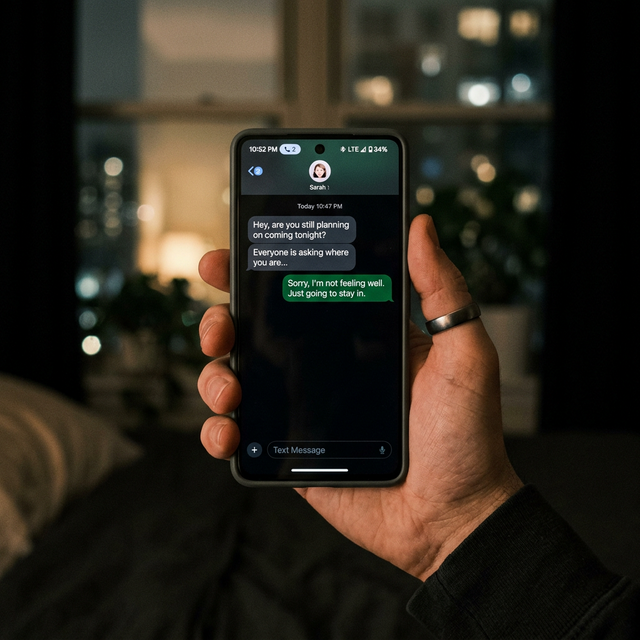
For ten years, I've consulted with exhausted parents and fatigued teenagers, and the scene is hauntingly familiar. A teen struggles to wake for school, their mood is sour, and their academic performance is slipping. In nearly every case, the culprit isn't laziness or a poor work ethic—it’s the smartphone charging on their pillow. The connection between screen time and sleep disruption is not just anecdotal; it's a biological reality that is impacting an entire generation.
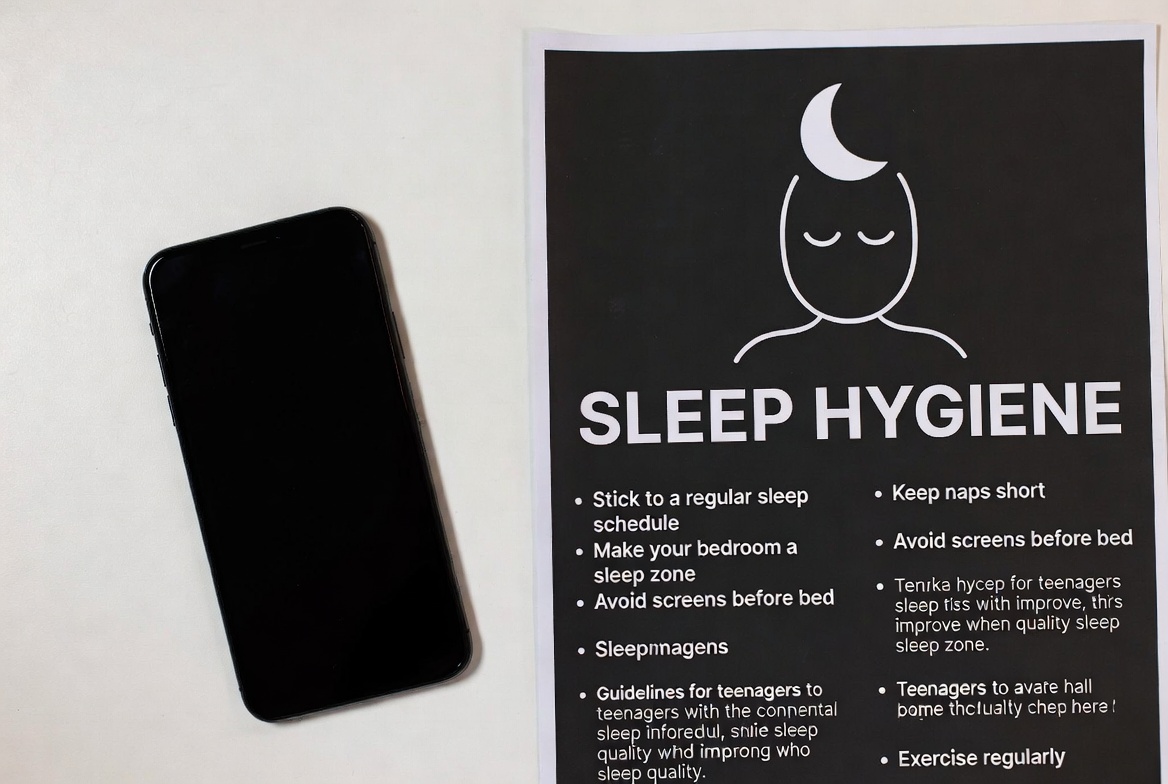
The challenge feels immense. How do you compete with the social pull of TikTok and the constant chatter of group chats? The answer is not a simple "just take the phone away," which often leads to conflict. It’s about building a smart, sustainable system that protects your teen's most valuable resource: their sleep. This article will provide you with a clear, science-backed understanding of the problem and a step-by-step plan to establish healthy phone and sleep hygiene for teens, helping them—and you—reclaim a good night's rest.
Why Phones and Sleep Are Mortal Enemies: The Science of Blue Light
To effectively address this issue, we must first understand the mechanics at play. The core of the problem lies in a specific type of light and a crucial brain hormone.
Our brains rely on a natural sleep-wake cycle called the circadian rhythm. As evening approaches, the pineal gland begins producing melatonin, a hormone that signals to our body that it's time to wind down and prepare for sleep. The blue light emitted by phone, tablet, and laptop screens is uniquely disruptive to this process.
Research from Harvard Medical School has shown that blue light is particularly effective at suppressing melatonin secretion. When your teen scrolls through their phone in bed, their brain receives a signal similar to daylight. It tells the body, "It's still daytime! Stay awake!" This delays the onset of sleep, shortens the overall duration of sleep, and reduces the quality of restorative REM sleep. The result is a teen who is physically exhausted but mentally wired, creating a frustrating cycle of fatigue.
The Consequences: More Than Just Yawning
The impact of poor sleep extends far beyond a grumpy morning. Consistently poor phone and sleep hygiene for teens has serious, tangible consequences for their health and development.
Academic Performance: Sleep is essential for memory consolidation. A tired brain cannot effectively process and store the information learned during the day, leading to lower grades and difficulty concentrating.
Mental Health: There is a strong, documented link between sleep deprivation and increased rates of anxiety, depression, and irritability in adolescents. A sleep-deprived brain is less equipped to manage emotional responses.
Physical Health: Chronic sleep loss can weaken the immune system, increase the risk of obesity, and negatively affect growth and development.
Safety: Drowsiness impairs reaction time and judgment, similar to the effects of alcohol, which is a significant concern for teen drivers.
Understanding these high stakes transforms the conversation from a nagging about screen time to a critical discussion about health and safety.
The First Line of Defense: Establishing a Family Sleep Agreement
The most effective strategy is a proactive, collaborative one. Imposing strict rules without context often leads to rebellion. Instead, sit down as a family and create a "Family Sleep Agreement."
This agreement should be a two-way conversation. Explain the science you've just learned. Discuss the real-world consequences you've all observed. Then, work together to set non-negotiable boundaries. Key components should include:
A Universal Device Curfew: All family devices, including parents' phones, are charged overnight in a common area like the kitchen or living room. This removes temptation and eliminates nighttime notifications.
A "Power-Down Hour": Establish the 60 minutes before bed as a screen-free wind-down period. This allows melatonin levels to rise naturally.
Bedrooms as Screen-Free Sanctuaries: Make the bedroom a place for sleep, not for scrolling. This is the single most important rule for improving phone and sleep hygiene for teens.
Leveraging Technology: Built-In Phone Settings for Better Sleep
Fortunately, the very devices causing the problem also contain tools to help solve it. Guide your teen in setting up these features on their phone.
For iPhone Users:
Night Shift: Go to Settings > Display & Brightness > Night Shift. You can schedule this to automatically shift the colors of the display to the warmer end of the spectrum after sunset.
Do Not Disturb: Use Settings > Focus > Do Not Disturb to create a schedule that silences all calls, alerts, and notifications during sleep hours. You can allow calls from specific contacts, like parents, in case of emergency.
For Android Users:
Bedtime Mode: Navigate to Settings > Digital Wellbeing > Bedtime Mode. This mode can turn the screen to grayscale and silence notifications on a schedule, making the phone less visually stimulating.
Blue Light Filter: Many Android devices have a built-in blue light filter (often called "Eye Comfort Shield" or "Night Light") that can be scheduled in the display settings.
When You Need Reinforcement: The Role of Parental Control Apps
For some families, especially with younger teens or those who struggle to adhere to the rules, built-in features may not be enough. Parental control apps can provide an external layer of accountability and enforcement, ensuring the Family Sleep Agreement is upheld. Here are three options that can help.
mSpy: For Comprehensive Oversight and Scheduling
mSpy is a powerful, all-in-one monitoring solution that goes far beyond simple screen time limits, providing deep insight into your teen's device usage patterns.

Key Features for Sleep:
App Blocking & Usage Reports: See exactly which apps are being used and for how long. You can remotely block access to specific apps (like social media or games) during set hours, enforcing your wind-down period.
Screen Time Scheduling: Set strict time limits for overall device use, automatically locking the phone during designated sleep hours.
Website Filtering: Block distracting or inappropriate websites that might tempt your teen to stay online.
mSpy offers a high level of control for parents who need to establish and enforce strict digital boundaries for their teen's well-being.
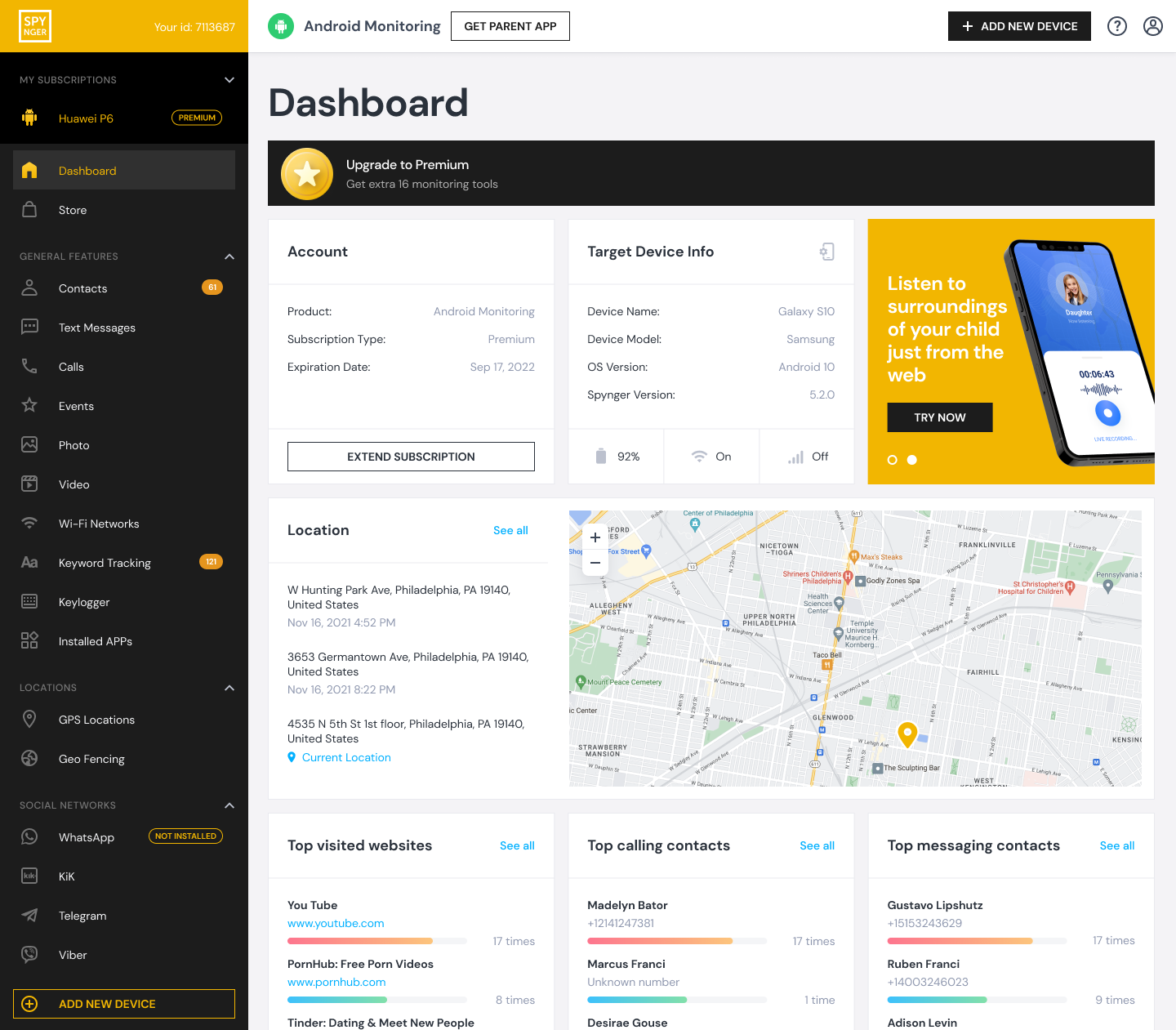
Spynger: For Discreet Monitoring and Remote Control
Spynger provides a robust set of monitoring tools with a focus on remote management and discreet operation, giving parents peace of mind.
Key Features for Sleep:
Remote Screen Lock: With a single click in your control panel, you can instantly lock your teen's device at bedtime, overriding any resistance.
Application Management: View all installed apps and block them individually or by category according to your schedule.
Keylogger: Understand what your teen is searching for or typing late at night, which can provide context for conversations about their habits.
Spynger is an effective tool for parents who want the ability to take immediate, remote action to protect their teen's sleep schedule.
Scannero.io: For Location Safety and Geofenced Alerts
While Scannero.io's primary strength is location tracking, its features can be ingeniously applied to support a sleep routine, particularly for parents of older teens.
Key Features for Sleep:
Geofencing: Set a virtual boundary around your home. You can receive an instant notification if your teen's phone (and presumably, your teen) leaves the house after the designated bedtime, a clear indicator of a broken rule.
Location Tracking: Verify that your teen is safely at home during the night.
SMS Tracking: Monitor for late-night texting that could be disrupting sleep.
Scannero.io is a valuable option for parents who are equally concerned about physical safety and adherence to household routines.
Creating a Healthy Pre-Sleep Routine: Alternatives to Screens
The vacuum left by removing the phone must be filled with positive, calming activities. Encourage your teen to develop a pre-sleep ritual that doesn't involve a screen. This could include:
Reading a physical book.
Listening to calming music or a podcast (using a device that stays in the common area).
Taking a warm shower or bath.
Journaling or practicing light stretching.
Simply talking with family members.
Conclusion
Improving your teen's phone and sleep hygiene for teens is one of the most significant investments you can make in their physical health, mental well-being, and academic success. It requires consistency, communication, and sometimes, the support of the right tools. The path may have some resistance, but the outcome—a well-rested, happier, and healthier teenager—is worth the effort.
Start tonight. Have the conversation. Implement the device curfew. Choose one strategy and build from there. You have the power to silence the sleep thief and give your teen the rest they need to thrive.
Frequently Asked Questions (FAQs)
1. My teen says they need their phone for an alarm clock. What's the solution?
This is a common excuse. The simple solution is to buy an inexpensive, traditional alarm clock. This removes the primary justification for having the phone in the bedroom and eliminates the temptation entirely.
2. What if my teen has homework that requires a computer late at night?
This is a valid challenge. In this case, the goal is mitigation. Ensure they use the built-in blue light filters (like Night Shift or Night Light) at maximum strength. Encourage them to complete screen-based work earlier in the evening and save offline work, like reading from a textbook, for the final hour before bed.
3. Are these parental control apps an invasion of privacy?
This depends on your approach. For younger teens, it's a matter of safety and habit-building, much like holding their hand when crossing the street. For older teens, transparency is crucial. Explain that the app is not for spying, but for helping them stick to the healthy sleep boundaries you've agreed upon as a family. The goal is to foster self-regulation, with the app serving as a temporary training tool.