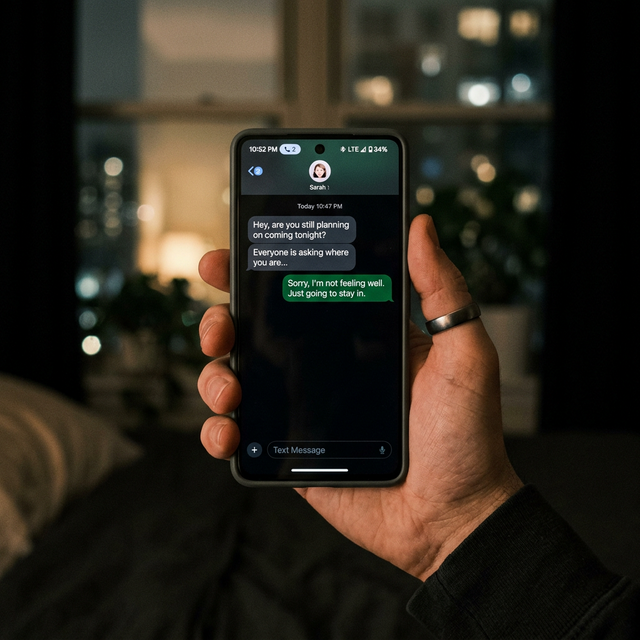
The glow of a smartphone screen at 2 AM. The constant buzz of notifications during family dinner. The heated arguments when you ask them to put their device away. If these scenes feel familiar in your home with teenagers, you're not alone. As a family digital wellness consultant with over ten years of experience working with parents and teens, I've witnessed how screen time conflicts can dominate family life. The teenage years bring unique challenges—your child needs more independence, yet their brain is still developing the impulse control to manage technology responsibly.
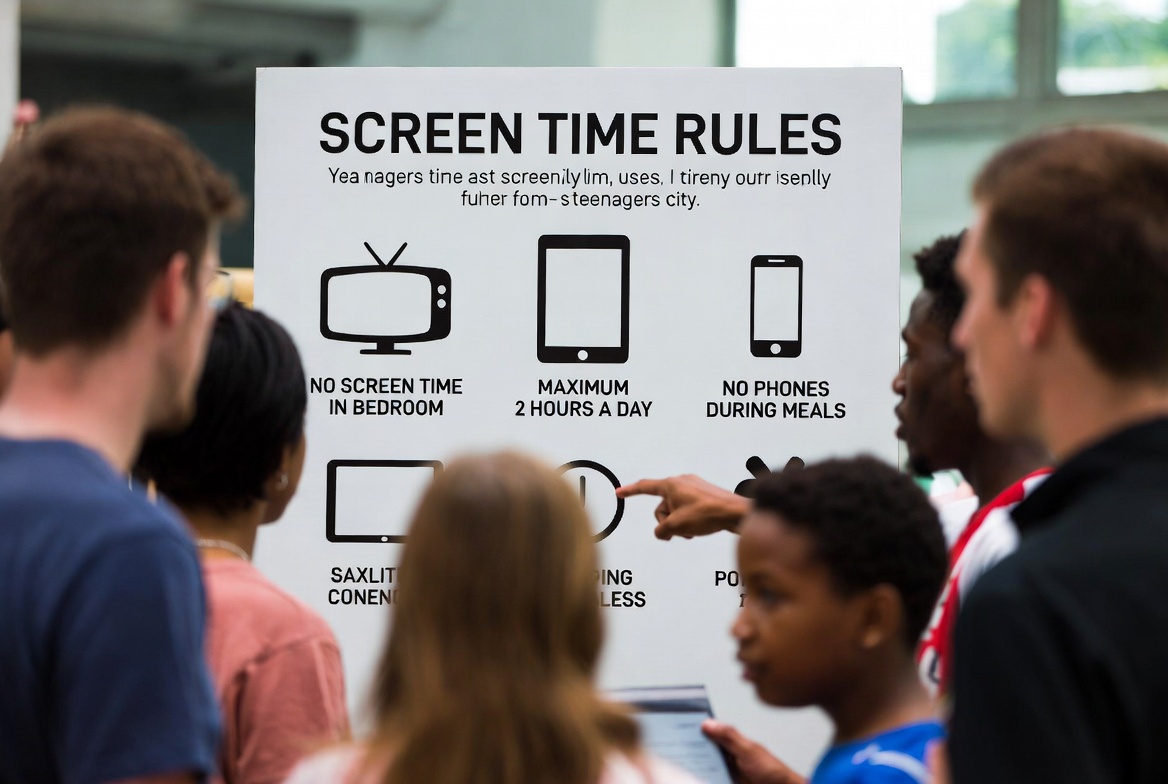
The old approach of simply limiting hours often fails with teenagers. They need something more sophisticated: a framework that respects their growing autonomy while protecting their well-being. Establishing effective screen time rules for teenagers is less about restriction and more about teaching lifelong digital citizenship skills. This comprehensive guide will provide you with a practical, modern approach. We'll move beyond simple time limits to discuss content quality, digital safety, and the tools that can help enforce your family's values. My goal is to help you transform screen time conflicts into opportunities for connection and education.
Why Teen Screen Time Requires a Different Approach
Before implementing any rules, it's crucial to understand why teenagers present unique challenges. The adolescent brain is wired for social connection and immediate reward, making social media and gaming particularly compelling. According to a 2023 Pew Research Center study, 95% of teenagers have access to a smartphone, and nearly half say they're online "almost constantly." This constant connectivity comes with real risks:
Sleep Disruption: The blue light from screens suppresses melatonin production, directly impacting sleep quality during a critical developmental period
Mental Health Impacts: Multiple studies have linked heavy social media use with increased rates of anxiety, depression, and poor body image
Academic Consequences: Multitasking with devices during homework leads to poorer learning outcomes and longer completion times
Social Skill Development: Excessive screen use can limit opportunities for developing face-to-face communication skills
Understanding these risks isn't about creating fear—it's about recognizing why thoughtful screen time rules for teenagers are essential for their healthy development.
Foundation First: Creating a Family Media Agreement
With teenagers, imposition rarely works as well as collaboration. The most effective approach begins with creating a Family Media Agreement—a negotiated set of guidelines that everyone helps create and agrees to follow.
Schedule a Family Meeting: Choose a calm time without distractions to discuss digital habits and concerns.
Listen First: Ask your teen about their perspective—what they value about their screen time, how it helps them connect with friends, and what they think reasonable limits might be.
Establish Non-Negotiables: These are safety and health boundaries everyone must follow, such as no devices during meals, no screens in bedrooms overnight, and mandatory breaks during homework.
Define Consequences Together: Agree on reasonable consequences for breaking the rules, ensuring they're proportional and consistently enforced.
This collaborative approach transforms screen time management from a power struggle into a shared responsibility, increasing the likelihood your teen will buy into the screen time rules for teenagers you establish together.
Quality Over Quantity: Rethinking What Counts as Screen Time
Not all screen time is equal. An hour of creative video editing differs significantly from an hour of passive TikTok scrolling. Modern screen time management should focus more on content quality and context than simply counting minutes.
Creative vs. Consumptive Time: Encourage activities that involve creation (coding, digital art, writing) over purely consumptive behaviors (endless scrolling)
Social vs. Isolated Use: Recognize that for teenagers, screens are often their primary social space—video calls with friends have different value than solitary gaming
Educational Integration: Acknowledge that much of their schoolwork now requires screens, so blanket restrictions may be counterproductive
When developing your screen time rules for teenagers, consider categorizing different types of screen use and setting expectations accordingly. This nuanced approach shows your teen you understand and respect how they use technology.
Essential Screen Time Rules Every Teen Household Needs
While every family's rules will differ, certain foundational principles apply to most households with teenagers:
Device-Free Zones and Times: Establish specific areas (like bedrooms overnight) and times (such as during meals and the hour before bed) where screens are not permitted.
Homework First Policy: Make recreational screen time contingent on completed homework and household responsibilities.
Digital Curfew: Implement a time each evening when all devices are charged in a common area—not in bedrooms.
Social Media Boundaries: Discuss appropriate posting behavior, privacy settings, and time limits for social platforms.
Regular Digital Detox: Schedule screen-free activities or days to help reset habits and encourage offline connections.
These core screen time rules for teenagers create a predictable structure while allowing flexibility for special circumstances and your teen's growing independence.
Technology as Your Ally: Using Parental Controls Effectively
While trust and communication are foundational, technology can provide crucial support in enforcing your family's screen time rules. The key is transparency—explain to your teen that these tools aren't about spying, but about helping everyone stick to the agreement you made together.
Built-in Solutions: iOS Screen Time and Google Family Link
Both major mobile operating systems offer robust parental controls that should be your starting point.
Apple Screen Time: Provides downtime scheduling, app time limits, and communication controls. The "Share Across Devices" feature helps manage total screen time regardless of which Apple device they're using.
Google Family Link: Allows you to set daily time limits, bedtime schedules, and specific app timers. You can also remotely lock your teen's device when needed.
These free tools work well for basic management but may lack the granular control some parents need, especially when teens are particularly determined to bypass restrictions.
When You Need Stronger Solutions: Dedicated Parental Control Apps
For families needing more comprehensive oversight or dealing with persistent rule-breaking, dedicated parental control applications offer more robust features.
mSpy: Comprehensive Monitoring for Concerned Parents
mSpy provides detailed insight into your teen's digital activity alongside powerful control features.
App Blocking and Scheduling: Remotely block distracting apps during homework hours or set specific time allowances
Website Filtering: Block inappropriate content and monitor browsing history
Social Media Monitoring: Track activity across platforms like Instagram, Snapchat, and WhatsApp
Screen Time Reports: Get detailed breakdowns of how time is spent across different apps and categories
mSpy is particularly valuable for parents who need visibility into potential risky behaviors while maintaining the ability to enforce screen time boundaries.
Moniterro: User-Friendly Management and Insights
Moniterro offers a balanced approach with powerful controls in an intuitive interface.
Web Filter and Blocker: Easily block distracting or inappropriate websites
App Usage Control: Set time limits for specific applications or categories
Screen Time Scheduling: Create custom schedules for device use
Browser History Tracking: Monitor visited websites even if history is cleared
Moniterro works well for parents who want robust control without an overwhelming number of features, making screen time management straightforward.
Scannero: Location Safety with Screen Management
While primarily a location tracking tool, Scannero includes useful screen time management features.

Website Blocking: Add specific websites to a block list
App Blocking: Control which applications can be used
Real-Time Location Tracking: Know your teen's whereabouts
Geofencing: Receive alerts when your teen arrives at or leaves specific locations
Scannero provides a good combination of digital and physical safety features for parents concerned about both screen time and their teen's whereabouts.
Choosing the Right Tools for Your Family
Selecting the appropriate technological support depends on your specific concerns and your relationship with your teen:
For Basic Management: Start with built-in iOS or Android controls
For Comprehensive Oversight: Choose mSpy for detailed monitoring
For Balanced, User-Friendly Control: Moniterro offers a great middle ground
For Combined Digital and Location Safety: Scannero provides dual protection
Maintaining Connection Beyond the Screen
The most effective screen time strategy involves replacing screen activities with appealing alternatives. Regular family activities, encouraging in-person friendships, and supporting offline hobbies all help reduce dependence on digital entertainment. Remember that your teen is watching your screen habits too—modeling the behavior you want to see is one of the most powerful teaching tools available.
Conclusion
Establishing effective screen time rules for teenagers is an ongoing process that evolves as your child matures. By combining open communication, clear boundaries, and appropriate technological support, you can help your teen develop a healthy relationship with technology that will serve them throughout their life.
The goal isn't to eliminate screens but to integrate them responsibly into your family's life. Start today by having that first conversation, exploring the tools that fit your needs, and taking the first step toward more harmonious screen time management in your home.
Frequently Asked Questions (FAQs)
1. My teenager says all their friends have unlimited screen time. How do I handle this?
Acknowledge their feelings while standing by your family's values. Explain that every family has different rules, and yours are based on their health and well-being. Share the research about sleep and mental health impacts, and consider negotiating specific privileges as they demonstrate responsibility.
2. What should I do if my teen constantly bypasses the parental controls?
This is a sign that you need to revisit both your conversation and your tools. Have a calm discussion about why they feel the need to circumvent the rules. Technologically, consider upgrading to a more robust solution like mSpy that's harder to bypass, while addressing the underlying trust issues.
3. How much screen time is reasonable for a teenager?
There's no universal number, as it depends on the quality of screen use and what it's displacing. Focus on ensuring screens don't interfere with sleep (8-10 hours), physical activity (1 hour daily), schoolwork, and face-to-face social interaction. The American Academy of Pediatrics recommends consistent limits that prioritize these essential activities.