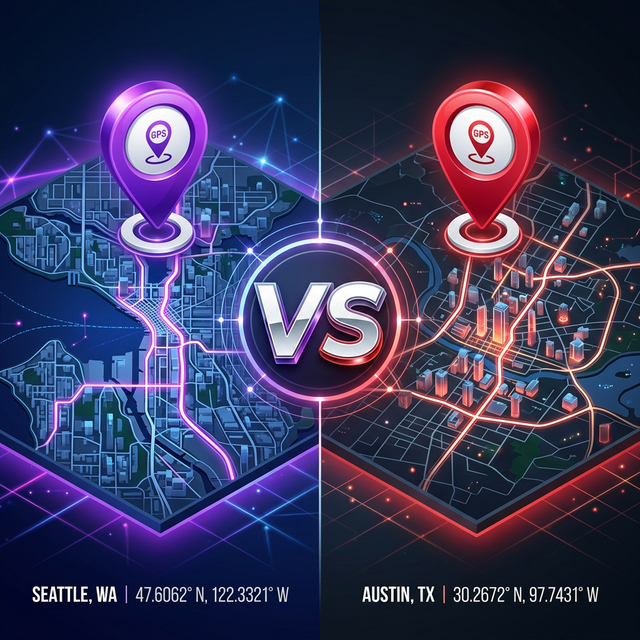
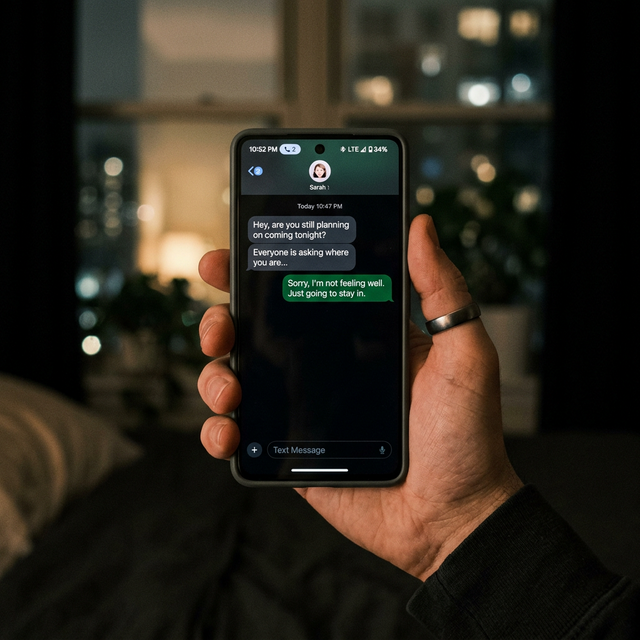
A location pin can answer “Did they reach practice?” but it cannot explain a delayed bus, a dead battery, or a changed plan. A useful family tracker app combines reliable location sharing with clear family rules and sensible alerts. It should reduce routine worry without turning every trip into surveillance.
This buying guide compares the features that matter in everyday use: place alerts, history, device support, battery impact, privacy, and price. It also explains when Apple or Google tools are enough and when a paid service earns its subscription.
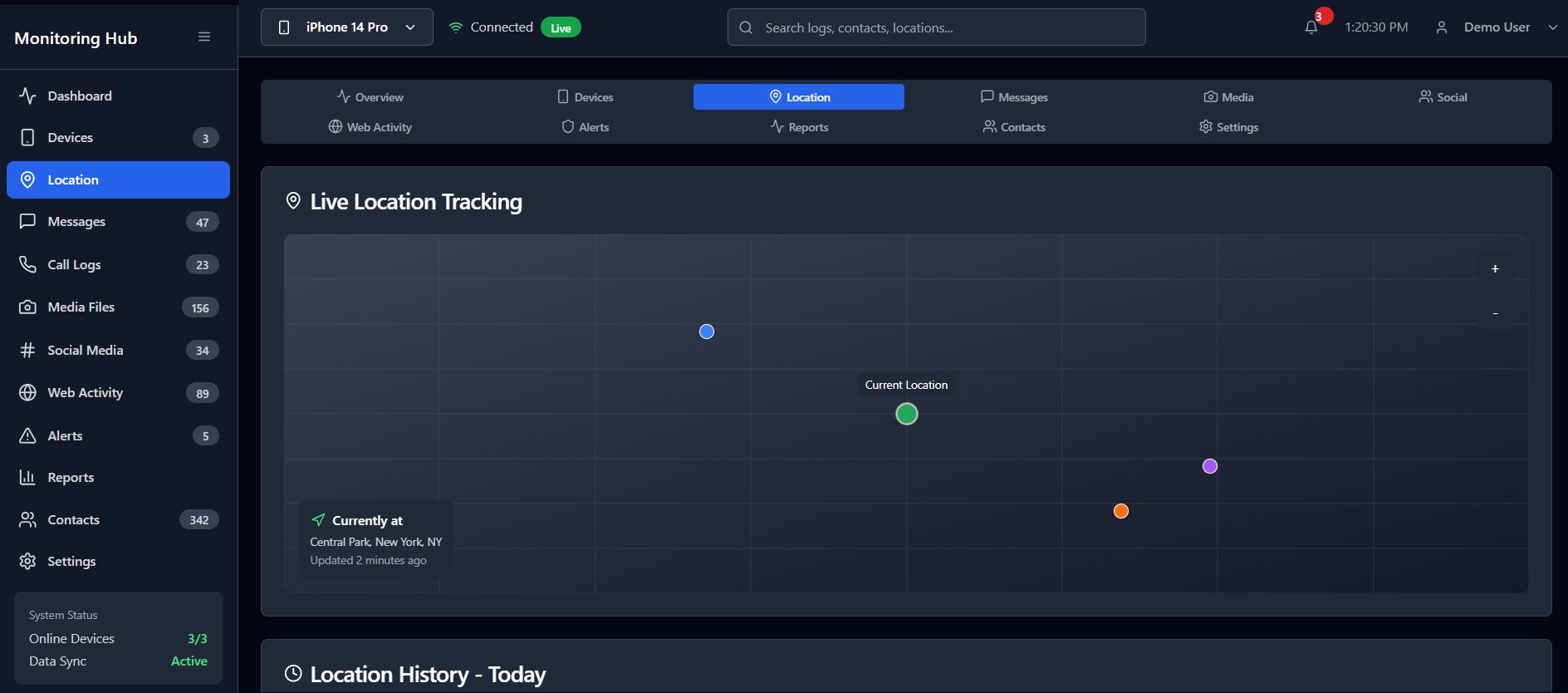
Affiliate disclosure: This article contains sponsored affiliate links. If you buy through one, Ultimate Phone Spy may receive a commission at no extra cost to you. Check current compatibility and terms before purchasing.
1. Quick answer: start with the journey you need to support
Do not choose a service because it shows the most data. Pick the smallest feature set that answers a recurring family need. Common examples include:
- Confirming that a child arrived at school or an activity.
- Coordinating pickup without repeated calls.
- Finding a misplaced family phone.
- Sharing location during travel or an outdoor event.
- Receiving a crash or driving alert for a new driver.
- Checking on an older relative who has agreed to share location.
Write down the two locations and two people involved in the routine. Then test whether Apple's Find My, Google Maps location sharing, or Google Family Link already handles it. Built-in tools are often enough for current location and basic family sharing.
A paid product becomes more useful when the family needs longer history, several place alerts, cross-platform support, driving information, or one dashboard for multiple relatives.
2. Compare location, places, and history separately
“Location tracking” can describe several different functions. Current location shows the phone's latest reported position. Place alerts notify a parent when the device enters or leaves an agreed area. History shows past movement for a limited period. Driving tools may add speed, trip, or crash-related information.
Life360's current plans, for example, vary in the amount of location history and number of place alerts included. Its free level currently lists limited history and place alerts, while paid tiers add more. Details can change, so use the live plan page when comparing.
For each family tracker app, ask:
- How fresh is the location under normal conditions?
- Can the parent adjust the size of a place boundary?
- How many places and family members are included?
- How long is history stored, and can it be deleted?
- Which features require a paid plan?
- Does it support both iPhone and Android in the same group?
3. Test accuracy and battery in real family conditions
GPS is only one input. Phones also use cellular networks, Wi-Fi, permissions, and background activity. Dense buildings, weak coverage, battery-saving mode, and disabled permissions can delay an update. A map should be treated as useful context, not perfect proof.
Run four tests before relying on the service:
- Walk or drive through the normal school or work route.
- Check an indoor location such as a large store or sports hall.
- Leave and return to a saved place to test both alerts.
- Use the phone for a full day and compare battery drain.
If alerts arrive late, check location permission, background refresh, mobile data, battery optimization, and notification settings. On iPhone, also check whether Precise Location is enabled for the service. On Android, manufacturer battery controls can stop background updates even when the app has permission.
Our iPhone family location-sharing guide and Android family tracking comparison explain the platform differences.
4. Set privacy boundaries before inviting the family
Location data reveals home, school, work, medical visits, and routines. Read how the provider stores, shares, and deletes that information. Use a unique password, enable multi-factor authentication when available, and remove old members from the family group promptly.
Agree on who can see whom. A teenager may share arrival alerts with a parent without every sibling seeing a continuous map. An older relative may prefer temporary sharing during a journey. Avoid adding a person without clear permission.
Create a rule for mistakes: a stale pin or missed alert should lead to a call or message, not an accusation. Phones are left behind, networks fail, and permissions change. The trust conversation guide can help parents explain the purpose and review date.
5. Compare free tools with paid family plans
Apple Find My works well in an Apple household and can help locate devices and people who agree to share. Google Maps supports cross-platform location sharing, while Family Link adds supervision for a child's compatible Android account. These options can cover basic needs without another subscription.
A paid family tracker app may justify its cost when it consistently solves a specific problem that native tools do not. Compare:
- Number of members and devices.
- Place alerts and location-history duration.
- Cross-platform setup.
- Driving, crash, roadside, or emergency features.
- Family messaging and check-in tools.
- Monthly versus annual price and cancellation.
Do not pay for driving features if the family has no driver to monitor. Do not choose a long history period unless there is a clear, agreed reason to retain it.
6. Review monitoring and security alternatives
Location is sometimes one part of a wider parental-control need. If the family also needs app limits, web controls, or risk alerts on a device it owns or is authorized to manage, compare services on the exact platform.
mSpy: location plus a broader dashboard
mSpy advertises GPS, geofencing, browsing information, app controls, and supported communication monitoring. Installation methods and available functions vary between Android and iPhone.
- Check the exact device and operating-system version.
- Confirm physical-access and account requirements.
- Verify the selected plan includes the features you need.
Eyezy: alerts, location, and activity context
Eyezy presents location, web activity, app controls, and configurable alerts for supported devices. It may suit parents who want possible-risk notifications alongside location tools.
- Compare iPhone and Android support separately.
- Review alert controls and data retention.
- Check renewal, cancellation, and support terms.
SPHNIX: authorized help after a security incident
SPHNIX is a marketplace for authorized cybersecurity work, not a location-sharing app. Consider it only when a device may be compromised and you need a scoped security assessment, incident response, or forensic service. Require written authorization and defined deliverables.
Browse authorized SPHNIX services
7. Use a two-week decision checklist
Install only one candidate at a time so battery and notification results are meaningful. During the trial:
- Invite only the people who have agreed to participate.
- Save two everyday places and test entry and exit alerts.
- Check the map after ordinary trips, not just ideal test routes.
- Record missed or duplicate alerts.
- Review battery use in the phone's settings.
- Test account recovery and remove a test member.
- Read the cancellation path before the trial converts to paid.
At the end, ask whether the service prevented calls, improved pickups, or added useful safety information. If nobody checks it or it creates more conflict than clarity, cancel it. More data is not automatically more safety.
Conclusion: reliability and consent matter more than map design
The right family tracker app should work across the household's actual phones, provide the few alerts the family needs, and make privacy controls easy to understand. Start with built-in Apple or Google sharing. Pay only for verified extras such as longer history, multiple places, cross-platform management, or driving features.
Run a real-world trial, explain the boundaries, and keep a backup contact plan. A location tool is most valuable when everyone knows why it is being used and what to do when it fails.
Frequently asked questions
1. What is the best family location app for iPhone and Android?
The best choice depends on the required alerts, history, device mix, and budget. Test cross-platform updates and battery impact before subscribing.
2. Can a location app work when a phone is off?
It cannot send a new live position when powered off. Some services show a last known location, which may no longer match the person's current position.
3. Why is a family member's location not updating?
Common causes include weak coverage, disabled location permission, battery optimization, background refresh limits, mobile-data settings, or an outdated app.
4. Is it legal to track a family member's phone?
Use location sharing only with appropriate permission and on devices you own or are legally authorized to manage. Requirements vary by jurisdiction and age.
5. How often should a location service update?
There is no single standard. Update frequency depends on the service, plan, permissions, network, battery settings, and movement. Test the normal family route before relying on it.