That moment of dread when you check your bank statement and see a string of charges from the App Store or Google Play is all too familiar for many parents. What was intended as a simple game for your child has suddenly turned into an expensive lesson in digital finance. A study by SuperData Research found that a significant portion of mobile game revenue comes from a small percentage of users, often making "whale"-sized purchases without full awareness of the cumulative cost.
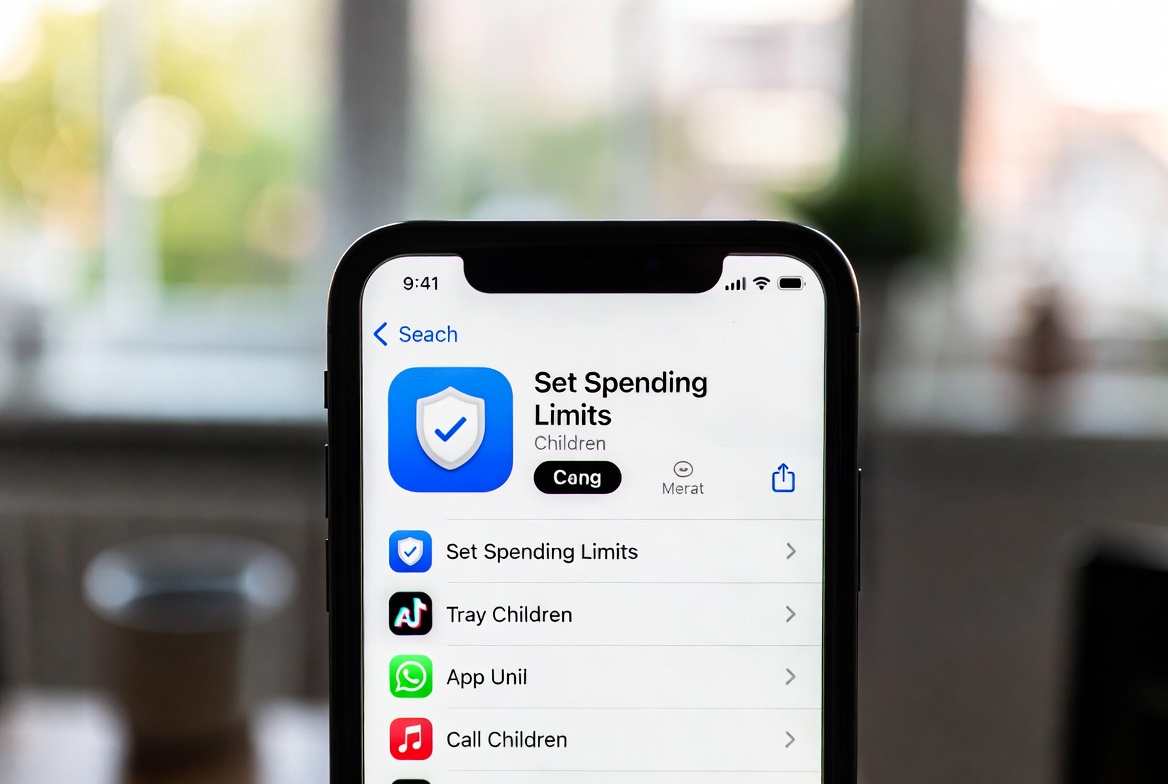
As a financial educator and digital parenting specialist with a decade of experience, I have seen the stress and conflict these unexpected charges cause. The good news is that you are not powerless. Modern devices and services offer powerful tools to prevent this. Learning how to set spending limits on app store for children is a simple yet profoundly effective strategy. This guide will walk you through the exact steps for both major platforms and introduce you to advanced tools that provide an extra layer of security and peace of mind, ensuring your child's digital fun doesn't come with a shocking price tag.
Why Proactive Spending Controls Are Essential for Modern Parenting
Mobile games and apps are expertly designed to encourage spending. They use virtual currencies, limited-time offers, and compelling gameplay loops that make "just one more purchase" incredibly tempting. For a child, the line between tapping a screen and spending real money is often blurred. They may not fully grasp that the "1,000 gems" they just bought for $9.99 is actual money coming from your account.
Establishing spending limits is not about distrusting your child; it's about teaching financial responsibility in a safe, controlled environment. It’s a digital equivalent of giving them a fixed allowance instead of an open-ended credit card. This proactive approach prevents financial surprises, reduces family conflict, and serves as a practical lesson in budgeting.
Your First Step: Mastering Built-in Platform Controls
The most direct and cost-effective way to manage spending is through the built-in features provided by Apple and Google. These should be the foundation of your strategy.
How to Set Spending Limits on the Apple App Store
Apple’s Family Sharing system is robust and allows for very precise control over how your children can spend money.
Set Up Family Sharing: Go to Settings > [Your Name] > Family Sharing. Tap Add Family Member and follow the prompts to create an account for your child.
Enable "Ask to Buy": This is the most crucial step. For any child under 18 in your Family Sharing group, you can turn on "Ask to Buy." This means any purchase or free download—including in-app purchases—requires your explicit approval on your own device. You will receive a notification and can approve or deny the request remotely.
Use Apple ID Balance for a Hard Limit: For a true spending cap, you can set spending limits on app store for children by using an Apple ID gift card.
Purchase a physical or digital gift card for a specific amount (e.g., $25).
Redeem it to your child’s Apple ID account.
In their Settings > [Their Name] > Media & Purchases, ensure Purchase Sharing is on. Their spending will now be deducted from this balance. Once the balance is zero, no further purchases can be made until you add more funds. This creates a perfect, pre-set budget.
How to Set Spending Limits on the Google Play Store
Google’s approach is similarly effective, centered around its Family Link app.
Install Google Family Link: Download the Family Link app on your phone and use it to create a Google Account for your child or link their existing account.
Require Authentication for All Purchases: In the Family Link app, select your child, go to Settings > Payments and subscriptions > Require authentication for purchases. Choose the strictest option, "All purchases," to ensure your password is needed for every transaction.
Approve or Block Specific Purchases: A powerful feature in Family Link is the ability to approve individual apps and games before your child can download them, even if they are free. This gives you total control over what enters their digital ecosystem.
Set a Monthly Allowance: Google allows you to set a monthly allowance for your child's Google Play account. You authorize a specific amount of money they can spend each month, providing a clear and recurring budget. This is one of the most direct methods to set spending limits on app store for children on the Android platform.
Beyond the App Store: The Role of Comprehensive Parental Control Apps
While built-in controls are excellent for managing direct purchases, they are part of a larger digital parenting picture. What if you need more oversight into your child's overall app usage, screen time, or online safety? This is where dedicated parental control applications add significant value. They don't replace the spending limits but complement them with a wider net of security and monitoring.
1. mSpy: For In-Depth Monitoring and Activity Oversight
mSpy is a powerful tool for parents who want a comprehensive view of their child's digital life, providing context around their app and game usage.

Key Features for Financial Safety:
App Blocking: Remotely block access to specific games or even the entire app store outside of designated times, preventing impulsive purchases during homework or late hours.
Keylogger and Alert Monitoring: mSpy can track keystrokes and monitor for specific keywords related to purchases or payment confirmations, alerting you to potential spending activity you might have missed.
Full App and Web Activity Reports: See exactly which apps your child is using most frequently and for how long, helping you identify which games might be the biggest spending risks.
Best For: Parents who want the highest level of oversight and are focused on understanding the full context of their child's digital behavior, not just controlling spending.
2. Eyezy: User-Friendly Control with a Clear Overview
Eyezy provides a clean, intuitive dashboard that makes it easy to manage your child's device, including the apps where spending can occur.

Key Features for Financial Safety:
App Blocker & Scheduler: Easily view all installed apps and block games or shopping apps with a single tap. You can also set schedules, for instance, blocking all games on school days.
Screen Time Tracker: Get a clear, visual breakdown of where your child's screen time is going. A sudden spike in a particular game can be a red flag for heavy engagement and potential spending.
Phone Analyzer: Review installed applications, photos, and other data to stay informed about the apps on your child's phone.
Best For: Families that want a powerful, all-in-one solution that is easy to navigate, helping them manage both time and potential financial risks on their child's device.
3. Parentaler: Straightforward App and Time Management
Parentaler focuses on core functionalities, offering direct control over the applications on your child's phone.

Key Features for Financial Safety:
App Usage Control: Instantly see all apps on your child's device and block any you deem inappropriate or high-risk for spending.
Screen Time Limit: Set overall daily limits for device use, which naturally curtails the time available for engaging with games that have in-app purchases.
Web Filter: Block access to websites where alternative purchases or downloads could occur, creating a more contained digital environment.
Best For: Parents seeking a simple, no-fuss application to directly block apps and manage screen time as a primary method of preventing unwanted spending.
The Human Element: Talking to Your Kids About Digital Money
Technology provides the tools, but education provides the understanding. Have ongoing conversations with your children about the value of money in the digital world.
Make it Concrete: Explain that the $4.99 for a game skin is the same as buying a snack at the store. It's real money.
Establish a "Ask First" Rule: Create a firm family policy: "You must always get permission before clicking anything that says 'buy,' 'purchase,' or 'subscribe,' even if it's with 'coins.'"
Review Statements Together: Periodically, go over the family's App Store or Google Play purchase history with your child. This transparency reinforces the connection between their actions and real-world finances.
Your Action Plan for Financial Digital Safety
Implement Immediately: Use the guides above to activate "Ask to Buy" on iOS or purchase authentication and monthly allowances in Google Family Link today.
Assess Your Needs: Decide if your family would benefit from the additional oversight provided by an app like mSpy, Eyezy, or Parentaler.
Start the Conversation: Talk to your child about the new rules and the reasons behind them, framing it as a lesson in responsibility.
Monitor and Adjust: Check your purchase histories regularly and adjust allowances or rules as your child matures and demonstrates financial responsibility.
Conclusion
The fear of unexpected app store charges can now be a thing of the past. You have the knowledge and the tools to create a safe financial framework for your child's digital life. By combining the powerful, built-in features of your device's app store with the comprehensive oversight of dedicated parental control apps, you can foster healthy digital habits and teach invaluable financial lessons. You now know exactly how to set spending limits on app store for children. Take action today to secure your finances and empower your child to become a savvy digital citizen.
Frequently Asked Questions (FAQs)
1. If I use "Ask to Buy" on iOS, can my child still make in-app purchases without my approval?
No, that is the primary purpose of "Ask to Buy." It requires your explicit approval for all purchases, including both new app downloads and any in-app purchases made within games and applications. You will receive a notification on your own Apple device to approve or deny each request.
2. Can my child change these spending limit settings if they know my device passcode?
This is a critical point. The spending limits and parental controls (like Family Sharing on iOS and Family Link on Android) are protected by a separate password—your Apple ID password or your Google Account password. Your device's unlock passcode should not allow them to change these higher-level settings. Never share your Apple ID or Google Account password with your child.
3. What's the difference between using built-in controls and a third-party app like mSpy for spending?
Built-in controls (like "Ask to Buy" and Family Link) are designed specifically to manage purchases and are the most effective tool for that direct purpose. Third-party apps like mSpy provide a wider safety net: they don't directly intercept the payment but allow you to block the apps themselves, monitor for purchase-related activity, and get a fuller picture of your child's digital behavior, which helps you understand the context in which spending might occur. They are complementary layers of protection