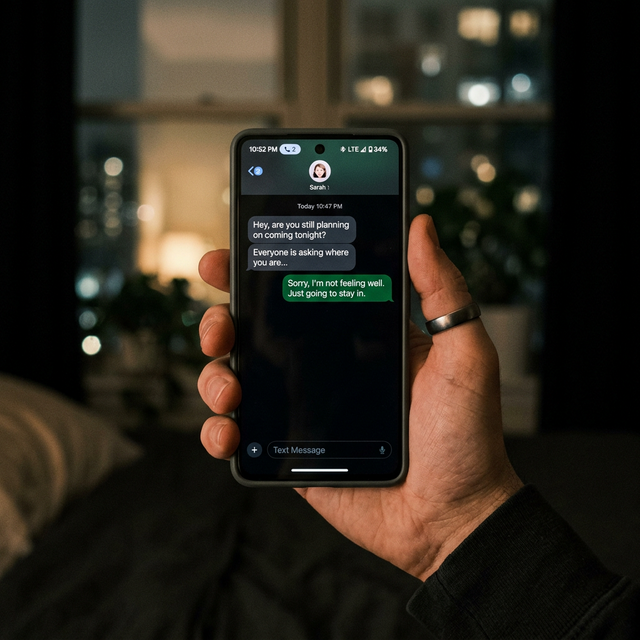
The glow of the screen. The intense concentration. The frustration when you ask them to put it away. If you're a parent in the digital age, you know this scene all too well. Mobile gaming is a powerful force, offering entertainment and social connection for our children, but it can also become a source of conflict and concern. As a digital parenting consultant with over a decade of experience, I've guided hundreds of families through the challenge of establishing healthy screen time habits.

The goal isn't to eliminate gaming entirely—that's neither practical nor necessary. The goal is to foster balance. In this comprehensive guide, I will share proven strategies and introduce you to powerful tools that can help you effectively limit gaming time on your kid's phone and reclaim a sense of harmony in your home.
Understanding the "Why": The Psychology Behind Mobile Gaming
Before we jump to solutions, it's crucial to understand what we're dealing with. Mobile games are not like the games of our childhood. They are meticulously designed by teams of psychologists and behavioral scientists to be engaging and, frankly, hard to put down. They employ powerful triggers:
Variable Rewards: The unpredictability of a win, a new item, or a level-up triggers a dopamine release in the brain, similar to a slot machine. This "what's next?" feeling is incredibly compelling.
Fear of Missing Out (FOMO): Many games have daily login bonuses or limited-time events. This makes children feel that if they don't play, they will fall behind their friends.
Social Connection: For many kids, gaming platforms are their social hubs. It's where they chat, collaborate, and build friendships.
Recognizing that you're not just fighting a game, but a sophisticated engagement engine, is the first step toward creating an effective management plan.
Strategy First: Building a Foundation for Healthy Habits
Technology is a tool, not a substitute for parenting. The most successful families combine clear communication and consistent rules with the technical controls we'll discuss later.
Open a Dialogue, Don't Dictate: Instead of announcing a new set of rules, have a conversation. Ask your child what they enjoy about their favorite games. Listen without judgment. Then, explain your concerns about sleep, homework, and physical activity. When kids feel heard, they are more likely to cooperate.
Create a Family Media Plan: Collaboratively establish clear guidelines. When is gaming allowed? For how long? What must be done first (e.g., homework, chores)? A visual chart or a signed "contract" can make these expectations clear and consistent for everyone.
Promote Balanced Alternatives: It's easier to pull a child away from a screen when there's something appealing to transition to. Encourage other activities like sports, board games, reading, or family outings. The goal is to make the real world as engaging as the virtual one.
The Power of Built-in Phone Features
Before investing in a third-party app, explore the robust parental controls already on your child's device. These are powerful first lines of defense.
For Apple iOS (Screen Time): Go to Settings > Screen Time. You can set "App Limits" for specific game categories or individual apps. The "Downtime" feature blocks all but essential apps during set hours (like bedtime). Most importantly, use "Content & Privacy Restrictions" to prevent them from installing new apps without your permission.
For Android (Google Family Link): This is Google's dedicated app for parental controls. It allows you to set daily screen time limits, approve or block apps from the Play Store, and remotely lock your child's device when it's time for a break or dinner.
These native tools are excellent for establishing basic boundaries, but some families need more granular control and oversight. This is where dedicated parental control apps come into play.
A Closer Look at Top Parental Control Apps
When built-in features aren't enough, specialized apps offer a deeper level of management and monitoring. Here are three of the most effective solutions I've reviewed in my practice, each with strengths for different parenting styles.
1. mSpy: For Comprehensive Monitoring and Oversight
mSpy is one of the most feature-rich applications on the market. It goes beyond simple time limits to provide a detailed view of your child's phone activity.

Key Features for Gaming:
App Blocking: Remotely block any game app instantly directly from your parent dashboard.
Screen Time Scheduling: Set specific times when the entire phone or selected games cannot be used.
Keylogger & Social Media Monitoring: This advanced feature lets you see what is being typed, which can help you understand the social dynamics within gaming platforms and watch for potential cyberbullying or predatory behavior.
Geofencing: Get alerts when your child arrives at or leaves a specific location, like school or home.
Best For: Parents who need a high level of oversight and are concerned about their child's safety and interactions online, not just their gaming time.
2. Eyezy: User-Friendly Control with a Powerful Dashboard
Eyezy stands out for its intuitive and modern user interface, making it easy for parents to navigate and manage their child's digital life. It offers a strong balance of control and monitoring features.

Key Features for Gaming:
App Blocker & Scheduler: Easily see all installed apps on your child's phone and set schedules for when they can or cannot be used. You can create a "blocked" list for games with a single tap.
Screen Time Tracker: Get a clear, visual breakdown of exactly how much time is being spent on each game and app.
Magic Alerts: Receive an instant notification if your child enters or leaves a designated area, ensuring they are where they are supposed to be.
Phone Analyzer: View their gallery, check calendars, and see browser history to get a full picture of their phone use.
Best For: Parents who want a powerful and comprehensive tool but prioritize an easy-to-use, clean interface.
3. Parentaler: Straightforward Time and App Management
Parentaler focuses on the core functionalities that most parents are looking for: controlling screen time and managing app usage. Its strength lies in its straightforward approach.

Key Features for Gaming:
App Usage Control: Instantly block distracting apps, including games, with a simple toggle switch from your parent phone.
Screen Time Limit: Set daily time allowances for the entire device or for specific app categories.
Location Tracking: Keep tabs on your child's whereabouts in real-time for peace of mind.
Web Filter: Block inappropriate websites to create a safer browsing environment alongside your gaming controls.
Best For: Parents who want a no-fuss, effective solution primarily focused on setting hard limits for apps and overall screen time.
Implementing Your Chosen Solution: A Step-by-Step Plan
Choose Your Tool: Decide whether to start with built-in controls or invest in a dedicated app based on your child's habits and your family's needs.
Install and Configure Together: Involve your child in the setup process. Explain that this tool is not about punishment, but about helping everyone stick to the Family Media Plan you created together.
Start with Clear Rules: Be explicit. "Your gaming apps will be blocked during school hours and shut off automatically at 9 PM on school nights."
Be Consistent: This is the most critical step. If you relent and give them "just five more minutes" every day, the system loses all its power.
Review and Adjust: Check the reports in your app weekly. Are the limits working? Is your child getting their responsibilities done? Use this data to have informed conversations and adjust the rules as needed.
The Bigger Picture: Fostering a Lifetime of Digital Wellness
Our ultimate mission is not to raise children who are simply obedient screen-users, but to equip them with the self-regulation skills they need for a lifetime. Use these tools as a scaffold, not a cage. Over time, as they demonstrate responsibility, gradually give them more control over their own time. The end goal is a young adult who can independently choose to put their phone down and engage with the world around them.
Your Call to Action: Start Today
You have the knowledge and you have the tools. The path to managing your child's mobile gaming habits is clear. Start by having that open conversation this evening. Draft your Family Media Plan this weekend. And explore the powerful apps I've recommended to find the one that fits your parenting style. You can limit gaming time on your kid's phone and transform screen time from a point of conflict into an area of managed, healthy enjoyment. The balance your family needs is within reach.
Frequently Asked Questions (FAQs)
1. At what age should I start using parental controls to limit gaming time?
It's never too early to establish good habits. For young children (under 10), simple built-in timer features and app-by-app approval are crucial. As children enter their pre-teen and teenage years and gain more independence, more comprehensive controls like those offered by mSpy, Eyezy, or Parentaler become valuable for managing increasingly complex digital lives.
2. My child is very tech-savvy and can find ways around the limits. What can I do?
This is a common challenge. Dedicated apps like mSpy offer stealth operation and are difficult to bypass without the parent's password. Furthermore, having an open conversation about trust and responsibility is key. Explain that circumventing the rules is a violation of that trust and will have clear, consistent consequences, such as losing phone privileges entirely for a period of time.
3. Will these apps work if my child uses a gaming VPN?
Many advanced parental control apps are designed to detect and report the use of VPNs. They can alert you if your child attempts to use a VPN to bypass your restrictions, allowing you to address the behavior directly. Always check the specific features of the app you choose regarding VPN detection.