It’s a familiar scene in modern households: the gentle glow of a screen illuminating a child’s face long after they should be asleep, or the struggle to pull them away from a game for a family meal. You’ve asked, you’ve pleaded, and you’ve set rules, but managing your child's digital life feels like an endless battle. You're not failing as a parent; you're competing with billion-dollar companies designed to capture and hold attention.
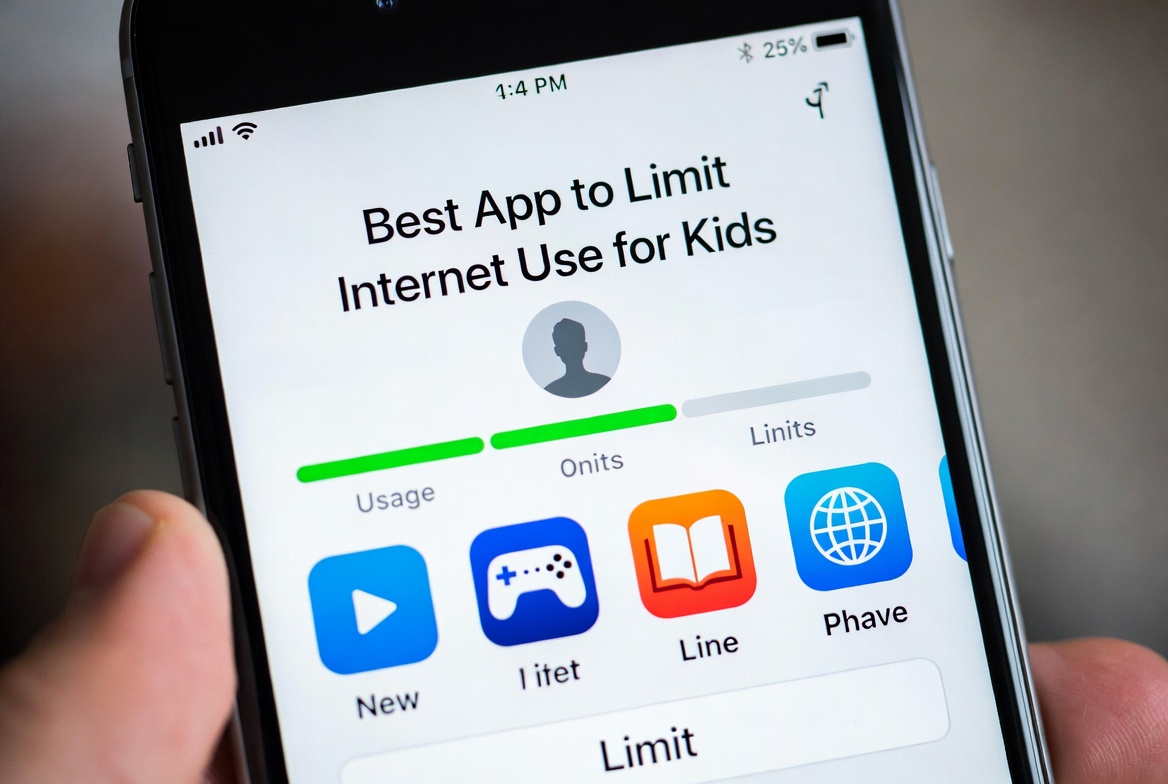
As a family digital wellness consultant with over ten years of experience, I’ve tested nearly every tool on the market. The constant question I hear from exhausted parents is, “What is the best app to limit internet use for kids?” The truth is, the “best” app depends on your specific goals. Are you trying to curb YouTube binges, enforce homework time, or monitor social media interactions?
This guide will cut through the noise. We will move beyond basic screen time counters and explore powerful applications that give you real control. I will break down the key features you need and provide detailed reviews of top-tier options, helping you choose the perfect tool to foster healthy digital habits in your home.
What Truly Makes an App Effective for Limiting Internet Use?
Before we look at specific apps, it's important to understand the core functionalities that separate a simple timer from a robust management tool. A high-quality app should offer a combination of the following:
Reliable Time Limits: The ability to set hard stops on overall device use or specific applications.
Flexible Scheduling: Pre-set "downtime" for bedtime, school hours, or family meals when the internet is paused.
Content Filtering: Blocking access to inappropriate websites and apps across all browsers.
Remote Management: The power to pause the internet or adjust settings from your own phone, no matter where you are.
Detailed Activity Reports: Insight into how time is actually spent, which is crucial for having informed conversations with your child.
An app that combines these features moves you from a passive observer to an active manager of your child's digital environment.
Built-In Options: A Good First Step
Both Apple and Google offer free, built-in tools that are a great starting point for many families.
Apple’s Screen Time: For iPhones and iPads, this is a powerful, native solution. You can set App Limits, schedule Downtime, and set Content & Privacy restrictions directly from your own iPhone, linked through Family Sharing.
Google Family Link: This is Google's answer for managing Android devices and Chromebooks. It allows you to set time limits, manage apps, and remotely lock your child's device.
The Limitation: While excellent for basic control, these built-in options can sometimes be circumvented by a determined child. They also lack the deep social media monitoring and stealth capabilities that some parents require for older children facing more complex online risks.
Top Contender for Comprehensive Monitoring: mSpy
When your concerns extend beyond simple time limits to what your child is doing online, mSpy is a industry-leading solution. It is designed for parents who need a detailed view of digital activity to protect their children from hidden dangers.

Key Features for Limiting and Monitoring Use:
App Blocking: Remotely block any application on your child's device, from social media to games.
Keylogger Function: This records every keystroke made on the device, allowing you to see search terms and messages, even if they are deleted.
Social Media & Message Monitoring: Track activity on platforms like Snapchat, Instagram, WhatsApp, and Facebook, giving you insight into conversations and potential risks.
Website Filtering: Block access to specific or categories of websites directly from the device.
mSpy is more than a limiter; it's a comprehensive monitoring tool ideal for parents of teenagers who need to be aware of interactions with strangers, cyberbullying, or exposure to inappropriate content.
Top Contender for Location & Simplicity: Scannero.io
Sometimes, your primary need is to manage when and where your child can be online, especially in relation to their physical location. Scannero.io offers a unique, straightforward approach that complements traditional screen time apps.
Key Features for Limiting and Monitoring Use:
Location-Based Geofencing: Set up virtual boundaries (e.g., school, home). You can receive alerts when your child arrives or leaves, and create automated rules—like pausing internet during school hours.
SMS Location Requests: Send a discreet SMS to your child's phone to receive its immediate location, which is useful for ensuring they are where they are supposed to be before granting more screen time.
Simple Interface: The focus is on ease of use, making it less about complex data and more about immediate, actionable information.
Scannero is an excellent choice for parents who want to enforce digital boundaries based on location and appreciate a no-fuss tool.
Top Contender for Balanced All-in-One Control: Moniterro
For parents seeking a strong balance between robust monitoring and user-friendly device management, Moniterro is a standout choice. It provides many of the powerful features of mSpy with an interface that is often praised for its clarity.

Key Features for Limiting and Monitoring Use:
App and Website Blocking: Instantly block distracting apps or inappropriate websites remotely from your dashboard.
Screen Time Scheduling: Set specific time limits for overall device use or for particular applications.
Social Media Tracking: Monitor chats and posts across a wide range of popular platforms to safeguard against online threats.
Remote Control: With a single click, you can lock your child's device, a perfect feature for enforcing dinnertime or homework hour.
Moniterro acts as a true central command center, making it a strong candidate for the best app to limit internet use for kids for parents who want comprehensive oversight without feeling overwhelmed.
How to Choose the Right App for Your Family
Selecting the right tool is a personal decision. Ask yourself these questions:
What is my child's age? For younger children, simpler time limits and content filters are key. For teenagers, social media monitoring and detailed reports become more critical.
What are my biggest concerns? Is it overall screen time, distraction from homework, exposure to inappropriate content, or their physical safety when out with friends?
What is my technical comfort level? Some apps offer more features but have a steeper learning curve. Choose one you feel confident operating.
Beyond the App: Fostering Healthy Digital Habits
No app can replace open communication. The goal of these tools is not to create a prison of surveillance but to provide the structure and safety net needed for your child to learn responsible digital citizenship.
Be Transparent: Have an age-appropriate conversation with your child about why you are using the app. Frame it as a tool for safety and health, not punishment.
Review Reports Together: Use the activity reports as a conversation starter, not just as evidence. Discuss healthy choices and the reasons behind your family's rules.
Model Good Behavior: Follow your own screen time rules. Show your children that you, too, can put your phone down to be present.
Conclusion
The digital world is not going away, but that doesn't mean you have to surrender to it. You have the power and the right to guide your child's online experiences. By choosing the right tool—whether it's the comprehensive oversight of mSpy, the location-focused simplicity of Scannero, or the balanced control of Moniterro—you can stop the arguments and start fostering a healthier relationship with technology.
Don't let another day of screen time struggles go by. You can move from feeling frustrated to feeling empowered.
Choose the solution that fits your family’s needs. Explore the features of mSpy, Scannero, or Moniterro today and take the first step toward a more balanced digital life for your child.
Frequently Asked Questions (FAQs)
1. Is it wrong to monitor my child's phone without them knowing?
While the intention is protection, secrecy can severely damage trust, especially with teenagers. A transparent approach is almost always more effective. Explain that monitoring is a condition for having a phone, focused on safety, not a lack of trust. This fosters responsibility rather than resentment.
2. Can my child disable or bypass these apps?
High-quality apps like mSpy and Moniterro are designed to be stealthy and difficult to remove without the parent's password. They often run in the background and do not appear in the device's app list. However, maintaining an open dialogue about why the app is there reduces your child's desire to bypass it.
3. Will these apps work if my child uses cellular data instead of WiFi?
Yes, this is a key advantage of device-based apps over simple router controls. Apps like mSpy, Scannero, and Moniterro are installed directly on the device and will monitor activity and enforce rules regardless of whether the device is connected to your home WiFi, a school network, or cellular data.