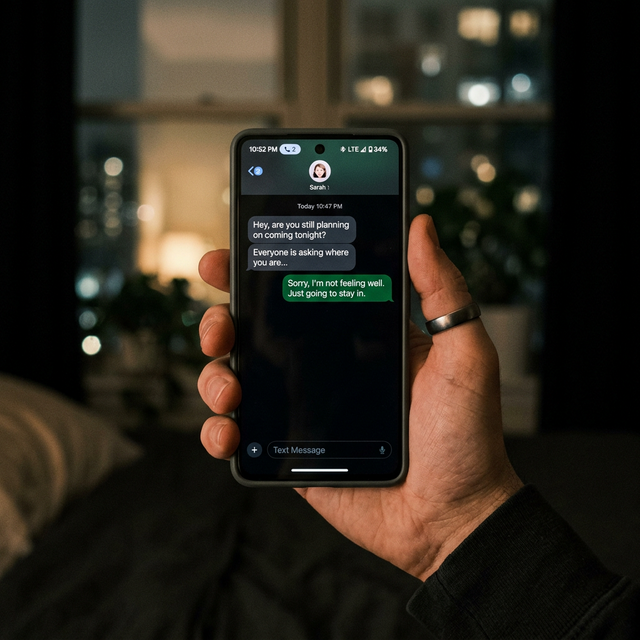
It starts innocently enough. A game to pass the time, a video to keep them occupied. But soon, the iPhone becomes a central part of your child's world—and a source of constant negotiation. "Five more minutes" turns into thirty, and you're left wondering what they're actually doing on that device. You've heard Apple has built-in tools to help, but the settings menus feel like a maze.
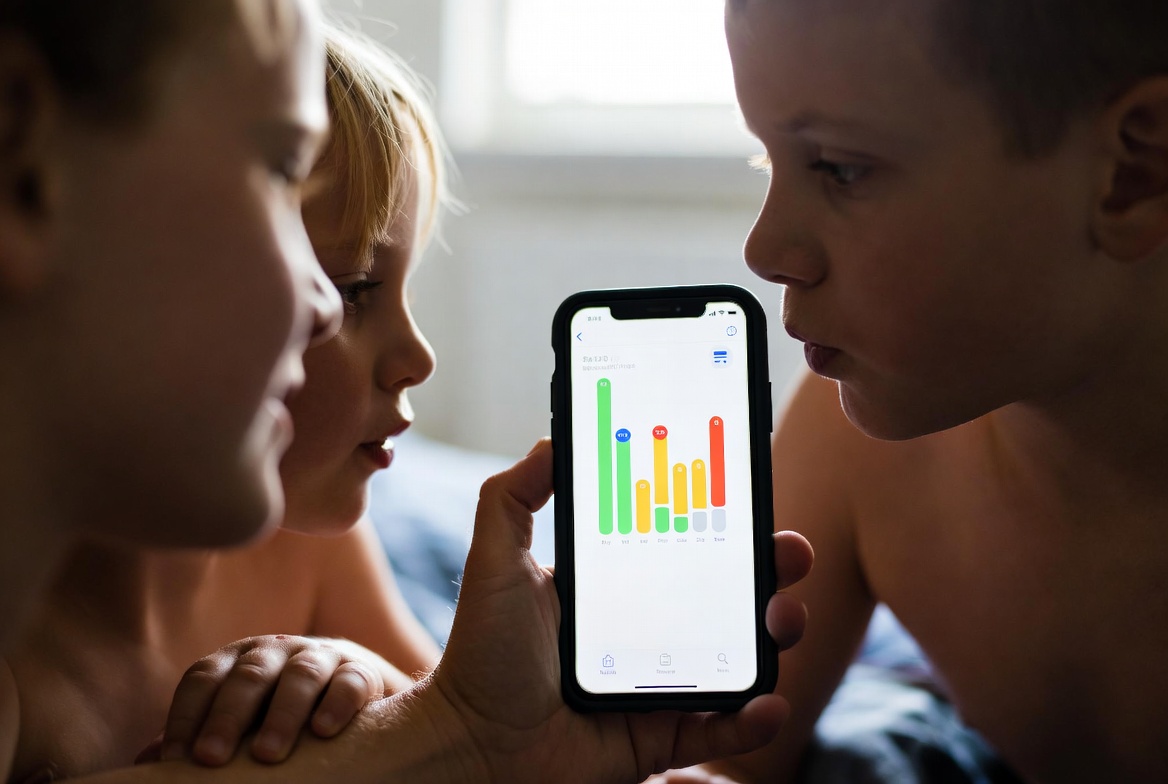
For ten years, I've guided families through the complexities of raising children in a digital age. The single most powerful, yet underutilized, tool at an Apple-using parent's disposal is the integrated system of Family Sharing and Screen Time on iPhone. When configured correctly, this isn't just a simple timer; it's a comprehensive digital parenting framework. This article will serve as your masterclass. We will move beyond the standard advice and explore how to leverage Family Sharing and Screen Time on iPhone to its full potential, creating a safe, balanced, and manageable digital environment for your entire family.
Why Family Sharing is the Non-Negotiable Foundation
Think of Family Sharing as the command center for your family's Apple ecosystem. It's a free service that links up to six family members' Apple IDs together, creating a shared digital space. Without it, you cannot remotely manage your child's device or access the most powerful parental controls.
Setting up Family Sharing does several critical things:
It allows you to create a child Apple ID for your son or daughter, which you manage.
It enables Ask to Buy, requiring your approval for any app or media purchase.
It shares subscriptions like Apple Music, iCloud+, and Apple TV+.
Most importantly, it grants you administrative access to configure and monitor their Screen Time settings from your own iPhone.
Failing to set up Family Sharing is like trying to childproof a house without a key. You're locked out of the most effective controls.
A Step-by-Step Guide to Impenetrable Family Sharing Setup
Proper configuration is everything. Follow these steps precisely to ensure a secure foundation.
On your iPhone (the family organizer), go to Settings > [Your Name] > Family Sharing.
Tap Add Member > Create an Account for a Child.
Follow the prompts carefully. You will need to enter your child's birth date. For children under 13, this creates a child account with built-in parental protections.
Enter a payment method. This is required for Ask to Buy, even for free apps, as it verifies your identity as the parent.
Agree to the Parent Privacy Disclosure.
Once completed, your child will appear in your Family Sharing group. You are now ready to build the walls of your digital fortress with Screen Time.
Configuring Screen Time: The Four Pillars of Digital Safety
With Family Sharing active, you can configure your child's Screen Time directly from your own iPhone. Go to Settings > Screen Time and select your child's name under the Family section. Here, you will establish the four pillars of control.
Pillar 1: Downtime for Essential Digital Breaks
Downtime is your tool for creating mandatory, scheduled breaks from the screen. During this period, only phone calls and apps you specifically allow will be available.
Action: Tap Downtime and toggle it on.
Strategy: Set a consistent schedule. A good starting point is 9:00 PM to 7:00 AM on school nights. This protects sleep and establishes a clear "lights out" policy for the device.
Pillar 2: App Limits to Curb Overuse
While Downtime is a blanket restriction, App Limits allow for precision. You can set daily time allowances for specific app categories, like games or social media, without cutting off communication.
Action: Tap App Limits > Add Limit. Select categories like "Social Networking" and "Games."
Strategy: Use the "Customize Days" feature to allow for more flexibility on weekends. Consider leaving "Creativity" and "Productivity" apps unlimited to encourage positive phone use.
Pillar 3: Always Allowed Apps for Safety and Communication
This is a critical safety feature. The apps you list here will remain accessible even during Downtime or after an App Limit is reached.
Action: Tap Always Allowed.
Strategy: Only include essential apps: Phone, Messages, FaceTime, and Maps. This ensures your child can always contact you and be reached, maintaining a vital lifeline.
Pillar 4: Content & Privacy Restrictions: The Core of Online Safety
This section is the most important. It controls what your child can see, hear, and do on their device.
Action: Tap Content & Privacy Restrictions and toggle it on. You will be prompted to create a Screen Time Passcode. This code is vital. Make it unique and do not share it with your child.
Key Settings to Configure:
Content Restrictions:
Web Content: Choose "Limit Adult Websites" or the stricter "Allowed Websites Only."
Explicit Content: Disable this for music, podcasts, and movies.
Privacy Restrictions: Restrict app access to Location Services, Contacts, Photos, and Microphone for apps that don't need them.
Allow Changes: Set "Account Changes" to "Don't Allow" to prevent them from signing out of their managed Apple ID.
The Inherent Gaps: What Family Sharing and Screen Time Can't Do
As powerful as this system is, it was designed by Apple with a specific focus on privacy and device management, not comprehensive monitoring. After a decade in this field, I consistently see parents surprised by its limitations:
No Content Monitoring: You cannot read your child's iMessages, SMS texts, or see the content of their conversations on Instagram, Snapchat, or WhatsApp.
Limited Web Filtering: A tech-savvy child can download a alternative web browser that bypasses Safari's restrictions.
No Call or Message Logs: You can see how much time was spent in the Phone or Messages app, but not who they called or what they discussed.
No Location History: Find My shows their current location, but not where they have been throughout the day.
For true insight into your child's digital social life and communications, you need a dedicated parental control application that works alongside the native Apple tools.
mSpy: Filling the Communication Monitoring Gap
When your concern extends beyond screen time to who your child is talking to and what they are saying, mSpy is the industry leader. It provides the deep social insight that Family Sharing and Screen Time on iPhone deliberately omits.

Key Features Beyond Apple's Tools:
Social Media Monitoring: Access messages and chats from WhatsApp, Instagram, Snapchat, and Facebook Messenger.
SMS and Call Log Tracking: See full message history and detailed call logs.
Keylogger: Records every keystroke made on the device.
GPS Location with Geofencing: Get real-time location updates and set up boundary alerts.
Parentaler: Enhancing Screen Time and App Management
Parentaler is an excellent choice for parents who want to strengthen the screen time management features that Apple provides. It offers a more intuitive interface and robust controls for app blocking and scheduling.

Key Features Beyond Apple's Tools:
One-Tap App Blocker: Instantly block any application.
Advanced Screen Time Scheduler: Create detailed schedules for device locking.
Web Filtering: Block inappropriate websites across all browsers.
Panic Alert: A safety feature for your child to send an immediate alert.
Eyezy: Gaining Unmatched Context with Screen Insight
Eyezy offers a unique advantage by providing visual context of your child's phone activity. Its standout feature gives you a window into their screen that other tools cannot.

Key Features Beyond Apple's Tools:
Invisible Screen Recording: Takes periodic screenshots of the device's screen, showing you exactly what your child is viewing and doing.
Plans & Schedule View: See a visual timeline of your child's location and app usage.
File Finder: Access photos and videos stored on the device.
Conclusion
Your child's online safety is not a single switch you flip; it's a series of layers. The foundation is a properly configured system of Family Sharing and Screen Time on iPhone. This manages the device, the time, and the basic content. The next essential layer is a dedicated monitoring app like mSpy, Parentaler, or Eyezy, which provides the crucial insight into your child's digital social world and communications.
Don't stop at the basics. Take control today by meticulously setting up Family Sharing and Screen Time. Then, honestly assess your need for deeper awareness and choose the supplemental tool that gives you the peace of mind you deserve. In the digital age, a layered defense is the only true defense.
Frequently Asked Questions (FAQs)
1. My child disabled Screen Time by guessing the passcode. What can I do?
As the family organizer, you can reset it remotely. On your iPhone, go to Settings > Screen Time. Tap your child's name under the Family section, then tap Change Screen Time Passcode. You will be required to authenticate with your own Apple ID password to set a new, more secure code.
2. Can I use these third-party apps without my child knowing?
Technically, apps like mSpy and Eyezy can run in stealth mode. However, most child safety experts, including myself, strongly recommend having an open conversation with your child about monitoring. Framing it as a safety measure, rather than a spying tool, builds trust and is more sustainable in the long term.
3. Will these monitoring apps work if my child uses a different web browser like Chrome?
Yes, this is a key advantage of dedicated apps like mSpy and Eyezy. They monitor activity at the device level, not just within Safari. This means they can track browsing history, searches, and activity within Chrome and other third-party browsers, closing a significant loophole in Apple's native filters.