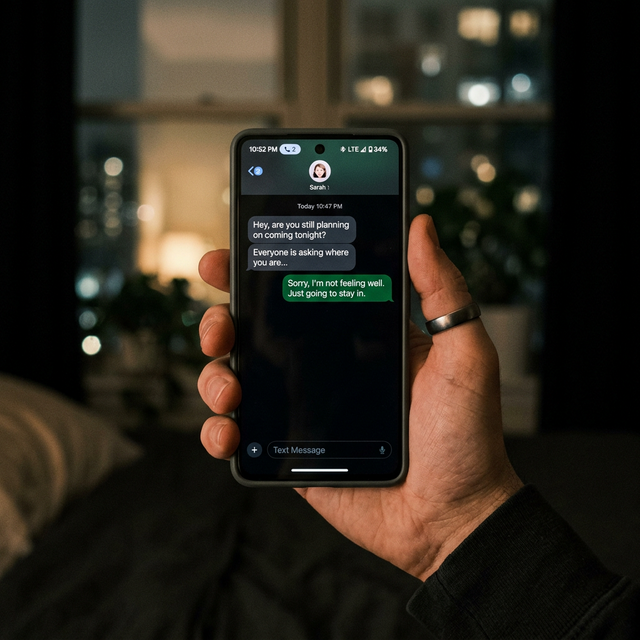
Remember that heart-stopping moment when you first handed your child a smartphone? That powerful little device connects them to a world of knowledge and friends, but also opens a portal to risks most parents never faced growing up. As our children navigate digital playgrounds, we're left wondering who they're talking to, what content they're seeing, and how to check your child's phone without damaging their trust. The good news: you're not alone in this struggle, and modern parenting tools have evolved far beyond simple screen time limits. This comprehensive guide will walk you through every aspect of how to check your child's phone effectively, using methods that respect both their safety and growing independence.
Why Monitoring Matters: More Than Just Snooping
Many parents feel conflicted about monitoring their children's devices, but understanding the very real digital dangers makes the case for thoughtful oversight compelling.
Protection from genuine threats: Online predators, cyberbullying, and inappropriate content aren't just abstract concepts—they're daily realities. Research indicates that 58% of teenagers have encountered cyberbullying, and exposure to adult content often happens accidentally during elementary years. Parental controls provide a crucial safety net against these hazards.
Promoting healthy habits: The average teen spends nearly seven hours daily on screens, not including schoolwork. This excessive usage is linked to sleep disruption, anxiety, and reduced physical activity. Monitoring tools help families establish balanced digital diets before unhealthy patterns become entrenched.
Staying connected: Modern parenting often means coordinating busy schedules and ensuring children arrive safely at their destinations. Location tracking provides peace of mind without constant texting, helping families stay connected throughout the day .
Leading child psychologists emphasize that monitoring works best when paired with conversation—not as a replacement for it. The goal isn't to create a surveillance state within your home, but to use tools that support open dialogue about digital citizenship.
Built-in Options: Your Phone's Native Controls
Before investing in third-party apps, explore the robust free tools already built into your child's device. These solutions offer substantial protection without additional costs.
Apple's Screen Time
For iPhone users, Apple's Screen Time provides comprehensive monitoring directly within iOS. Accessed through Settings, this feature enables you to:
View detailed daily and weekly activity reports showing time spent in specific apps and websites
Set time limits for app categories or individual applications
Schedule Downtime periods when only essential apps remain available
Restrict explicit content, purchases, and privacy settings across apps
Manage these controls remotely through Family Sharing when connected to your child's Apple ID
The strength of Screen Time lies in its seamless integration with Apple's ecosystem, offering reliable performance without compromising device security. However, it provides limited insight into message content and social media interactions compared to specialized third-party apps.
Google Family Link
Android users can leverage Google Family Link, Google's official parental control solution that helps guide children toward healthy digital habits:
Set screen time limits with flexible daily maximums and customized schedules for school hours and bedtime
Approve or block downloads from the Google Play Store
View app activity to see how much time is spent in each application
Manage privacy settings for your child's Google account
Track location as long as the device is powered on and connected
Family Link strikes a thoughtful balance between supervision and independence, especially for younger teens. As Google notes: "Family Link provides tools to manage your child's online experience, but it does not make the internet safe" . This acknowledgment highlights that tools supplement—rather than replace—parental guidance.
Table: Built-in Monitoring Options Comparison
Feature | Apple Screen Time | Google Family Link |
|---|---|---|
Cost | Free | Free |
Screen Time Limits | ✓ | ✓ |
Content Filtering | ✓ | ✓ |
App Management | ✓ | ✓ |
Location Tracking | Through Find My | ✓ |
Message Monitoring | Limited | Limited |
Social Media Insight | Basic | Basic |
Best For | Apple ecosystem families | Android-focused households |
Third-Party Monitoring Apps: When You Need More Insight
When built-in options don't provide enough visibility, specialized monitoring apps offer deeper insight into your child's digital world. These solutions particularly excel at monitoring social media and messaging apps where many digital risks emerge.
mSpy: Comprehensive Monitoring Power
As one of the most established names in parental monitoring, mSpy provides extensive oversight capabilities trusted by millions of parents worldwide:

Social media monitoring across all major platforms including Snapchat, Instagram, and WhatsApp
GPS location tracking with detailed history and geofencing alerts
Text message and call logging, even monitoring deleted communications
Keylogger functionality that records everything typed on the device
Remote control features allowing you to block apps or websites instantly
mSpy operates in discreet mode, making it invisible to the device user. This comprehensive approach makes it particularly valuable for parents of teenagers who may be experiencing risky online behaviors or resisting parental oversight.
Eyezy: Modern Interface with Powerful Features
Eyezy represents the next generation of parental control software, combining powerful monitoring with an intuitive user experience:
Social Spotlight comprehensively tracks interactions across social platforms
Pinpoint Locator provides real-time GPS tracking with location history
Magic Alerts notify you when specific keywords are used or locations are visited
Files Finder accesses photos and documents stored on the device
Invisible Shield ensures the app remains undetectable on the monitored phone
Eyezy's developers specifically designed the platform to address modern social media apps that previous-generation tools struggle to monitor effectively. Its dashboard presents information clearly, helping parents quickly identify potential concerns without sifting through excessive data.
Parentaler: Balanced Monitoring Solution
Parentaler strikes an effective balance between comprehensive monitoring and respect for privacy, making it ideal for families with teens who need guidance rather than intensive surveillance:

Call and text message monitoring with contact-based filtering
App usage tracking and time management features
Web browsing history with safe search enforcement
Location tracking with geofencing capabilities
Affordable pricing compared to premium solutions
Parentaler operates on the philosophy that monitoring should build trust rather than undermine it. The app provides necessary insight while avoiding unnecessarily invasive features, positioning it as a strong choice for parents of responsible teens who still need oversight.
Table: Third-Party Monitoring App Comparison
Feature | mSpy | Eyezy | Parentaler |
|---|---|---|---|
Starting Price | $9.83/month | $47.99/month | Varies |
Social Media Monitoring | ✓ Extensive | ✓ Modern platforms | ✓ Limited |
Location Tracking | ✓ With geofencing | ✓ Real-time with history | ✓ Basic |
Stealth Mode | ✓ | ✓ | ✗ |
Message Monitoring | ✓ Includes deleted | ✓ | ✓ |
Keylogger | ✓ | ✓ | ✗ |
Best For | Comprehensive oversight | Social media focus | Balanced approach |
Choosing the Right Solution for Your Family
Selecting monitoring software isn't one-size-fits-all. Consider these factors when determining which approach best suits your family's needs:
Age-Based Recommendations
Ages 6-10: Google Family Link or Apple Screen Time provide sufficient oversight with content filtering and time limits appropriate for younger children
Ages 11-14: Consider stepping up to Parentaler or Bark as children gain more digital independence but remain vulnerable to online risks
Ages 15-18: mSpy or Eyezy offer the comprehensive monitoring teens may require as they explore more mature apps and platforms
Key Selection Criteria
Device compatibility: Ensure the solution works with your child's specific operating system and version
Monitoring priorities: Identify whether social media, location tracking, or screen time management is your primary concern
Ease of use: Choose an interface you'll actually use consistently
Budget: Consider whether free built-in options provide sufficient protection before investing in paid solutions
Technical requirements: Some advanced features require jailbreaking (iOS) or sideloading (Android), which may void warranties or create security vulnerabilities
Legal and Ethical Considerations
Before implementing any monitoring solution, understand the legal and ethical dimensions:
Understanding Privacy Laws
In most jurisdictions, parents have the legal right to monitor minors in their care. However, regulations vary significantly:
United States: Generally permits monitoring of children under 18 on devices parents own
United Kingdom: Similar protections for parents monitoring minor children
European Union: More complex regulations under GDPR; recommend researching country-specific laws
Australia: Permits parental monitoring but with some restrictions on data collection
Legal expert Michael Chen cautions: "While parents typically have broad rights to monitor their minor children, these rights change significantly once children reach adulthood. Monitoring adult children without consent may violate wiretapping and privacy statutes" .
Ethical Monitoring Practices
Beyond legalities, consider these ethical guidelines:
Transparency over stealth: Whenever possible, explain to children why and how you're monitoring their devices
Proportional response: Match monitoring intensity to the child's age, maturity, and demonstrated responsibility
Respect growing independence: Gradually reduce surveillance as children demonstrate sound judgment
Focus on education: Use monitoring insights to teach better digital citizenship rather than just punishing infractions
Implementing Your Chosen Solution
Once you've selected the right monitoring approach, proper implementation ensures effectiveness while maintaining family trust.
Having the Conversation
How you introduce monitoring significantly impacts how children receive it:
Frame it as safety, not suspicion: "I'm setting this up because I care about your wellbeing, not because I distrust you"
Compare to real-world protections: "Just like I look both ways before you cross the street, I check your phone to watch for digital dangers"
Involve them in the process: Let children see what you're monitoring and how the tools work
Establish clear expectations: Explain what behaviors might lead to reduced monitoring over time
Technical Setup
Most monitoring solutions follow similar implementation patterns:
Create your account through the provider's website
Install the monitoring app on your child's device (may require physical access)
Configure permissions based on your monitoring priorities
Test the functionality to ensure everything works correctly
Set up your dashboard on your own device for regular checking
Even the most sophisticated tools have limitations. As PCMag notes in their parental control guide: "A curious child can defeat most restrictions. Experts say installing invasive software to spy on kids can be counterproductive" . Technology supports—but doesn't replace—active parenting.
Conclusion: Finding Your Family's Digital Balance
Learning how to check your child's phone represents a modern parenting essential in our connected world. The journey begins with understanding your options—from built-in tools like Apple Screen Time and Google Family Link to comprehensive solutions like mSpy, Eyezy, and Parentaler. Each family's perfect balance will differ based on children's ages, digital literacy, and specific risk factors.
The most successful approach combines technical tools with ongoing conversation. Monitoring works best when children understand it comes from concern rather than control. As your children demonstrate responsible digital behavior, consider gradually scaling back surveillance to honor their growing maturity.
Take action today by assessing your family's specific needs, exploring one solution that matches your priorities, and beginning an open conversation with your children about digital safety. The right tools combined with thoughtful communication can transform phone monitoring from a source of conflict to an opportunity for connection and guidance.
Frequently Asked Questions
Is it legal to monitor my child's phone?
In most countries, parents have the legal right to monitor minors in their care, particularly on devices the parents own. Laws typically change once children reach adulthood (usually 18), requiring consent for continued monitoring. Regulations vary by jurisdiction, so researching local laws is recommended .
Will my child know I'm monitoring their phone?
This depends on the solution you choose. Built-in options like Apple Screen Time and Google Family Link are visible to users. Many third-party apps offer stealth modes that operate invisibly, though ethical considerations around transparency remain important .
Can my child disable the monitoring software?
Built-in controls like Screen Time can be disabled if children know the passcode. Third-party solutions vary—some can be removed by sophisticated users, while others employ detection prevention measures. Open communication about why monitoring exists typically reduces resistance compared to covert approaches .
Do parental controls work on all apps?
Compatibility varies by solution. Most tools effectively monitor mainstream social platforms, but some encrypted apps present challenges. Research specific app coverage before selecting a solution if you have particular concerns about certain platforms .
How do balancing monitoring with trust?
Experts recommend age-appropriate transparency, using monitoring insights for teaching moments rather than punishment, and gradually reducing surveillance as children demonstrate responsibility. The goal is developing internal judgment rather than perpetual external control .