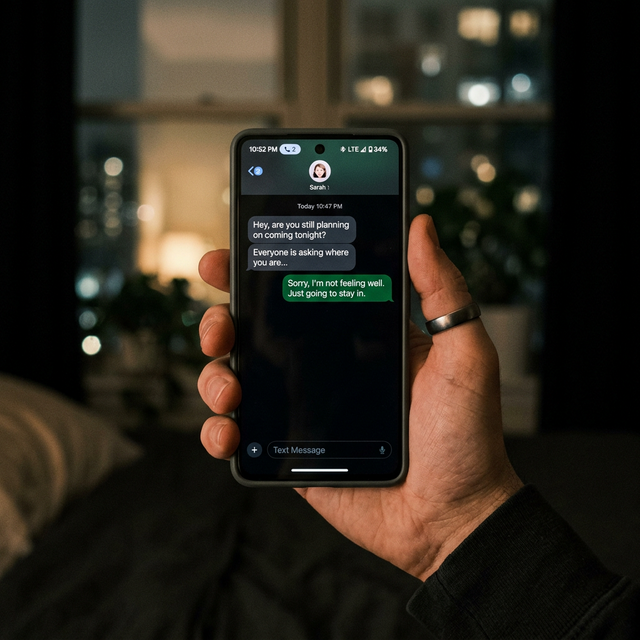
The dinner table is silent, not with peace, but with the glow of a smartphone screen. It's well past bedtime, but you can hear the unmistakable sounds of a video game from your child's room. You've asked, you've reminded, you've set rules, but in the moment, it feels like your words are no match for the digital pull. As a family technology consultant with ten years of experience, I've witnessed this scene in countless homes. The question I'm most frequently asked is no longer about monitoring, but about immediate action: "Is there a way to turn off my child's phone remotely?"
The answer is a definitive yes. This guide is your practical resource for achieving that level of control. We will navigate the nuanced difference between truly turning off a phone and the more practical—and powerful—act of remotely locking it. You will learn how to use the free tools built into your child's device and when it's time to upgrade to a dedicated parental control application for unparalleled command. My goal is to provide you with the knowledge and tools to enforce digital boundaries effectively, fostering healthier habits and restoring peace to your home.
Understanding Remote Control: "Turn Off" vs. "Remote Lock"
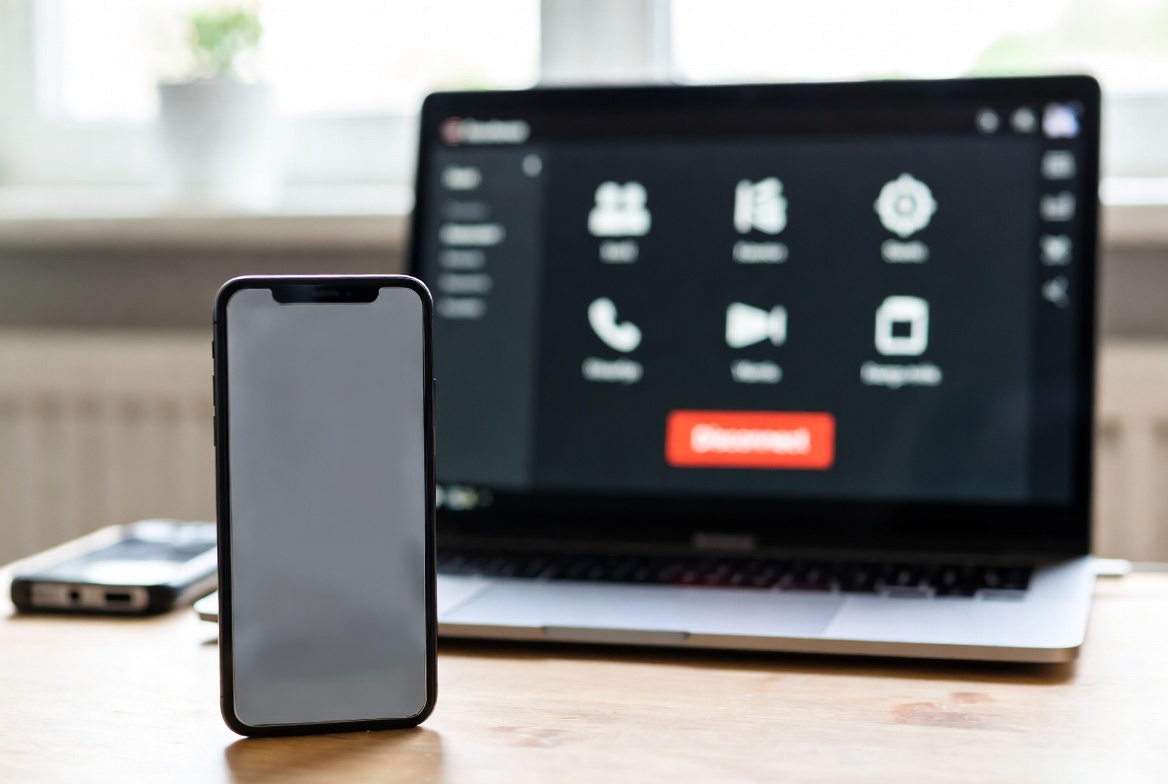
First, it's important to clarify a key technical point. Truly powering down a phone—making it completely shut off—remotely is not typically possible for security reasons. However, the functional equivalent, which is often what parents truly need, is a remote lock. This feature instantly makes the phone unusable, turning the screen black and preventing any interaction, except for emergency calls. When you need to turn off your child's phone remotely for all practical purposes, a remote lock is the powerful and immediate solution we will focus on.
Your First Line of Defense: Built-in Operating System Tools
Before investing in third-party software, it's crucial to master the controls that are already available on your child's device. Both Android and iOS have developed robust systems for parental management.
For Android Phones: Google Family Link
Google's Family Link is the native solution for managing Android devices. It provides a solid foundation for setting digital ground rules.
How to "Lock" the Device (Functionally Turning It Off):
Download the Google Family Link app on your phone and link it to your child's Android device.
On your parent device, open the Family Link app, select your child, and then their device.
You will see a prominent Lock button. Tapping this will immediately lock your child's screen.
The device will display a message that it has been locked by the parent and cannot be used until you unlock it from your app.
Additional Features:
Bedtime Schedules: You can set a schedule (e.g., 9 PM to 7 AM) where the phone is automatically locked.
Daily Timers: Set a hard time limit for overall use. Once the limit is reached, the phone locks for the day.
For iPhones: Apple's Screen Time
For families in the Apple ecosystem, Screen Time used with Family Sharing offers similar control, though its "remote" functionality works through your own iOS device.
How to Manage Access Remotely:
On your iPhone, set up Family Sharing and add your child's Apple ID.
Go to Settings > Screen Time, and select your child's name under the Family section.
Configure Downtime to schedule periods where only allowed apps and phone calls are permitted. This effectively "turns off" access to games and social media.
Use App Limits to set daily time allowances for specific app categories.
While you cannot instantly lock an iPhone from your own device with a single button press like with Family Link, you can manage these settings remotely, which achieves the same goal of enforced, scheduled downtime.
The Limitations of Native Tools and the Case for Advanced Solutions
Built-in tools are a great start, but they have significant limitations. They often lack granular control, can be bypassed by determined teens, and may not block access to websites through browsers. The most notable gap is the lack of a true, one-tap remote lock for iPhones from a parent's device. If you find yourself needing more power, stricter enforcement, or real-time intervention regardless of your child's phone type, a dedicated parental control app is the necessary next step.
In-Depth Review: Top Apps for Instant Remote Control
These third-party applications are engineered specifically to provide comprehensive, tamper-resistant oversight and the ability to intervene instantly.
1. mSpy: For Maximum Oversight and Authority
mSpy is a powerhouse in the parental control space, known for its extensive and powerful feature set. It is designed for parents who require the highest level of insight and the ability to manage every aspect of their child's device usage from a single, web-based dashboard.

Key Features for Remote Control:
One-Click Remote Lock: Instantly lock the target device (Android or iOS) with a single click from your control panel. This is the most direct way to turn off your child's phone remotely for all practical purposes.
App-Specific Blocking: Remotely block individual applications like games or social media without affecting the entire phone.
Custom Schedules: Create detailed, recurring schedules for locking the device or specific apps.
Website Filtering: Block access to inappropriate websites across all browsers, closing a major loophole left by native tools.
GPS Location & Geofencing: Receive real-time alerts and even set the device to lock automatically based on your child's location (e.g., when they arrive at school).
Best For: Parents who need comprehensive monitoring and the most robust remote control capabilities, especially for older, more tech-savvy children.
How to Get Started with mSpy:
For the ultimate level of oversight and instant locking power, mSpy is the industry leader.
TRY NOW
2. Scannero: Innovative Location-Based Control
Scannero offers a unique approach by integrating powerful location-based features with its remote control functions. This is ideal for parents who want the phone to manage itself automatically based on where their child is.
Key Features for Remote Control:
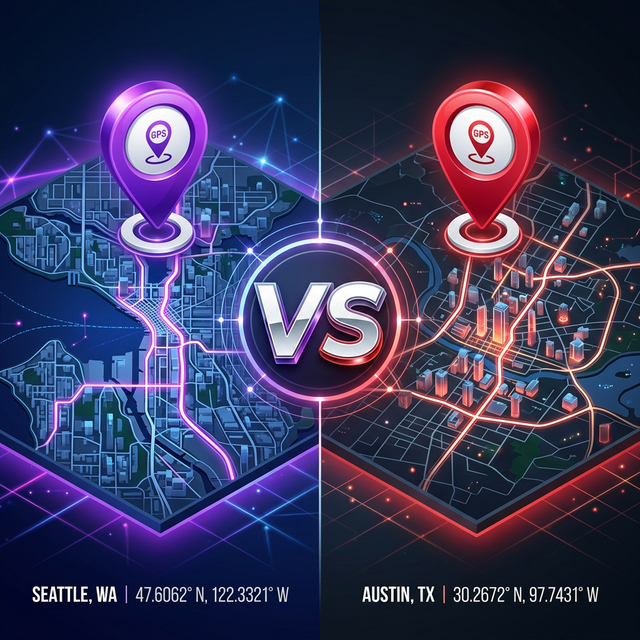
Geofencing: Draw a virtual boundary on a map (e.g., around a school) and set the phone to lock automatically when your child enters the zone.
Remote Lock Button: Manually lock the device from your own phone with one tap, providing immediate control when needed.
Number Lookup & Safety Alerts: Includes tools for identifying unknown callers and a panic alert feature for emergencies.
User-Friendly Interface: The app is designed for simplicity, making it easy to set up and use.
Best For: Parents who want smart automation based on location and a straightforward tool for manual remote locking.
How to Get Started with Scannero:
For intelligent, location-aware control, Scannero offers a unique and effective solution.
BUY NOW
3. Moniterro: All-in-One Insights and Management
Moniterro positions itself as a complete digital wellness suite, offering both powerful remote control and deep analytics into your child's digital habits. It helps you make informed decisions while retaining the power to act instantly.
Key Features for Remote Control:
Remote Device Locker: Instantly lock the phone from your secure online dashboard, effectively turning it off.
Screen Time Management & Reports: Set limits and view detailed breakdowns of app usage to understand your child's habits.
App and Web Blocker: Control which apps and websites can be accessed and when.
Social Media Monitoring: Keep tabs on interactions across popular platforms (use this feature ethically and with your child's knowledge).
Best For: Data-driven parents who want to combine the immediate power to turn off a child's phone remotely with a deep understanding of their digital behavior to guide conversations.
How to Get Started with Moniterro:
For comprehensive insights and robust control, Moniterro is an excellent all-in-one choice.
TRY NOW
Fostering Trust: Balancing Control with Communication
Technology is a powerful ally, but it should complement, not replace, open communication. The most effective digital parenting strategy combines these tools with ongoing conversations. Explain to your child why these controls are in place—frame it as a matter of health, safety, and learning responsibility. The ultimate goal is not to create a police state, but to guide them toward developing their own self-regulation skills, using these tools as a supportive framework.
Conclusion
You now have a clear path to managing your child's phone usage with immediate effect. You can start with the accessible, free control of Google Family Link or Apple Screen Time, or you can upgrade to the advanced, feature-rich capabilities of mSpy, Scannero, or Moniterro. The ability to turn off your child's phone remotely—in the practical, functional sense—is within your reach, offering peace of mind and a concrete way to enforce healthy digital boundaries.
Don't let screen time be a source of daily conflict. Choose the solution that best fits your family's needs and implement it today. Your child's well-being and your family's harmony are worth the investment.
Frequently Asked Questions (FAQs)
1. Can my child tell when I use an app to lock their phone?
With Google Family Link, a clear message appears on the screen. With third-party apps like mSpy and Moniterro, you can often configure them to operate discreetly. The screen may simply go black or display a generic lock message, without explicitly naming the app. Always check the specific stealth features of your chosen application.
2. Is it possible for a child to uninstall these apps without my permission?
Robust parental control apps are designed to be tamper-resistant. On Android, they are typically installed as a "device administrator," which prevents simple uninstallation. On iOS, they use a configuration profile that requires a password to remove. A child cannot easily delete them without your authorization credentials.
3. Can I set the phone to turn off automatically at a certain time?
Yes, this is a core feature of all the solutions discussed. Both built-in tools (via Downtime/Bedtime schedules) and third-party apps (via custom scheduling) allow you to set automatic lock times. This is perfect for enforcing daily digital curfews for homework, meals, and sleep.