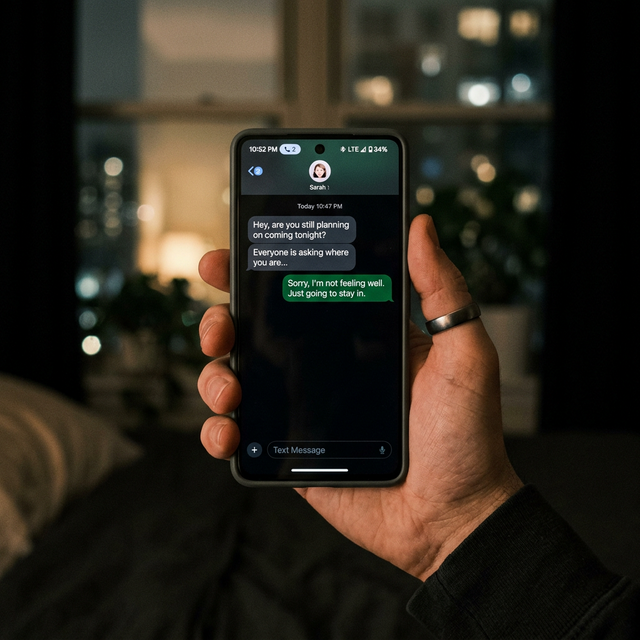
A teenager may need maps, school authentication, team messages, and a way to call home after practice. The same phone can also bring late-night scrolling, unwanted contacts, and purchases that are hard to undo. Choosing safe phones for teens therefore means balancing access with controls the family can explain and maintain.
This guide compares managed child phones, restricted smartphones, and standard phones with built-in tools. It focuses on the buying decisions that affect daily life: required apps, emergency access, privacy, cost, carrier coverage, and a realistic path toward independence.

Affiliate disclosure: This article contains sponsored affiliate links. Ultimate Phone Spy may earn a commission if you buy through one, at no extra cost to you. Check current device compatibility, plan details, and legal requirements.
1. Quick answer: there is no single safest phone
The safest practical choice is the device that supports the teen's real responsibilities with the fewest unnecessary risks. For one family, that may be a managed phone with approved apps. For another, it may be an iPhone configured through Family Sharing or an Android phone supervised with Family Link.
Start with a written needs list:
- Calls, group texts, and emergency contacts.
- Maps, transit, and pickup coordination.
- School portals and authentication apps.
- Accessibility or medical tools.
- Camera and document scanning for assignments.
- Music, sports, or approved social apps.
- Location sharing during agreed journeys.
If a phone cannot run a required school or health app, the family will soon be pressured to bypass its restrictions. If it includes an unrestricted browser and app store before the teen is ready, setup becomes harder than necessary.
2. Compare managed phones and standard smartphones
Managed products such as Gabb Phone and Bark Phone place parent controls at the center of the service. Gabb's current approach emphasizes no open browser or social media and a curated app system. Bark offers a path from talk and text to approved apps with monitoring features on applicable plans.
A standard iPhone or Android phone offers a wider device and carrier choice. Apple Screen Time can manage app limits, downtime, purchases, web content, and communication through Family Sharing. Google Family Link can supervise a compatible child's account, approve apps, and apply time limits.
The tradeoff is maintenance. Built-in settings can change after operating-system updates, account changes, or a new device. Parents must protect their passcodes, check supervision, and retest the important rules. Our first-phone setup guide provides a step-by-step baseline.
3. Check hardware, coverage, and emergency access
Discussions about safe phones for teens often focus only on apps. Hardware and network reliability matter just as much. A teen who walks home or attends evening activities needs a phone that has coverage along that route and enough battery for the full day.
Check:
- Current 4G or 5G carrier compatibility.
- Battery performance under maps, calls, camera, and location use.
- Case and screen-protector availability.
- Water resistance and replacement cost.
- Emergency calling and medical ID access.
- A loud ringtone and usable screen.
- Device-finding tools if it is lost.
Practice an emergency call without unlocking the phone. Add caregivers and medical details where appropriate. Do not block maps, calling, school tools, or authenticators when applying a general downtime rule.
4. Configure the account before handing over the phone
Create the teen's account with the correct age and connect it to the family-management system. Do not give the child an adult account merely to make setup faster; that can remove age-appropriate protections and make supervision harder to repair.
For iPhone, review Family Sharing, Ask to Buy, Screen Time, Content & Privacy Restrictions, Communication Safety, and location sharing. Use a Screen Time passcode the teen does not know and keep account recovery current.
For Android, review Family Link, Play Store approvals, Chrome or web filters, app limits, location, and device permissions. Android settings vary by manufacturer, especially battery and background controls.
Test the setup with the teen present. Try an app installation, a purchase, a blocked site, a group message, and the school login. Explain what the parent can see. Secret rules create confusion and may be unlawful in some situations.
5. Compare monitoring depth with family trust
The right level of supervision changes with maturity and risk. A younger teen may need app approval and bedtime limits. An older teen who travels independently may need location sharing during specific journeys but more privacy in ordinary conversations.
Use the least intrusive control that addresses a clear concern. Set a review date and name the behavior that can lead to more independence. The teen phone contract template helps families define charging, purchases, respectful use, privacy, and consequences.
When comparing safe phones for teens, ask whether a feature improves a family decision. If nobody uses a detailed report, collecting it adds privacy risk without adding safety. If a simple arrival alert prevents repeated calls, it may be worth keeping.
6. Compare paid monitoring and security options
Built-in controls should be the starting point. If they leave a verified gap on a family-owned or authorized device, compare paid tools by device support and setup requirements.
mSpy: detailed family monitoring on compatible devices
mSpy advertises GPS, geofencing, browsing information, app controls, and supported communication monitoring. Availability differs between Android and iPhone and may depend on physical access and account settings.
- Confirm the exact phone and operating-system version.
- Check which functions are included in the selected plan.
- Review installation, privacy, renewal, and cancellation terms.
Eyezy: alerts with location and activity tools
Eyezy presents location, web activity, app controls, and configurable alerts for supported devices. It may suit parents who prefer notifications about possible concerns to constant dashboard review.
- Compare platform-specific features.
- Test alert sensitivity and false positives.
- Confirm data-retention and support terms.
SPHNIX: authorized investigation of a compromised device
SPHNIX is a cybersecurity-services marketplace, not a parental-control product. Use it only when the owner authorizes a scoped assessment, incident response, or forensic review. Require a written scope, clear deliverables, and lawful data handling.
Browse authorized SPHNIX services
7. Use a first-month rollout plan
Do not activate every control on the first night. A staged setup reveals which rules work and which interfere with school or family routines.
Before day one
- Add trusted contacts and medical details.
- Configure backups and device finding.
- Approve school, maps, transport, and authenticator apps.
- Agree on charging and bedtime locations.
- Practice a lost-phone and emergency-call scenario.
After one week
- Review blocked legitimate content.
- Check whether location alerts arrive reliably.
- Look at battery use and mobile-data consumption.
- Remove noisy notifications that do not lead to action.
After one month
- Discuss what the teen handled well.
- Adjust restrictions based on evidence.
- Review purchases, privacy, and account security.
- Set the next family review date.
The goal is not permanent maximum restriction. It is a controlled handoff of responsibility.
Conclusion: choose a system the family can maintain
Good safe phones for teens support school, travel, and communication while limiting access the teen is not ready to manage. A managed phone offers simpler boundaries. A standard iPhone or Android device offers greater flexibility but needs careful setup and regular checks.
Choose for the next year, not for every possible future need. Confirm coverage and required apps, configure the account correctly, use proportionate controls, and give the teen a clear path toward more privacy.
Frequently asked questions
1. Is an iPhone or Android phone safer for a teenager?
Both can be configured responsibly. The better choice depends on family devices, required apps, parent familiarity, update support, and the controls needed.
2. Should a parent read a teenager's messages?
Use the least intrusive measure that addresses a defined safety concern. Be transparent, consider the teen's age and circumstances, and follow local law.
3. Can a managed teen phone use school apps?
Some support parent-approved or curated apps, but availability varies. Make a list of required school tools and verify each one before purchasing.
4. What phone features should always remain available?
Emergency calling, trusted contacts, maps, school tools, medical apps, and authenticators should remain accessible whenever the platform permits.
5. How often should parental controls be reviewed?
Review after major device or school changes and at agreed intervals, such as monthly at first and then each school term. Reduce restrictions as responsibility grows.