You pick up your phone to check the time, and an hour later, you're still scrolling. The short-form videos, the endless stream of content, the algorithmic pull—it’s a cycle that disrupts productivity, fragments attention, and consumes precious time. This isn't a personal failing; it's by design. As a digital wellness consultant with ten years of experience helping people rebuild their relationship with technology, I've identified blocking TikTok on iPhone as one of the most effective single actions for reclaiming control.
This guide is your definitive resource. We will move beyond simple tips and explore a strategic approach to creating a distraction-free digital environment. You will first learn to leverage the powerful, free tools Apple provides. Then, we will address the limitations of these native options and introduce specialized applications that offer a robust, tamper-proof defense. Whether your goal is to enhance your own productivity or protect your child's screen time, this article provides the clear, actionable steps you need to succeed in blocking TikTok on iPhone for good.
Understanding the Impact: Why Blocking TikTok is Necessary
The decision to block TikTok is not an overreaction; it's a data-informed strategy for well-being. Studies have linked excessive use of short-form video platforms to decreased attention spans, increased procrastination, and disrupted sleep patterns. The platform's core design—a perpetual, algorithmically-curated feed—makes disengaging a conscious battle of willpower. The process of blocking TikTok on iPhone is a commitment to:
Regaining Lost Time: The average user spends over 90 minutes per day on the app. Blocking it unlocks hours each week for meaningful activities.
Improving Cognitive Focus: Eliminating a primary source of micro-distractions allows for deeper, more sustained concentration on work and hobbies.
Protecting Mental Space: Reducing exposure to curated perfection and comparison culture can significantly benefit your mental health.
Establishing Digital Boundaries: For parents, it’s a concrete method to enforce family screen time rules and protect a child's developmental time.
Your Built-in Solution: A Deep Dive into Apple's Screen Time
The most accessible tool for blocking TikTok on iPhone is already installed on your device. Apple's Screen Time is a sophisticated system that, when configured correctly, provides a strong foundation for digital discipline.
Step-by-Step Guide to Using App Limits
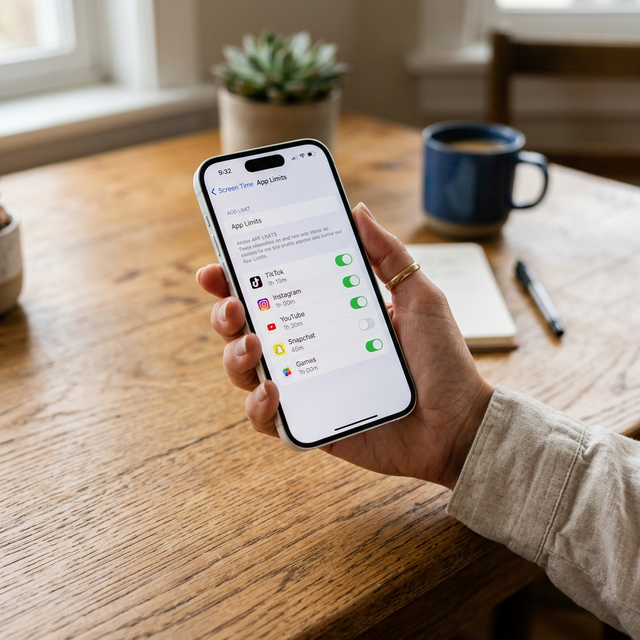
The core feature for this task is "App Limits," which allows you to set a strict daily time allowance for specific apps.
Open the Settings app on your iPhone.
Navigate to and select Screen Time.
If you haven't already, tap "Turn On Screen Time."
Tap App Limits, then select Add Limit.
You will see a list of app categories. Tap the arrow next to Social to expand the list, or use the search bar at the top.
Find and select TikTok by tapping the checkmark. For a broader approach, you can select the entire "Social" category.
Tap Next in the top right corner.
Set the daily time limit. For a complete block, set this to 1 minute. This will trigger the time's up screen almost immediately.
Tap Add to activate the limit.
Once the limit is reached, the TikTok icon will become grayed out. Tapping it will display a "Time's Up" screen, creating a critical moment of friction that disrupts the autopilot impulse to scroll.
The Essential Security Layer: The Screen Time Passcode
A limit without a lock is merely a suggestion. To prevent the block from being easily overridden, you must set a Screen Time Passcode. This is a separate code from your device's unlock passcode.
To set it up:
Go to Settings > Screen Time.
Scroll down and tap Use Screen Time Passcode.
Enter a secure four-digit code. For personal use, consider having a friend set it. For a child's device, ensure it is a code they cannot guess.
Re-enter the passcode to confirm.
This single step transforms Screen Time from a gentle reminder into an enforceable boundary.
Apple's Screen Time is a good start, but tech-savvy teens can easily bypass its restrictions.
Block TikTok for Good
Screen Time not enough? Use a professional-grade app blocker that teens can't bypass — monitor and restrict any app remotely.
Block TikTok PermanentlyRecognizing the Limits of Native Tools
While Screen Time is an excellent starting point, it has significant vulnerabilities. The most notable is that it only blocks the TikTok app. It does not prevent access to TikTok through mobile web browsers like Safari, leaving a major loophole. Furthermore, the "Ignore Limit" option is just one passcode away, which can be too tempting for a moment of weak willpower. When you need a more comprehensive and secure solution, third-party applications are the answer.
Advanced Strategies: Third-Party Apps for Unbreakable Blocks
Dedicated apps are engineered specifically for control and oversight. They provide a level of customization and security that built-in tools cannot match, making the process of blocking TikTok on iPhone significantly more effective.
1. mSpy: For Maximum Oversight and Control
mSpy is a powerhouse in the monitoring and control space, known for its extensive and powerful feature set. It is designed for users who require a disciplined, non-negotiable solution.

Key Features for Blocking TikTok:
Remote App Blocking: Instantly block the TikTok app on the target iPhone from a web-based control panel.
Website Filtering: Block access to the TikTok website through all mobile browsers, closing the critical Safari loophole.
Schedule-Based Blocking: Create detailed schedules for when TikTok is automatically blocked (e.g., during work or school hours).
Stealth Mode: Operates discreetly, removing the visual temptation to tamper with settings.
Best For: Individuals and parents who need the highest level of control and detailed monitoring capabilities.
How to Get Started with mSpy:
For comprehensive oversight and powerful blocking, mSpy is an industry leader.
TRY NOW
2. Eyezy: The All-in-One Digital Wellness Suite
Eyezy blends powerful blocking features with deep analytics into device usage habits. It’s designed for the user who wants both immediate action and the data to understand long-term patterns.
Key Features for Blocking TikTok:
App Blocker & Scheduler: Precisely control when TikTok can be used and set hard time limits.
Screen Time Management: View detailed reports on phone usage to identify your biggest distractions.
Web Filtering: Block access to distracting websites across all browsers.
Social Media Insights: Monitor activity and usage patterns across various platforms.
Best For: Data-driven users who want to combine blocking power with detailed insights to foster better habits.
How to Get Started with Eyezy:
For a blend of powerful control and in-depth analytics, Eyezy provides a complete solution.
BUY NOW
3. Spynger: Streamlined and Effective Management
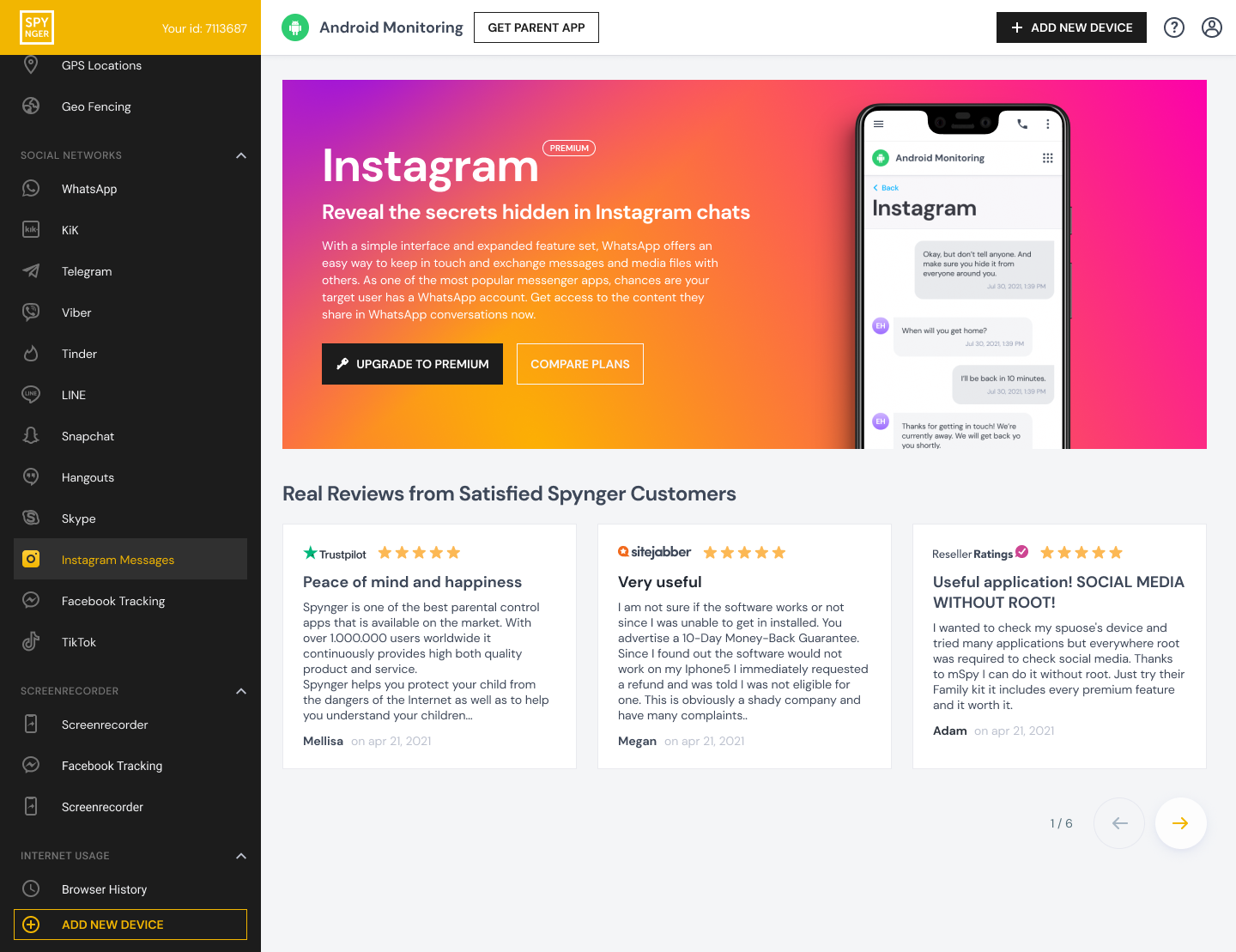
Spynger provides a robust set of monitoring and blocking features with a focus on user-friendliness and effectiveness. It offers the essential tools needed for managing TikTok without unnecessary complexity.
Key Features for Blocking TikTok:
App Blocker: Easily select and block the TikTok app directly from a simple dashboard.
Screen Time Management: Set daily limits and monitor overall device usage.
Web Filtering: Block inappropriate or distracting websites to complement app restrictions.
Location Tracking: Keep tabs on the device's location for added context.
Best For: Users who want a straightforward, effective tool to manage app usage with a strong emphasis on blocking.
How to Get Started with Spynger:
For a user-friendly yet powerful blocking tool, Spynger is an excellent option.
TRY NOW

Blocking TikTok is just the start — building real focus habits makes the change lasting.
Reclaim Their Focus
Set screen time limits, block distracting apps, and track usage — all from your own phone.
Take Control Now →Building a Sustainable, Focus-Centric Lifestyle
Knowing the technical steps for blocking TikTok on iPhone is only half the battle. Sustainable change comes from building healthier habits around the space you create. Start by blocking the app during your most productive hours. Use that uninterrupted time to complete a important project or engage in a deep work session.
Pair your technical blocks with environmental changes. Charge your phone outside the bedroom, turn off non-essential notifications, and consciously fill the reclaimed time with activities that add value to your life, such as reading, learning a new skill, or connecting with loved ones.
Conclusion
The constant pull of TikTok is a powerful force, but it is not an invincible one. You now have a clear and proven path to regaining control. You can start with the structured, scheduled approach of Apple's Screen Time, or you can implement the advanced, robust defenses of mSpy, Eyezy, or Spynger.
Your time and attention are your most valuable resources. Don't let another day be fragmented by endless scrolling. Choose the method that best fits your needs and implement it now. The first step toward a more focused and intentional life is just a few settings away.
Frequently Asked Questions (FAQs)
1. Is it better to just delete the TikTok app?
Deleting the app is a definitive solution, but it's an all-or-nothing approach. Using Screen Time or a third-party app to block TikTok allows for more flexible, controlled access. For instance, you might allow 30 minutes of use in the evening, which can be a more sustainable and less restrictive method for many users.
2. Do these methods also block TikTok on web browsers like Safari?
Apple's native Screen Time does not block specific websites. This is a key advantage of third-party apps like mSpy, Eyezy, and Spynger. They include website filtering features that allow you to block TikTok.com on Safari and other browsers, effectively closing a significant loophole.
3. Can a determined user bypass these blocks?
With Apple's Screen Time, if the user knows the Screen Time passcode, they can bypass App Limits. This is why using a secure, unknown passcode is critical. Third-party apps provide a higher level of security. They use configuration profiles that are difficult to remove without a password and often have stealth features, making them a much more tamper-resistant solution.