Losing a mobile phone creates immediate panic for anyone in Nigeria. That sinking feeling when you reach into your pocket and find it empty represents more than just financial loss—it's the potential violation of your personal data, precious memories stored in photos, and disruption to your daily communications. While this situation feels overwhelming, understanding how to use your phone's unique IMEI number provides a crucial tool in your recovery efforts.
As an expert with ten years of experience in mobile security and recovery, I will provide comprehensive guidance on IMEI tracking, its realistic limitations, and effective alternative methods tailored specifically for Nigerians. This definitive guide delivers actionable strategies to locate your device while implementing preventive measures to secure your future mobile investments.
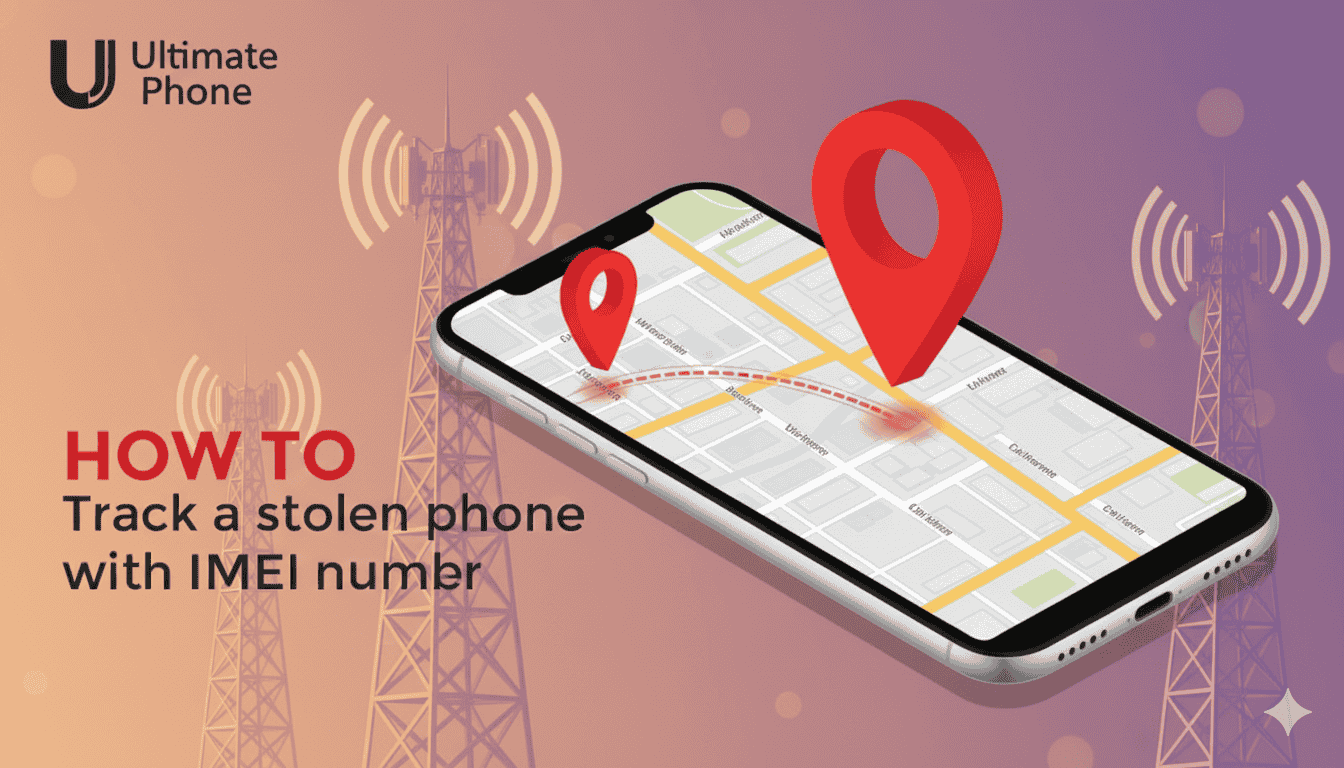
What Exactly Is an IMEI Number and How Does It Work?
The International Mobile Equipment Identity (IMEI)serves as a unique fingerprint for your mobile device. This 15-digit code exclusively identifies your phone on any mobile network worldwide, distinguishing it from all other devices. Think of it as your phone's permanent digital passport—unchangeable and specific to that single unit. Mobile network providers and authorities use this identifier to confirm device ownership, prevent fraud, and in specific circumstances, help track missing phones.
Unlike SIM cards that can be swapped when a phone is stolen, the IMEI remains constant regardless of SIM changes, making it particularly valuable for tracking stolen devices that have had their SIM cards immediately removed by thieves.
How to Locate Your Phone's IMEI Number
You have multiple methods to find your IMEI number. Proactively locating and storing this information before your phone goes missing significantly improves your recovery chances:
Dialing code: Enter
*#06#on your phone's dial pad, and the IMEI will instantly display on your screen. For dual-SIM phones, you will see two IMEI numbers—record both.Settings menu: Navigate to "Settings" > "About phone" > "Status" where your IMEI information is listed.
Physical inspection: Check the original packaging box or look for a sticker on the back panel of your device. Some phones have it printed beneath the battery compartment (if removable) or on the SIM card tray.
Google Account: For Android users, your IMEI is stored in your Google Account. Visit the Google Control Page, select the appropriate device from the linked devices list, and click the information icon to view your IMEI even without physical access to your phone.

Losing your phone can feel overwhelming — but your IMEI number is the key to recovery.
Never Lose Track Again
Track your phone's real-time location, lock it remotely, and wipe data instantly if it falls into the wrong hands.
Track Your Device NowThe Reality of IMEI Tracking in Nigeria: Understanding Limitations
While the concept of IMEI tracking sounds promising, understanding its practical implementation and limitations within Nigeria is crucial for setting realistic expectations.
Legal and Administrative Constraints
In Nigeria,direct IMEI tracking by individuals faces significant legal and administrative hurdles. Phone operators maintain the technical capability to track devices using IMEI numbers through cell tower triangulation, where the position of a device is estimated by measuring its signal strength from multiple cell towers. However, due to privacy regulations and security protocols, telecommunications companies typically restrict this capability to law enforcement agencies.
When you contact your mobile network provider (such as MTN, Glo, Airtel, or 9mobile) to report a stolen phone with your IMEI, they canblock the devicefrom accessing their network, rendering it unusable for calls or data in Nigeria. This discourages theft but doesn't actively locate your device.
Online IMEI Tracking Services: Proceed with Caution
Many online platforms promise to track phones using just an IMEI number. While some provide basic information like device model and blacklist status, their ability to provide real-time location tracking is extremely limited. These services cannot access live cell tower data, which remains tightly controlled by mobile operators.
Exercise significant caution with services requesting payment for IMEI tracking, as many are ineffective or potentially fraudulent.
The Central Equipment Identity Register (CEIR), a project by the Department of Telecommunications available in some countries, is not currently operational in Nigeria, limiting official channels for IMEI-based recovery.
Immediate Steps to Take When Your Phone Goes Missing in Nigeria
Time is critical when your phone disappears. Follow this structured action plan immediately:
Use built-in tracking services immediately: Before considering IMEI options, access Google Find My Device(for Android) or iCloud Find My iPhone(for iOS) from another device or computer. These services can show your phone's current location on a map, play a sound, lock the device, or remotely erase data. For Samsung users, Find My Mobile and SmartThings Find offer similar functionality, with the latter using Bluetooth and Ultra-Wideband technologies for precise location tracking.
Contact your network provider: Reach out to your mobile operator (MTN, Airtel, Glo, or 9mobile) to report the theft and provide your IMEI number. They will blacklist the device, preventing it from working on Nigerian networks.
File a police report: Visit the nearest police station with your device purchase receipt and IMEI number. Law enforcement agencies have formal channels to request location data from telecommunications companies when investigating theft cases.
Monitor online marketplaces: Check platforms like Jiji, Facebook Marketplace, and Instagram for listings of your device. Thieves often attempt to sell stolen phones quickly through these channels.
Alternative Tracking Methods When IMEI Options Are Limited
Since IMEI tracking directly by individuals faces limitations in Nigeria, these alternative methods often prove more effective:
Built-in Tracking Services
Google Find My Device: This free service comes pre-installed on most Android devices. To function, it requires prior activation and that your phone is connected to the internet. It shows your device's location on a map, allows you to ring it at maximum volume (even if on silent), lock it with a custom message, or completely erase its data.
Samsung Tracking Services: Samsung offers two robust tracking solutions for its devices.Find My Mobile allows location tracking, remote locking, and data wiping, while SmartThings Find uses Bluetooth and Ultra-Wideband (UWB) technologies to locate devices with greater precision, even when offline.
Apple Find My iPhone: For iPhone users, this service provides similar functionality through iCloud, showing your device's location and enabling remote locking or wiping.
Third-Party Tracking Applications
Several dedicated tracking applications offer enhanced features beyond built-in options:
mSpy: This comprehensive monitoring solution goes beyond basic tracking to include real-time location tracking, social media monitoring, and keylogger functionality. It operates in stealth mode, remaining undetectable on the target device, and works across both iOS and Android platforms.

Where's My Droid: Designed specifically for Android devices, this application can make your phone ring at full volume even when on silent, track its GPS location, alert you about SIM card changes, and provide battery level notifications.
Tile and Bluetooth Trackers: Physical Bluetooth trackers like Tile Pro and Samsung Galaxy SmartTag 2 can help locate misplaced phones by establishing a Bluetooth connection and triggering an alarm on your device. These are particularly effective for finding phones that are nearby but misplaced rather than stolen.
Comparison of Tracking Methods Available in Nigeria
Method | How It Works | Effectiveness | Key Requirements |
|---|---|---|---|
IMEI Blocking | Network provider blacklists device | Prevents reuse but doesn't locate | IMEI number, police report |
Google Find My Device | GPS and internet location tracking | High with internet connection | Android, pre-enabled, internet access |
Samsung Tracking | GPS, Bluetooth, and UWB technologies | High, works partially offline | Samsung account, pre-setup |
mSpy & Third-Party Apps | Advanced monitoring and stealth tracking | Varies by app | App pre-installed, subscription |
Bluetooth Trackers | Proximity connection to paired devices | Limited to nearby locations | Paired device, Bluetooth active |
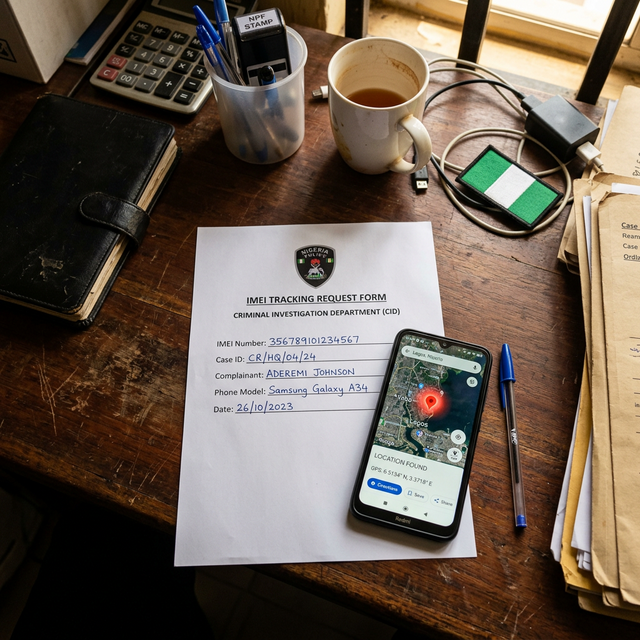
Filing a report with your IMEI number dramatically increases your chances of recovery.
Protect Your Phone Before It's Too Late
Don't wait until your phone is lost. Install a tracking solution now and always know where your device is — even if it's stolen.
Get Protected Now →Proactive Measures: Secure Your Phone Before It's Lost
Prevention significantly outweighs the challenge of recovery. Implement these essential protective measures now:
Record your IMEI immediately: Use one of the methods mentioned earlier to locate and securely store your IMEI number in multiple places—email it to yourself, save it in cloud storage, and keep a physical copy.
Enable built-in tracking services: Activate Google Find My Device, Samsung's tracking services, or Apple Find My iPhone immediately. Verify they are functioning correctly through test runs.
Maintain internet connectivity: Ensure your phone usually connects to Wi-Fi or mobile data, as most tracking services require an active internet connection to transmit location information.
Use secure authentication: Implement biometric security (fingerprint or facial recognition) alongside a strong passcode rather than simple pattern locks, which are easier to bypass.
Install reputable security applications: Consider trusted security apps that offer additional anti-theft features like automated photo capture after failed unlock attempts.
Regularly back up your data: Use cloud services or external storage to ensure your precious data remains accessible even if your device is irretrievable.
Conclusion: Act Now to Protect Your Mobile Investment
While the IMEI number provides an essential tool for blocking stolen phones in Nigeria, its direct tracking capabilities for individuals remain limited due to legal and technical constraints. The most effective recovery strategy combines immediate action using built-in tracking services, cooperation with network providers and law enforcement, and implementation of preventive security measures.
Your first step should be enabling and testing built-in tracking solutions like Google Find My Device or Samsung's tracking services. For comprehensive protection, consider supplementing with third-party applications like mSpy for advanced features, particularly if you handle sensitive information or operate in high-risk environments.
Don't wait until you experience the distress of a missing phone—record your IMEI number today, activate tracking services, and implement the protective measures outlined in this guide. Share this knowledge with friends and family to strengthen collective security against phone theft in Nigeria.
Frequently Asked Questions
Can I track my phone with IMEI number without internet connection?
IMEI tracking theoretically utilizes cell tower triangulation rather than internet connectivity. However, in practical terms within Nigeria, individuals cannot directly access this tracking method. You must work through law enforcement and mobile operators, who have the technical capability to approximate a phone's location via cell tower connections even without internet access.
How effective is IMEI tracking in Nigeria compared to other methods?
IMEI tracking's primary effectiveness in Nigeria lies in blocking stolen devices from network access rather than active location tracking. Built-in services like Google Find My Device and Samsung's tracking solutions typically deliver superior results for actual device recovery because they utilize GPS and internet connectivity, providing real-time location data directly accessible to you without intermediary requirements.
What should I do if I didn't record my IMEI number before losing my phone?
Without your IMEI, immediately focus on alternative recovery methods. Access Google Find My Device or iCloud Find My iPhone if you previously enabled these services. Contact your network provider—they may have your IMEI on record if you registered your SIM with identification. Check purchase documentation or credit card statements that might contain your IMEI. For future protection, record your IMEI now using one of the methods outlined in this guide and store it securely in multiple locations